
Materials for Modern Tracks
Imagine standing on a train platform while a massive locomotive rushes past you at high speed. You might notice the rhythmic clicking sound as the wheels hit the joints between the heavy steel rails. Engineers work hard to ensure these tracks remain stable under the weight of thousands of tons of cargo. This challenge requires specific materials that can withstand extreme pressure without breaking or bending out of shape. Choosing the right metal is the first step in building a safe and reliable railway network.
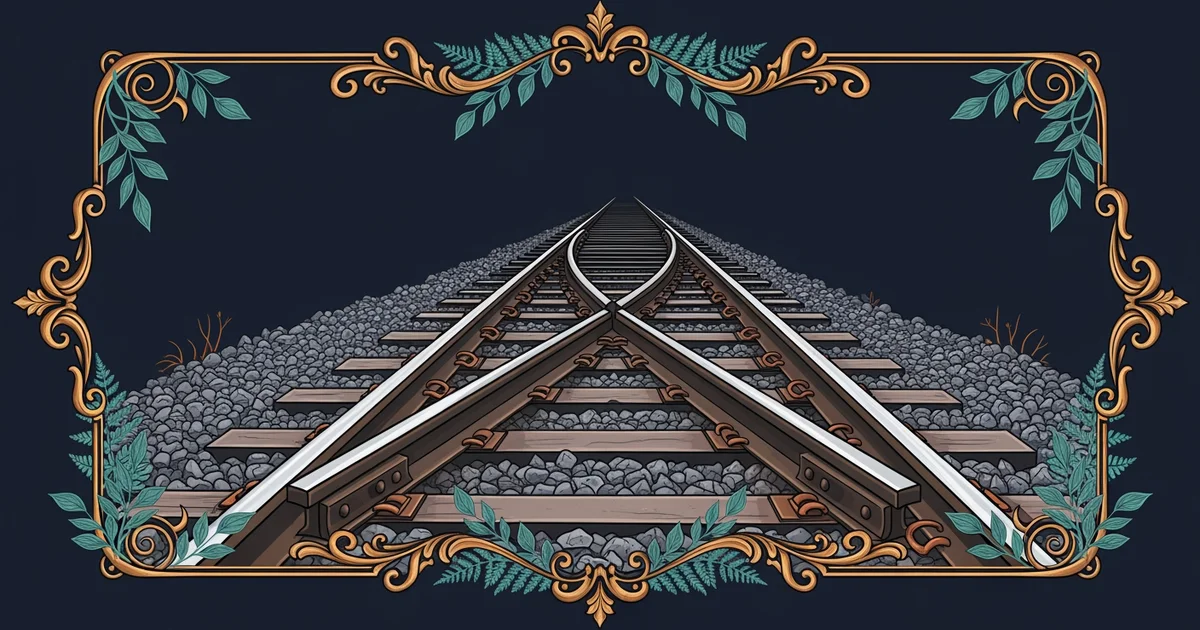
The Metallurgy of Modern Rails
Because rails must support heavy loads, engineers prioritize durability and resistance to wear above all other traits. Most tracks consist of carbon steel, which provides a perfect balance between hardness and flexibility for long-term use. If the steel were too brittle, it would crack under the immense weight of passing freight cars. If the metal were too soft, it would deform quickly and require constant replacement by maintenance crews. Think of this balance like choosing the right tires for a car; you need enough grip for safety, but you also need enough durability to last through many miles of travel.
Key term: Carbon steel — a metal alloy containing iron and carbon that provides the high strength and wear resistance needed for railway tracks.
To improve performance, manufacturers often add small amounts of other elements to the molten mixture before casting the tracks. These additions help the steel resist rust and prevent the surface from wearing down when train wheels grind against the top of the rail. By carefully controlling the cooling process, engineers create a grain structure that resists cracks under stress. This careful manufacturing ensures that the tracks remain straight and smooth, even when subjected to changing temperatures throughout the year.
Comparing Material Properties
When building new lines, engineers compare different metal alloys to see which will perform best in specific environments. Some regions experience freezing winters, while others face intense summer heat that can make metal expand. The following table shows how different material choices impact the overall stability of a railway system under various operational conditions.
| Material Type | Strength Level | Heat Resistance | Cost Efficiency |
|---|---|---|---|
| Standard Carbon | Moderate | Moderate | Very High |
| Manganese Steel | High | High | Moderate |
| Alloyed Steel | Very High | Excellent | Low |
Selecting the right material involves balancing the initial cost of construction with the long-term expense of maintenance. While high-grade alloyed steel lasts much longer than standard carbon steel, it often costs significantly more to produce and install. Engineers must decide if the extra expense is justified by the expected volume of traffic on that specific line. A busy urban transit route needs the strongest materials available to reduce the frequency of costly service shutdowns.
Beyond the metal itself, the shape of the rail plays a vital role in distributing the weight of the train. Most modern tracks use a flat-bottom rail design, which provides a wide base for secure attachment to the heavy wooden or concrete ties below. This design keeps the track aligned and prevents it from shifting sideways when heavy trains pass at high speeds. By combining strong alloys with smart structural shapes, engineers create networks that move goods safely across vast and varied landscapes every single day. The goal is always to maximize the life of the track while minimizing the risk of mechanical failure during operation.
Modern railway engineering relies on selecting durable steel alloys that balance structural strength with the ability to withstand constant mechanical wear from heavy train traffic.
Next, we will explore how track geometry influences the stability and speed of trains moving through curved sections of the rail network.