
Track Geometry Basics
Trains traveling at high speeds require precise paths to remain on the rails safely. Small errors in the alignment of steel tracks can cause massive instability for heavy locomotives.
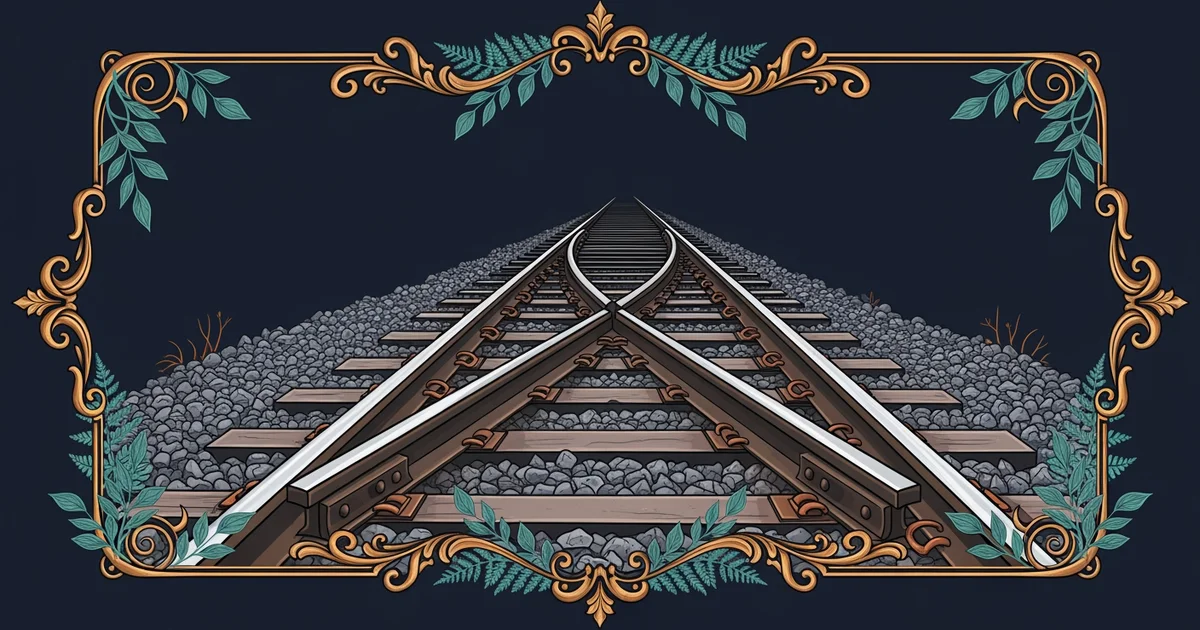
Understanding Track Geometry Basics
Engineers define the shape of a railway path through a concept known as track geometry. This field focuses on the horizontal and vertical alignment of rails to ensure smooth vehicle movement. Horizontal alignment controls the path of the train as it moves around curves. Vertical alignment dictates the slope and elevation changes as the train climbs hills or descends valleys. Every segment of rail must follow strict mathematical standards to prevent derailment during transit. Think of track geometry like a carefully planned highway route for a high-performance race car. If a driver takes a sharp turn too fast without proper banking, the car will skid off the road. Similarly, a train needs specific curves and slopes to handle the massive forces generated by its heavy weight. Engineers calculate these paths to balance speed, safety, and comfort for everyone on board the train.
Managing Forces Through Alignment
When a train enters a curve, the laws of physics push the heavy vehicle outward. Engineers must design the track to counteract this outward force using specific geometric adjustments. One primary tool for this is superelevation, where the outer rail is raised higher than the inner rail. This creates a gentle tilt that shifts the weight of the train toward the center of the curve. By balancing these forces, the train can maintain higher speeds without sliding off the tracks. Proper alignment also reduces the mechanical wear on both the wheels and the steel rails over time. When tracks are built with incorrect geometry, the train experiences harsh vibrations that damage the surrounding infrastructure. Maintaining consistent geometry requires constant monitoring to ensure the steel remains perfectly aligned despite heavy daily use.
Key term: Superelevation — the practice of raising the outer rail higher than the inner rail on a curve to help trains maintain stability.
To keep the system safe, engineers follow a set of strict measurements for every new rail installation project:
- Gauge width ensures the distance between the two rails remains constant so wheel sets fit perfectly without wobbling or binding.
- Vertical alignment prevents sudden bumps or dips that could cause the train to lose contact with the steel surface during high-speed travel.
- Spiral transitions allow the train to enter a curve gradually rather than hitting a sharp turn suddenly to keep passenger comfort high.
These measurements work together to form a reliable network that supports heavy loads across diverse landscapes. The following table highlights common geometric factors that engineers must balance during the design phase of any railway project.
| Factor | Purpose | Impact on Safety |
|---|---|---|
| Gauge | Rail spacing | Prevents derailment |
| Cant | Curve banking | Balances lateral force |
| Gradient | Slope angle | Controls braking power |
By carefully managing these variables, engineers create tracks that can handle heavy freight and fast passenger trains alike. Consistent maintenance of these geometric standards prevents the structural fatigue that often leads to costly repairs or dangerous accidents. Every calculation must account for the specific speed and weight of the trains that will travel over that section of track. When these factors align correctly, the train moves efficiently across the landscape without wasting energy or damaging the steel rails.
Reliable railway operations depend on precise geometric alignments that manage the physical forces acting upon moving trains.
The next Station introduces Wheel and Rail Interaction, which determines how track geometry affects the mechanical contact between the train and the rails.