
Origins of Railway Engineering
Imagine a heavy cart rolling through deep mud, where every turn of the wheel creates a new rut that slows your progress to a crawl. Early transport faced this exact struggle, as moving massive loads over soft ground was slow, exhausting, and often impossible for heavy goods. Engineers eventually realized that creating a permanent, rigid surface for wheels to travel upon would solve this friction problem forever. This simple observation sparked the birth of the railway, turning unstable dirt paths into reliable steel highways that could support immense weight with minimal effort.
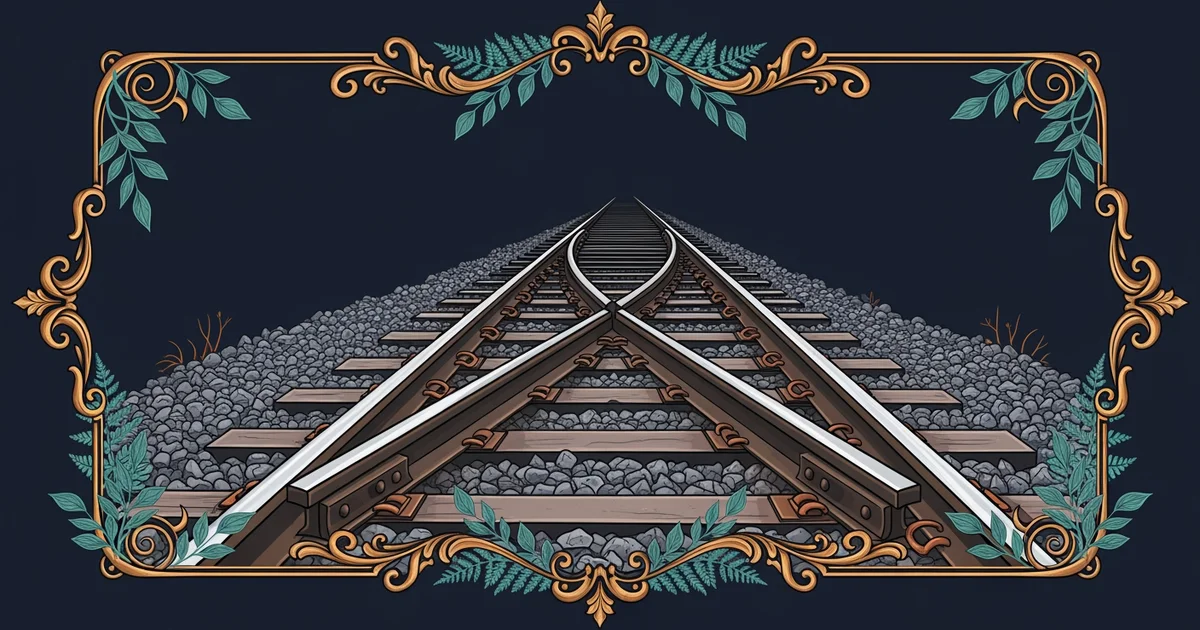
The Evolution of Track Materials
Early railway engineering began with the simple idea of using wooden rails to guide wagon wheels along a fixed path. These wooden beams prevented wheels from sinking into soft ground, acting like a bridge that moved with the vehicle itself. However, wood wears down quickly under the weight of heavy cargo, requiring constant repairs that made long-distance transport quite expensive. Engineers soon transitioned to using iron plates to cover the wood, which increased durability significantly while keeping the structure relatively affordable for mining companies. This shift marked the first major milestone in creating a system that could handle heavier loads over longer periods of time without needing daily maintenance.
Key term: Friction — the resistance that one surface or object encounters when moving over another surface.
As mining operations grew in scale, the need for stronger materials pushed engineers to replace wood entirely with solid metal rails. This transition allowed for the use of steam power, which generated far more force than horses or manual labor ever could. A metal rail provides a smooth, uniform surface that minimizes energy loss, much like how a modern high-speed elevator glides effortlessly through a shaft compared to a heavy box dragged up a rough staircase. By perfecting the shape and composition of these rails, engineers ensured that massive trains could move safely across diverse landscapes without the wheels slipping or the tracks buckling under the pressure.
Designing Systems for Heavy Loads
Modern railway systems rely on a complex network of components designed to distribute weight across the ground to prevent structural failure. Engineers must account for the total mass of the train, the speed of travel, and the stability of the soil beneath the tracks. They use a layered approach to build a stable foundation that can withstand the constant vibration and stress caused by heavy freight moving at high speeds. This process involves careful planning to ensure that the steel rails, wooden or concrete ties, and the crushed stone ballast work together as a single, unified machine.
To understand how these components interact, consider the following structural layers:
- Steel Rails provide the hard, smooth surface that minimizes rolling resistance and keeps the heavy train wheels perfectly aligned during transit.
- Concrete Ties act as anchors that maintain the precise distance between rails, ensuring the train does not derail even under extreme pressure.
- Crushed Ballast serves as a flexible foundation that drains water away from the track, preventing the ground from softening and shifting over time.
By carefully balancing these elements, engineers create a system that remains stable regardless of the environment or the weight of the cargo being moved. This engineering discipline requires a deep understanding of how materials behave under stress, as even a tiny error in track alignment can lead to significant problems when thousands of tons of metal move across the network. The ability to design these massive steel networks is what allows global trade to function, moving essential resources from remote locations to cities across the entire world.
The origins of railway engineering lie in the transition from soft, unstable ground to rigid, guided surfaces that minimize friction and maximize efficiency.
By mastering the design of these foundational tracks, engineers paved the way for understanding the complex physical forces that govern how heavy trains move across the globe.