
Geomagnetic Storm Dynamics
Imagine a massive power grid suddenly flickering and dying across an entire continent without any warning. This silent chaos often stems from invisible interactions between the sun and our protective magnetic field. When the sun releases high-energy particles, it creates a turbulent environment that tests our electrical infrastructure. These events reveal just how much our modern life depends on a stable relationship with the sun. Understanding these mechanics helps us see why scientists monitor space weather with such high intensity today.
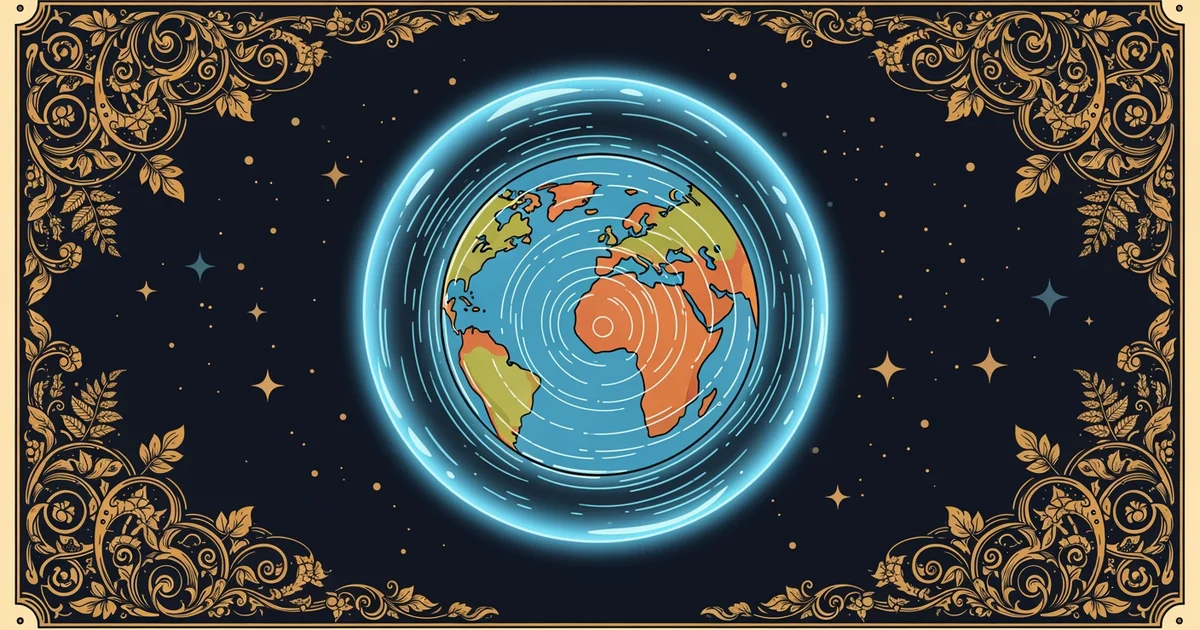
The Anatomy of Solar Energy Transfer
Solar activity creates a constant flow of charged particles that travel through the vacuum of space. This stream, known as the solar wind, carries energy toward Earth at incredible speeds every single day. When the sun experiences a peak in its cycle, it releases massive bursts of plasma called coronal mass ejections. These clouds of gas collide with our planet's magnetosphere, which is the invisible shield protecting our atmosphere from harmful radiation. Think of this process like a heavy rainstorm hitting a sturdy umbrella that is already struggling to stay open. If the rain becomes too intense, the umbrella eventually buckles under the pressure and allows water to seep through the fabric. Similarly, our magnetosphere experiences intense stress when these solar bursts push against its boundaries with immense force.
Key term: Magnetosphere — the region of space surrounding Earth where the planet's magnetic field dominates the behavior of charged particles.
This interaction forces the Earth's magnetic field to snap and reconnect in a process called magnetic reconnection. This snapping releases huge amounts of stored energy that travels down toward the polar regions of our planet. As these particles strike the upper atmosphere, they trigger brilliant light shows known as auroras. While these displays are beautiful, they represent a significant transfer of energy into our immediate space environment. This energy does not just stop at the atmosphere, as it can induce strong electrical currents within the ground itself. These ground-level currents pose a hidden threat to the metal structures and long-distance wires that span our vast landscapes.
Managing Disruptions in Modern Infrastructure
Modern power grids are particularly vulnerable because they rely on long metal lines that act like massive antennas. When geomagnetic storms occur, these lines can pick up excess electricity that they were never meant to handle safely. This extra surge can overheat transformers, which are the essential devices that regulate voltage for homes and businesses. If a transformer fails, it can trigger a chain reaction that knocks out power for millions of people. We can categorize the potential impact of these solar events by looking at how they interact with our human technology:
- Induced currents flow through long-distance power lines and can lead to permanent damage in large power transformers.
- Satellite communication systems experience interference as the charged particles disrupt signals passing through the upper layers of our atmosphere.
- Global navigation systems lose accuracy when the dense plasma clouds distort the path of radio waves from space.
| System Component | Primary Vulnerability | Typical Failure Mode |
|---|---|---|
| Power Transformer | Induced ground current | Thermal overheating |
| Satellite Sensor | Charged particle impact | Electronic signal noise |
| Radio Transmitter | Atmospheric distortion | Loss of signal lock |
Engineers work hard to build systems that can withstand these temporary surges by using specialized protective equipment. They install sensors that detect when the current levels rise too high, allowing the grid to shut down safely. This proactive approach prevents the total collapse of the system during the most severe solar weather events. By monitoring the sun, we gain the time needed to prepare our infrastructure before the storm hits.
Geomagnetic storms act as a bridge for solar energy to enter our technology, requiring smart grid designs to prevent widespread electrical failure.
But what does it look like in practice when we consider the long-term rotation of our planet against these shifting magnetic forces?
Want this with sources you can check?
Premium Learning Paths for Earth Sciences & Geography are researched against open-access libraries — PubMed, arXiv, government databases, and more — with their distinctive claims cited to real sources and independently checked.
See what Premium includes