
Plate Boundary Interactions
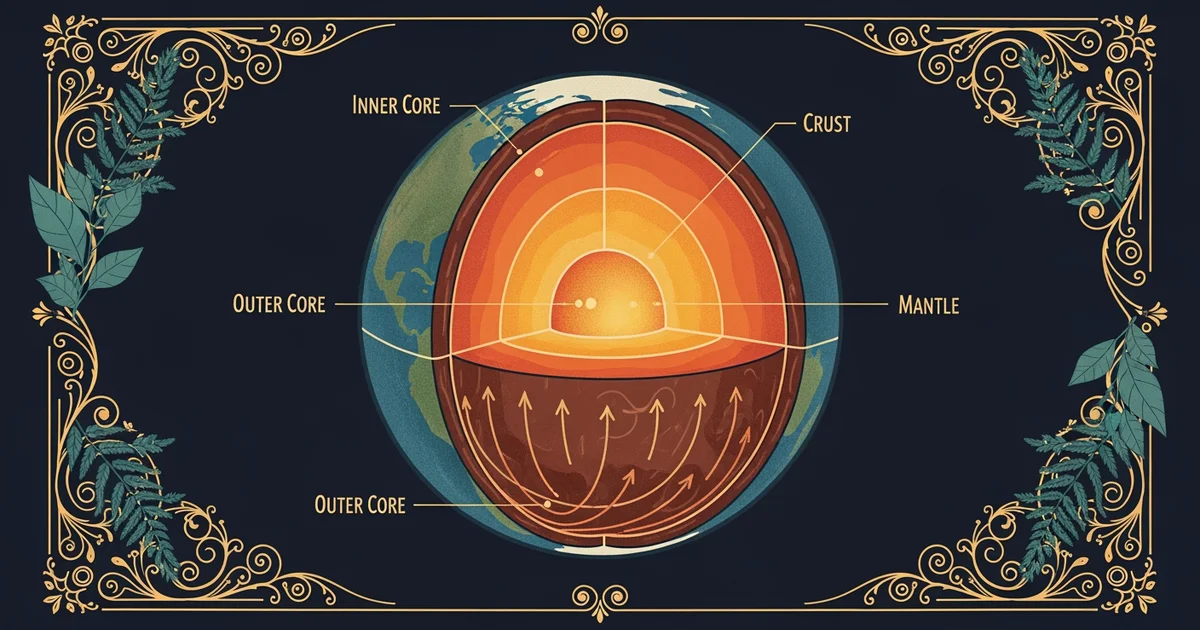
Imagine standing on a massive puzzle piece that slowly drifts across a giant, heated pool. If you look down at the ground, you might assume the earth is solid and unmoving beneath your feet. In reality, the outer shell of our planet consists of several large, rigid slabs that constantly grind against each other. These massive sections of the crust, known as tectonic plates, move because of the heat trapped deep inside the Earth. When these plates meet at their edges, they create intense geological activity that shapes our mountains, oceans, and landscapes over millions of years.
Understanding Plate Boundary Types
When these giant slabs of rock interact, they do so at specific zones called boundaries where the most dramatic surface changes occur. You can think of these boundaries like a busy intersection in a city where traffic flows in different directions. Some plates move apart, others crash head-on, and some simply slide past each other horizontally. Each of these interactions produces unique physical results, such as the birth of new crust or the violent release of seismic energy. By studying these movements, we can predict why certain regions experience frequent earthquakes while others see the growth of massive volcanic ranges.
Key term: Plate boundary — the specific location where two or more tectonic plates meet and interact, leading to significant geological events.
To categorize these interactions, we must look at the direction of the movement relative to the nearby plates. The following table highlights the primary ways these massive sections of our crust behave when they come into contact with one another:
| Boundary Type | Plate Movement | Geological Result | Primary Feature |
|---|---|---|---|
| Divergent | Moving apart | Crust creation | Mid-ocean ridges |
| Convergent | Crashing together | Crust destruction | Mountain ranges |
| Transform | Sliding sideways | Energy release | Fault lines |
These categories help us understand the mechanics of our planet by simplifying complex movements into three distinct patterns. When plates move apart at divergent boundaries, magma rises to fill the gap and creates brand new seafloor. Conversely, convergent boundaries occur when plates collide, often forcing one plate to sink beneath the other or pushing the land upward. Transform boundaries act differently because they do not create or destroy land, but they store massive amounts of pressure. When that pressure finally snaps, the resulting movement creates the shaking we feel as earthquakes across the surface.
Analyzing Geological Consequences
Because these boundaries are always active, they dictate the long-term geography of every continent on our planet today. Consider the analogy of a crowded hallway where students are rushing to different classes. If two groups walk in opposite directions, they create an empty space between them. If they walk toward each other, they collide and might pile up in the middle. If they brush past each other while walking in opposite directions, they create friction that causes a disturbance. This simple social interaction mirrors how our planet manages the constant shifting of the crustal plates beneath our feet.
- At divergent boundaries, the crust stretches and thins until it eventually splits open to allow molten rock to escape.
- At convergent boundaries, the immense force of the collision creates deep trenches or pushes up towering mountain chains over time.
- At transform boundaries, the plates lock together due to friction until the accumulated stress forces a sudden, violent release of energy.
Each of these processes serves a vital function in the ongoing cycle of our planet's surface development and transformation. Without these movements, the Earth would likely be a stagnant, cold rock with no way to recycle its own crust. By categorizing these interactions, we gain a clearer picture of how the ground beneath us remains in a constant state of change. This knowledge allows us to better understand the risks and rewards associated with living in regions near these active plate edges.
The movement and interaction of tectonic plates at their boundaries continuously recycle the Earth's crust and reshape the surface through volcanic activity, mountain building, and seismic events.
But what does it look like in practice when one plate forces itself beneath another during a collision?