
Urbanization Trends
Imagine a small village where every neighbor knows your name and the local bakery is the only place to buy bread. Now, picture that same village transforming into a bustling metropolis where high-rise apartments replace farmhouses and thousands of people commute through busy subway tunnels every single morning. This shift represents the core of modern life as populations move from rural landscapes into dense, interconnected urban centers. Understanding why this happens requires looking at how economic opportunities and social services pull people toward cities. When industries grow, they create a magnetic force that draws workers from distant regions into concentrated hubs of activity and innovation.
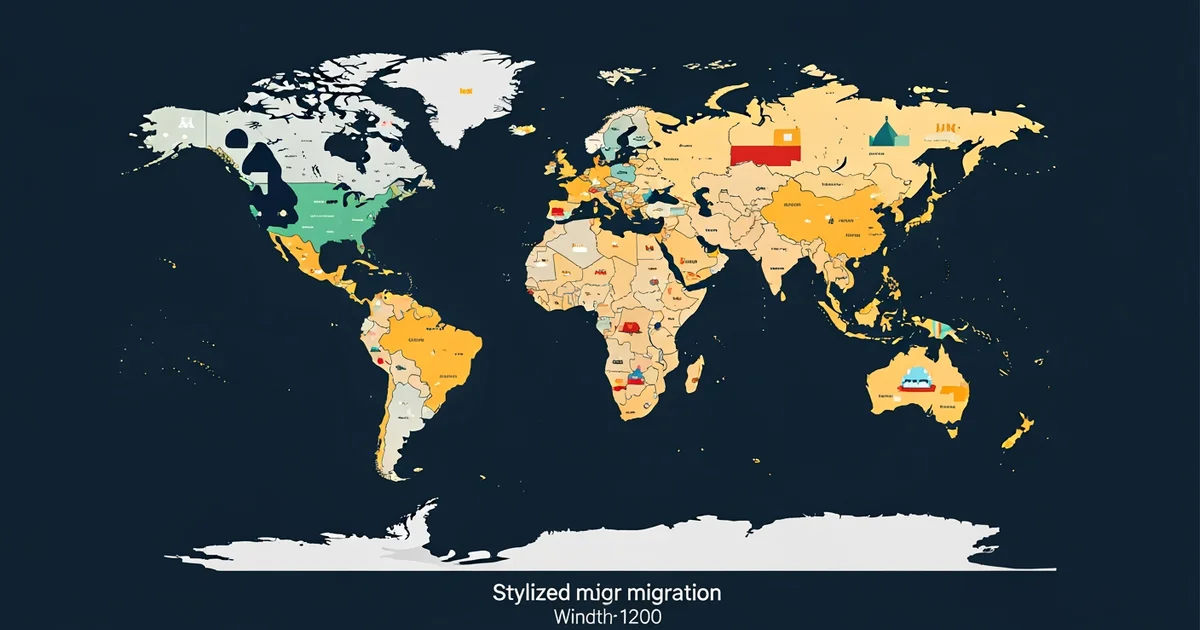
The Mechanics of Urban Growth
People migrate to cities primarily because they seek better jobs and higher wages than rural areas can provide. As agricultural technology advances, fewer workers are needed to produce the same amount of food, which leaves many individuals looking for new roles elsewhere. Cities act like a giant sponge that absorbs this surplus labor force by offering diverse employment in manufacturing, technology, and service industries. When a company opens a new office in a major city, it creates a ripple effect that supports local businesses, restaurants, and transportation networks. This concentration of workers allows businesses to specialize, which further drives the local economy and increases the overall demand for labor.
Key term: Urbanization — the process where an increasing percentage of a population lives in cities rather than rural areas.
Beyond just finding work, cities provide access to essential services that are often unavailable in remote locations. Schools, hospitals, and specialized training centers tend to cluster in urban zones because they require a large number of people to stay financially viable. Families move to these areas to ensure their children receive a better education and to access medical care that can handle complex health issues. This centralization of social infrastructure creates a feedback loop where the presence of services attracts more residents, which in turn justifies the expansion of even more services. Think of this process like a massive magnet that pulls iron filings toward its center, where the strength of the magnet represents the city's ability to offer a higher standard of living.
Economic and Social Impacts
As cities expand, they must manage the challenges of housing, transit, and resource distribution for their growing populations. The rapid pace of this growth often outstrips the ability of local governments to build enough affordable housing or efficient public transport systems. When infrastructure fails to keep up with the number of new arrivals, cities may face issues like traffic congestion and the development of informal settlements. To maintain stability, urban planners must balance the needs of new residents with the existing capacity of the city's power, water, and sewage systems. The following table highlights how different sectors adapt to the rapid influx of people within a growing urban environment.
| Sector | Rural Challenge | Urban Solution | Resulting Benefit |
|---|---|---|---|
| Housing | Limited space | Vertical building | Higher density |
| Transit | Long distances | Public rail lines | Faster movement |
| Economy | Single industry | Market diversity | Job stability |
Urbanization also changes the social fabric of a community by bringing together people from diverse backgrounds and cultures. This mixing of perspectives often leads to new ideas, creative breakthroughs, and faster technological advancements that would not occur in isolated settings. While the transition from rural to urban life can be difficult, the long-term trend shows that most societies choose this path to improve their collective economic standing. By concentrating human intelligence and resources in one place, cities become the engines that drive global progress and societal change.
Urbanization functions as a powerful engine of change that reshapes human geography by concentrating resources, services, and opportunities into dense, high-growth hubs.
But what does it look like when we map these massive population shifts using modern digital tools?