
Karst Landscapes
Imagine walking across a grassy field when the ground suddenly collapses into a deep, hidden pit. This dramatic event happens because the earth beneath your feet is slowly dissolving from the inside out. These unique landscapes form through a complex process involving water and stone. Understanding how this occurs reveals the hidden mechanics of our planet's crust.
The Chemistry of Limestone Dissolution
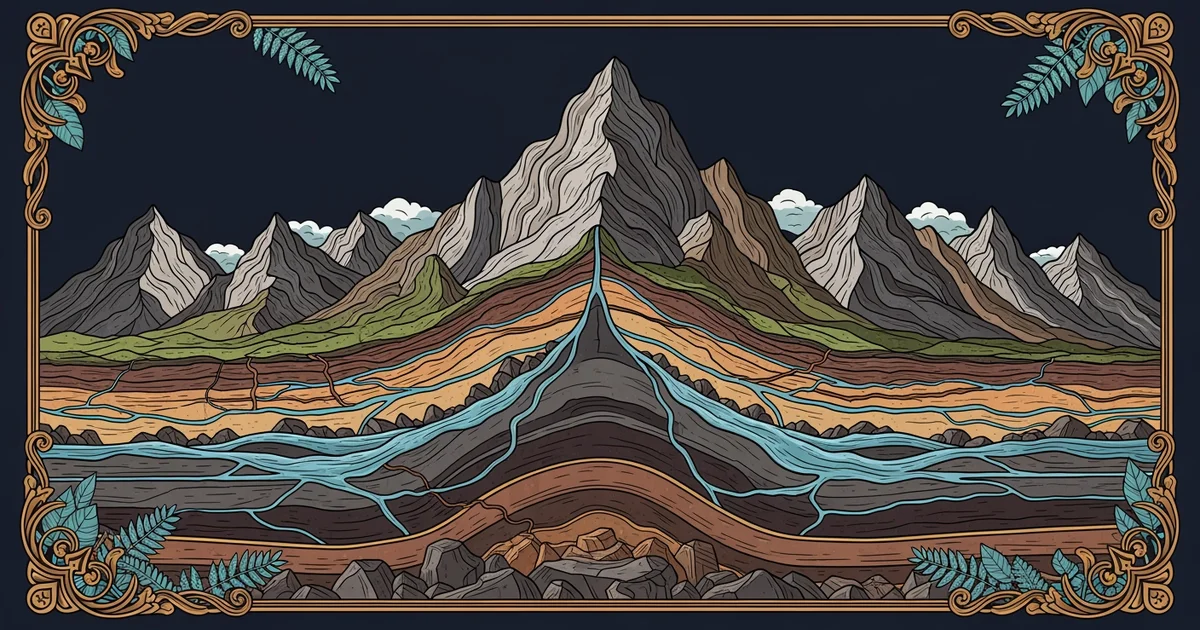
Water moves through the environment by collecting carbon dioxide from the air and the soil. This mixture creates a weak acid that acts like a slow-moving chemical saw. When this acidic water reaches underground layers of limestone, it begins to eat away at the rock structure. The process is similar to how a bank account slowly drains when small, frequent fees are removed over many years. Because limestone is highly soluble, the water carves out tiny cracks and eventually large underground chambers. These spaces expand over time as more water flows through the system.
Key term: Karst — a landscape shaped by the chemical dissolution of soluble rocks like limestone, dolomite, or gypsum.
This chemical erosion transforms solid rock into a hollow network of tunnels and caves. The strength of the rock diminishes as the internal structure becomes riddled with holes. Gravity eventually pulls the surface downward when the ceiling of a cave can no longer support the weight above it. This collapse creates a surface feature known as a sinkhole. These features are the most visible signs that the ground beneath is actively changing its form.
Features of Evolving Landscapes
Surface water disappears quickly in these areas because it drains directly into the underground plumbing system. This lack of surface streams is a classic indicator of a developing environment. You can identify these landscapes by looking for specific geological markers that signal constant internal movement. These markers help scientists map the hidden pathways where water travels beneath the surface of the earth.
Common features found in these specific regions include:
- Sinkholes occur when the roof of an underground cavity fails, creating a visible depression on the surface.
- Disappearing streams happen when surface water flows into a crack and vanishes into the dark underground.
- Caves form as the acidic water widens initial cracks into massive, interconnected rooms hidden deep below ground.
- Springs appear where the underground water finally reaches the surface again after traveling through the rock.
These features change the way humans use the land because the surface is often unstable. Building structures in these areas requires careful planning to avoid sudden collapses. Engineers must test the rock density before starting any major construction project to ensure safety. The water quality in these regions is also unique because it flows through rocks rather than over soil. This means pollutants can travel long distances very quickly without the natural filtration provided by surface dirt. Protecting these water sources remains a major challenge for local communities living on top of these fragile rock systems.
| Feature | Process | Impact on Land |
|---|---|---|
| Sinkhole | Collapse | Surface hazard |
| Cave | Erosion | Underground void |
| Spring | Discharge | Water source |
Every part of this system connects the surface to the deep interior of the crust. The water acts as the primary architect, constantly redesigning the shape of the terrain. As the rock dissolves, the entire landscape slowly lowers and shifts over thousands of years. This cycle of erosion and collapse ensures that the earth never remains in the same state for long. Observing these changes gives us a window into the long-term history of our planet.
Limestone landscapes transform through the chemical action of acidic water which carves out vast underground voids that eventually collapse to reshape the surface.
But what does this landscape look like when we consider the massive timescales required for these rock formations to fully evolve?