
Future Coastal Visions
Rising sea levels and shifting weather patterns create a permanent tension for those who live along the world's crowded shorelines. Imagine trying to build a sandcastle while the tide constantly creeps closer to your walls, forcing you to choose between constant repairs or moving to higher ground.
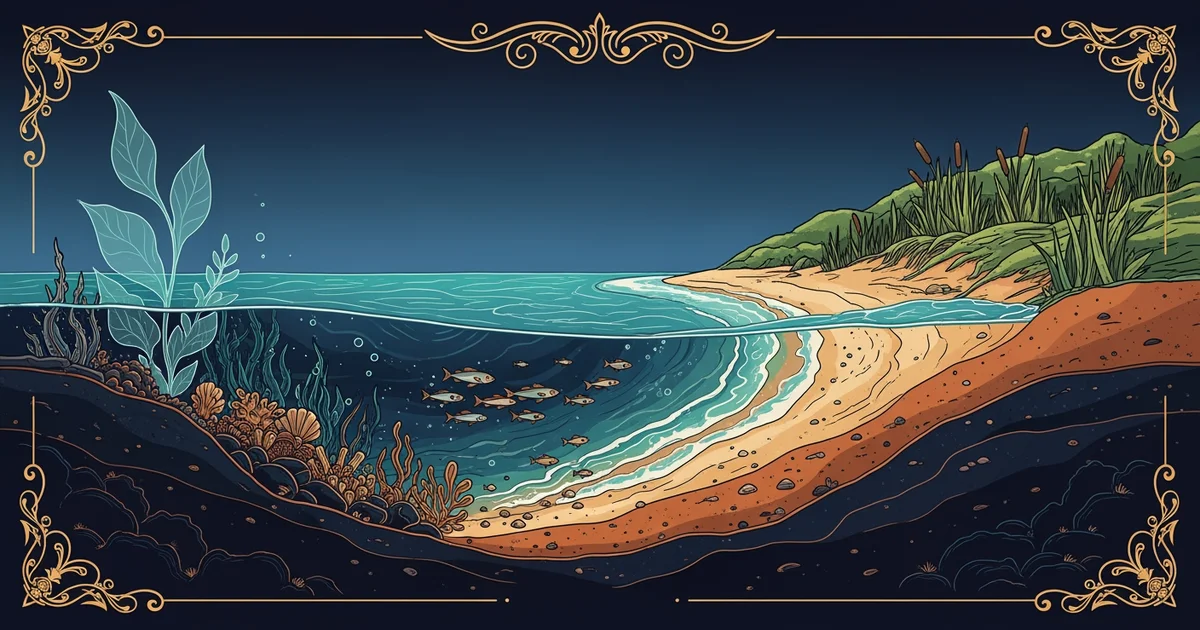
Adapting to Dynamic Environments
Coastal zones act like a living balance sheet where human economic growth meets the natural limits of our fragile environment. We must move beyond simple protection measures to create flexible systems that can handle the inevitable changes brought by rising global waters. Previous studies on integrated management systems show that we cannot simply build walls to block the ocean forever. Instead, we must design coastal infrastructure that works with the natural flow of tides and sediment. Think of this process like managing a personal budget during a period of high inflation. You cannot simply spend more money to maintain your current lifestyle when costs rise unexpectedly. You must instead adjust your spending habits and find new ways to live comfortably within your changing financial means. By applying this same logic to our coasts, we prioritize long-term resilience over short-term expansion.
Key term: Adaptive management — a structured process of decision-making that allows for adjustments to plans as new data about environmental changes becomes available over time.
Visioning Resilient Coastal Futures
Developing a vision for the future requires us to integrate our physical infrastructure with the biological health of the surrounding ecosystems. We need to move toward a model where human development and nature exist in a state of mutual support rather than constant conflict. This requires careful planning that accounts for both the economic value of ports and the ecological necessity of healthy wetlands. When we look at the interaction between human growth and coastal health, we see that the most resilient regions are those that allow for natural transitions. Consider the following strategies for building a future that respects both human needs and environmental limits:
- Restoring natural buffers like mangroves and salt marshes provides a first line of defense that grows stronger as sea levels rise over time.
- Implementing zoning laws that prevent new construction in high-risk flood zones ensures that we do not increase the number of people in harm's way.
- Designing floating structures for homes and businesses allows communities to remain in place while adapting to the daily fluctuations of the shifting water levels.
These strategies represent a shift from trying to control the ocean to learning how to live alongside its natural power. By valuing the services that ecosystems provide, we ensure that our coastal investments remain viable even as the world around us changes. We must move away from rigid engineering projects that fail during extreme weather events. Instead, we should embrace designs that absorb energy and recover quickly after a major storm passes through the region.
| Strategy Type | Primary Benefit | Implementation Goal |
|---|---|---|
| Nature-based | Storm protection | Habitat restoration |
| Infrastructure | Flood control | Long-term stability |
| Policy-driven | Risk reduction | Sustainable growth |
This table illustrates how different approaches to coastal management provide unique benefits to the communities they serve. Nature-based solutions offer the most flexibility, while policy-driven actions provide the necessary guardrails for long-term development. By combining these methods, we create a robust framework that supports both human activity and environmental health. The ultimate goal is to foster a relationship where human growth does not come at the expense of the very shorelines that support our global trade and local recreation. We are effectively redesigning our relationship with the water to ensure that future generations can enjoy the same coastal benefits that we value today. This requires constant monitoring and a willingness to change our plans when the environment gives us new signals about its current health status.
True coastal resilience depends on our ability to prioritize flexible, nature-based solutions that allow human development to exist in harmony with the natural cycles of our changing oceans.
Understanding how to balance human growth with the health of our global coastlines is a vital skill for the future of environmental science.