
Biodiversity Protection
Imagine a bustling city where every shop suddenly closes its doors, leaving the streets empty and silent. Coastal ecosystems function much like these city centers, where diverse species rely on specific niches to keep the entire system productive and healthy. When we lose a single species, the local economy of life begins to crumble, creating a ripple effect that touches every other inhabitant. Protecting this biodiversity is not just about saving pretty creatures, but about maintaining the structural integrity of the entire shoreline. By understanding these connections, we can design better strategies to keep our coastlines resilient against human growth and environmental shifts.
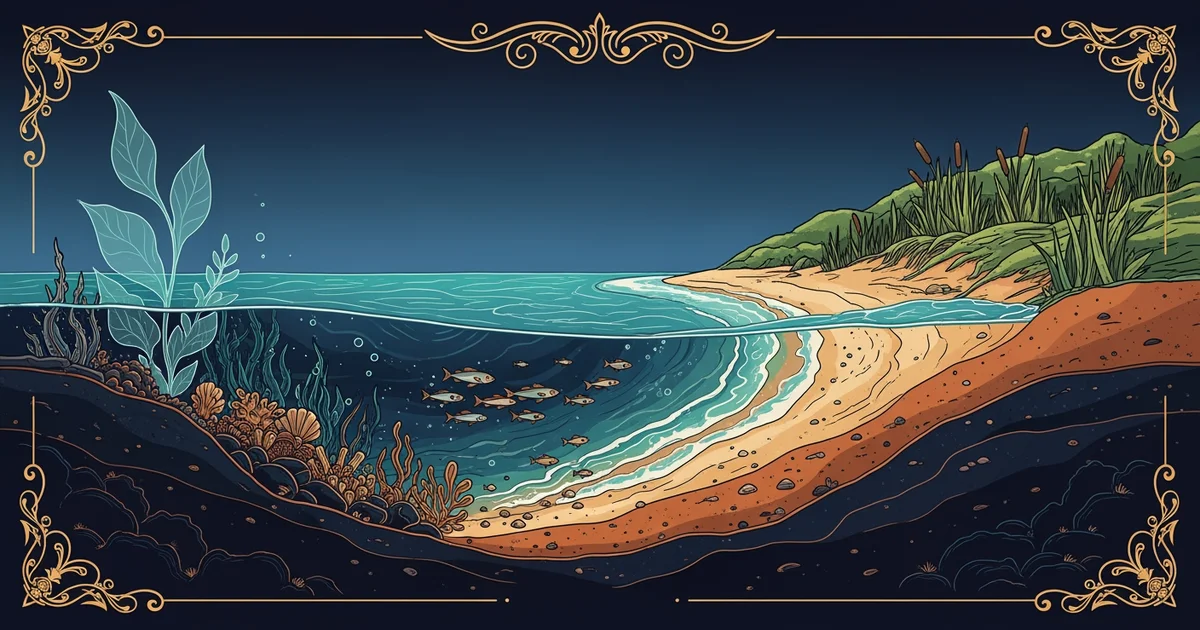
Strategies for Marine Life Protection
To ensure that coastal zones remain vibrant, we must implement active management strategies that prioritize the preservation of native habitats. These strategies often involve creating protected zones where human activity remains limited, allowing species to breed and recover without constant external pressure. Think of these protected areas as a savings account for nature, where the interest earned represents new generations of marine life that eventually spill over into surrounding waters. By setting aside these refuges, we allow the natural complexity of the ecosystem to reassert itself, which strengthens the food web against potential collapses. This approach requires careful monitoring to ensure that the designated boundaries actually support the species they intend to protect.
Key term: Biodiversity — the variety of life in a particular habitat or ecosystem, which contributes to the overall stability and health of that environment.
Effective protection requires a layered approach that addresses the specific needs of different coastal environments, such as mangroves, coral reefs, and salt marshes. We categorize these strategies based on their primary focus, ensuring that every part of the ecosystem receives targeted support rather than a one-size-fits-all solution. The following table outlines how different management techniques address specific ecological challenges while balancing human interests in coastal zones:
| Strategy | Primary Focus | Ecological Benefit | Human Impact |
|---|---|---|---|
| Marine Reserves | Total protection | Allows full recovery | Limits local fishing |
| Habitat Restoration | Physical repair | Rebuilds lost homes | Temporary disruption |
| Seasonal Closures | Breeding cycles | Boosts population | Limits access timing |
Balancing Growth with Conservation
Implementing these strategies effectively means we must reconcile the needs of coastal communities with the biological requirements of marine species. We often view conservation as a barrier to growth, but healthy coastal ecosystems actually provide essential services that support human economies. For example, a thriving mangrove forest acts as a natural storm barrier, saving local businesses from expensive flood damage while providing a nursery for commercial fish stocks. By treating biodiversity as a form of natural infrastructure, we shift the conversation from choosing between profit and nature toward investing in long-term stability. This perspective helps stakeholders understand that protecting species is a necessary cost of doing business on the coast.
To achieve true balance, local governments and communities must collaborate on management plans that incorporate scientific data with traditional knowledge. We must recognize that coastal zones are dynamic, meaning our protection strategies must also be flexible enough to adapt to changing conditions. When we integrate these diverse viewpoints, we create a stronger framework for managing the delicate balance between human expansion and the biological health of our shared coastlines. This ongoing process of adjustment ensures that we do not exhaust the natural resources that sustain our coastal way of life. By focusing on sustainable practices today, we secure the future of these complex and essential environments for generations to come.
Maintaining coastal biodiversity requires viewing natural ecosystems as vital infrastructure that supports both environmental health and human economic stability.
The next Station introduces Hard Engineering Solutions, which determines how we build physical structures to protect our coastlines from erosion.