
The Value of Estuaries
Imagine standing where a rushing river meets the vast salty ocean waves. This unique meeting place acts like a giant natural filter for our world.
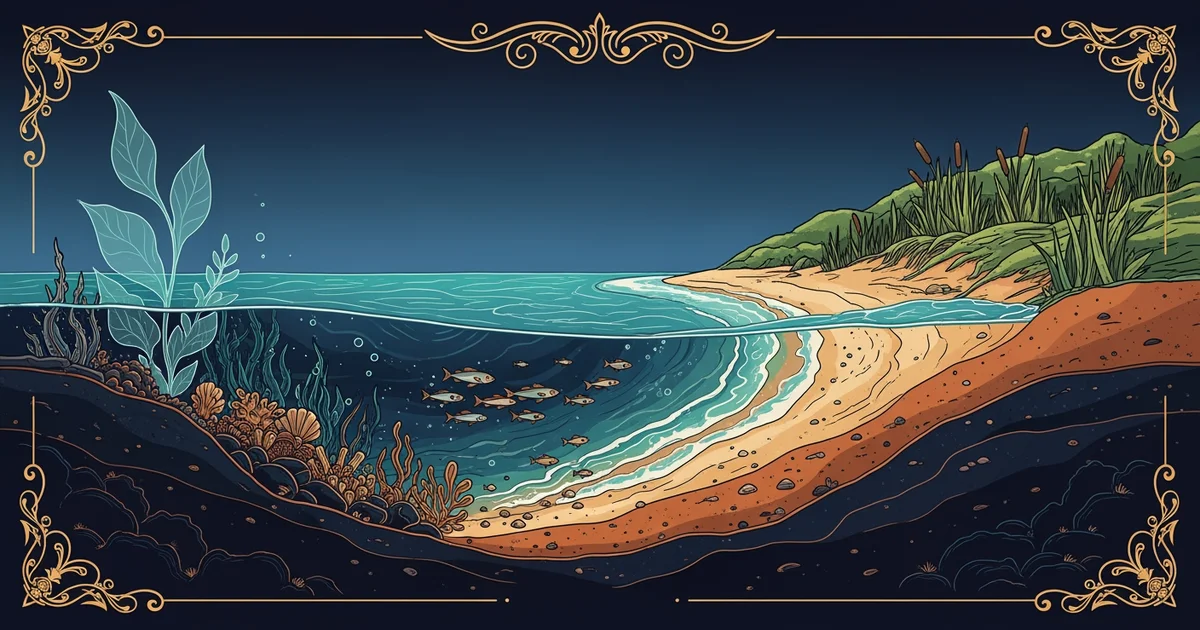
The Economic Importance of Coastal Wetlands
These areas, known as estuaries, provide massive value to our global economy every single year. They function much like a busy city bank that stores valuable assets for the entire community. When storm surges approach the land, these zones act as a protective buffer against damage. They absorb excess water and shield expensive coastal homes from the worst of the waves. Without this natural defense, towns would spend billions on artificial walls and concrete barriers. By keeping the coast stable, these ecosystems save taxpayers significant amounts of money on repairs. Healthy wetlands also support massive fishing industries by providing safe nurseries for young marine life. If these habitats disappear, the local food supply and job markets suffer immediate losses. We must recognize that nature provides services that our human economy relies upon for growth.
Key term: Estuary — a partially enclosed coastal body of water where freshwater from rivers mixes with saltwater from the ocean.
Ecosystem Services and Human Prosperity
Beyond just protection, these zones perform complex tasks that keep our water clean and safe. They trap sediments and filter out pollutants before they reach the open sea. This natural cleaning process saves cities from building expensive water treatment plants for coastal areas. The economic benefit of this filtration is often hidden from our daily view. We often take these services for granted until they are lost to development or pollution. To understand the full scope of these benefits, consider the specific roles they play in our environment:
- Water filtration systems remove harmful chemicals and excess nutrients from the river flow before they enter the ocean.
- Storm surge protection buffers the impact of heavy waves and prevents the flooding of nearby residential and commercial properties.
- Carbon storage capacity allows these wetlands to capture greenhouse gases that would otherwise contribute to global climate warming trends.
These functions create a stable environment that allows humans to build and thrive nearby. When we destroy these habitats, we lose the free services that nature provides for us. Replacing these complex natural systems with man-made technology is often impossible or extremely costly.
| Service Type | Economic Benefit | Impact of Loss |
|---|---|---|
| Flood Control | Lowers insurance | High repair costs |
| Water Quality | Reduces treatment | Toxic algae blooms |
| Fish Nursery | Sustains fishing | Lower seafood yield |
We must calculate the true cost of our growth against the value of these services. If we ignore the health of the coastline, we undermine the foundation of our own economy. The balance between human expansion and environmental health remains the most critical challenge for our future. Every acre of marshland that we preserve serves as an investment in our long-term financial security. We are learning that the most expensive infrastructure projects are often those we build to replace what nature already does for free.
Healthy estuaries provide essential economic and safety services that protect human investments while sustaining our natural global food supply.
Understanding the value of these zones helps us prepare for the next step of exploring how erosion and sedimentation change the shape of our coastlines.