
Climate Change Risks
Rising tides turn once stable sandy shores into disappearing maps of lost land. You watch the ocean slowly creep past the high tide line, erasing the buffer zones that protect your home from crashing waves during winter storms. This shift is not a distant future event, but a current reality for millions living along the world’s vulnerable coastlines. As the planet warms, the water expands and ice sheets melt, forcing us to rethink how we build and where we choose to live near the sea.
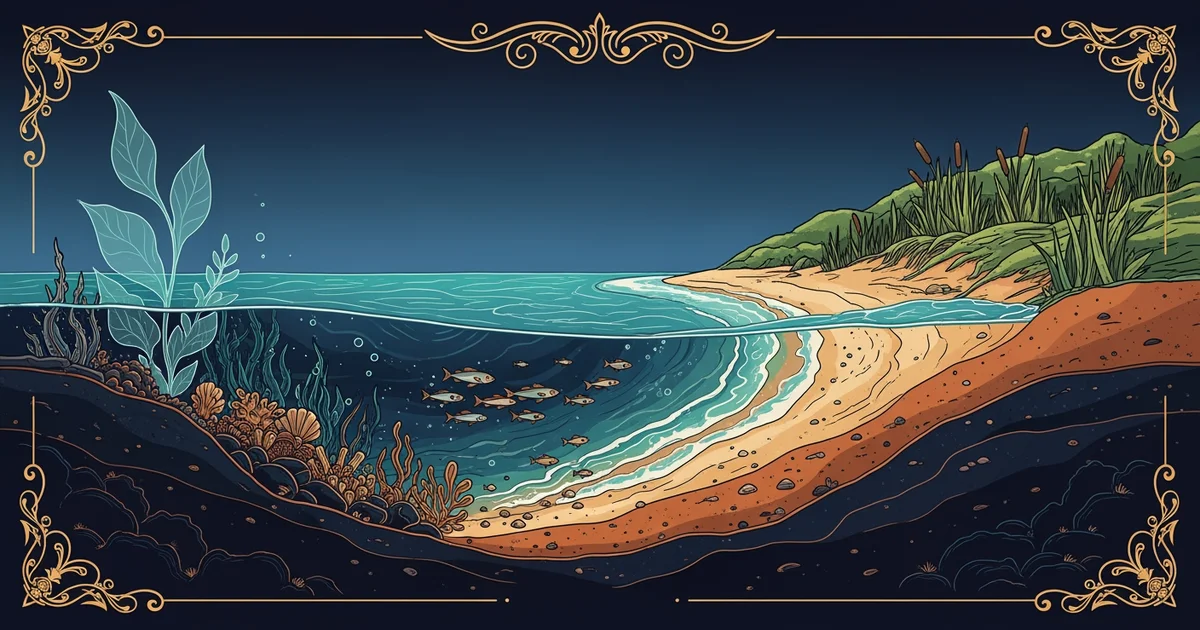
Understanding the Mechanics of Rising Seas
When we look at sea level rise, we must consider how heat changes the physical volume of ocean water. As temperatures climb, water molecules move faster and spread further apart, a process known as thermal expansion. Think of this like a balloon filling with air, where the ocean acts as the rubber skin that must stretch to contain the added space. Because the ocean basin is fixed, this expansion forces the water to push upward against the land. This is the primary driver of rising seas, even before we account for the massive ice melt from polar regions.
Key term: Thermal expansion — the physical process where ocean water increases in volume as it absorbs heat from the atmosphere.
Coastal communities face a difficult economic trade-off when planning for these rising waters. Imagine you are managing a bank account where every storm represents a withdrawal, and sea level rise is a slow, constant tax on your balance. Eventually, the account hits zero, and the land is no longer habitable or profitable. Local governments must decide whether to invest in expensive walls to hold back the water or to retreat from the coast entirely. These choices determine the long-term survival of towns that rely on the ocean for trade, tourism, and daily life.
Risks to Coastal Infrastructure and Stability
Beyond the daily high tide, rising waters amplify the danger posed by extreme weather events. When a storm surge hits, it rides on top of a higher base water level, allowing waves to penetrate much further inland than they did in the past. This creates a compounding effect where minor storms cause damage that was once reserved for rare, powerful hurricanes. The infrastructure that supports our coastal life—such as roads, power grids, and sewage systems—often sits at low elevations that were never designed to handle this new, higher baseline.
| Risk Type | Impact on Infrastructure | Long-term Consequence |
|---|---|---|
| Storm Surge | Flooding of low roads | Transport isolation |
| Saltwater Intrusion | Corroding metal pipes | Weakened foundations |
| High Tide Flooding | Damage to local homes | Lower property value |
These risks create a cycle of repair and decay that drains local budgets. When pipes corrode from saltwater exposure, the cost of maintenance spikes, often leading to neglect of other vital services. Communities must now prioritize which areas to save and which to abandon as the water continues its steady, relentless climb.
- First, assess the current elevation of critical infrastructure to identify which assets sit in the most dangerous flood zones.
- Second, develop a managed retreat plan that moves people and businesses away from the highest risk areas before disasters strike.
- Third, invest in resilient designs like elevated roads or natural barriers that can withstand occasional flooding without suffering total structural failure.
By following these steps, planners can reduce the total loss of life and property as the coastline shifts. Ignoring these risks only ensures that the final cost of adaptation will be much higher later. We must act now to balance human growth with the changing reality of our global coastlines.
Rising sea levels transform coastal risks by lowering the threshold for flood damage and forcing communities to choose between expensive defense or strategic retreat.
The next Station introduces biodiversity protection, which determines how coastal ecosystems provide natural buffers against these rising water levels.