
Soft Engineering Methods
Imagine a child building a sandcastle on the beach, only for the incoming tide to sweep away the base of their creation every few minutes. Coastal engineers face this same relentless problem when protecting our shorelines from the constant force of waves and rising sea levels. While hard structures like concrete walls act as rigid shields, they often cause erosion elsewhere by reflecting wave energy onto nearby beaches. Instead of fighting the ocean with steel and stone, we can use softer, more flexible methods to manage the coastline. These techniques work with natural processes rather than against them, creating a more sustainable balance between human needs and the environment.
The Principles of Soft Engineering
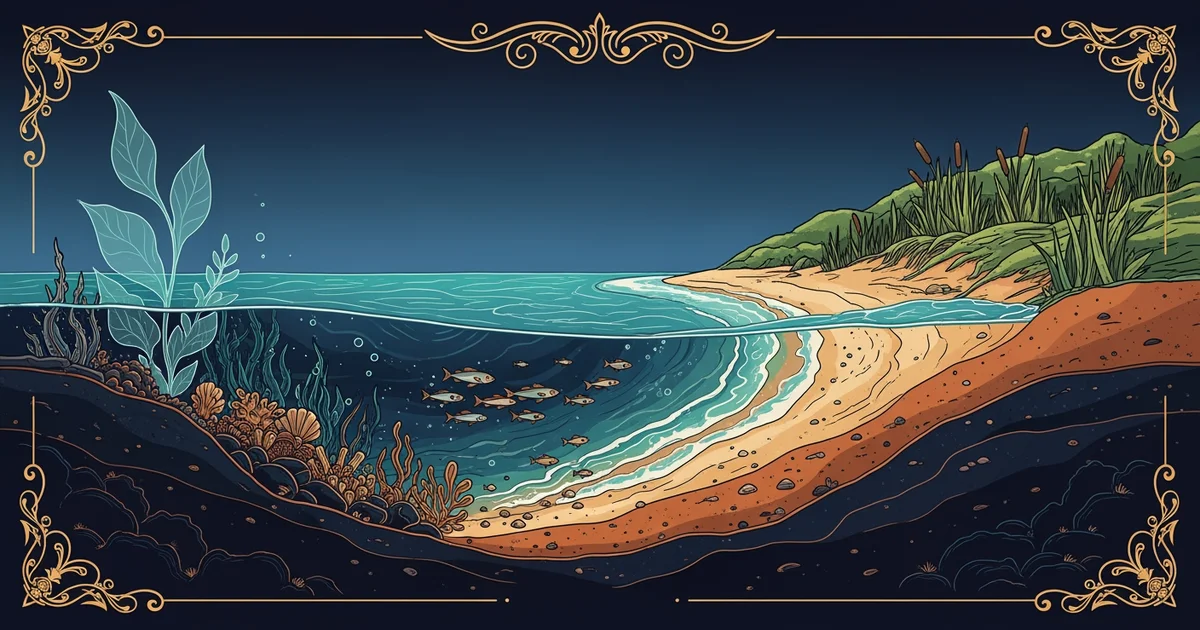
Soft engineering involves using natural materials and ecological processes to protect the coast from erosion and flooding. This approach views the shoreline as a dynamic system that changes constantly based on tides, storms, and sediment flow. By mimicking these natural movements, engineers help the land absorb wave energy instead of resisting it. Think of this like a professional athlete who rolls with a punch to reduce impact, rather than a statue that cracks under pressure. This method allows the beach to remain functional for recreation while providing a buffer against storm surges that threaten human development.
Key term: Beach nourishment — the process of adding large quantities of sand or sediment to a beach to replace material lost to natural erosion.
When we add sand to a beach, we are essentially giving the coastline a larger reservoir of material to handle wave energy. This extra sand provides a wider buffer zone that absorbs the force of incoming waves before they reach infrastructure or homes. Over time, the ocean will slowly redistribute this added sediment along the coast, which helps maintain the natural shape of the shoreline. This process requires regular maintenance because the ocean will eventually move the sand away again. Despite this need for repetition, it remains a preferred method because it maintains the aesthetic and recreational value of the beach.
Implementing Beach Nourishment Techniques
Restoring a shoreline requires careful planning to ensure the new sand matches the existing material in size and composition. If the added sand is too fine, it washes away quickly; if it is too coarse, it can alter the local ecosystem. Engineers must source sediment from offshore deposits or nearby river channels to ensure the balance remains stable. The following list outlines the primary steps taken during a typical nourishment project to ensure long-term success for the coastal area:
- Dredging involves extracting sand from the seabed using specialized ships that pump the material through pipes toward the target beach area.
- Distribution requires using heavy machinery to spread the sand evenly along the shoreline to create a natural profile that resists future erosion.
- Monitoring allows teams to track how the new sand behaves under different weather conditions and informs when the next replenishment cycle must begin.
| Feature | Hard Engineering | Soft Engineering |
|---|---|---|
| Material | Concrete or steel | Natural sand or sediment |
| Impact | Reflects wave energy | Absorbs wave energy |
| Flexibility | Rigid and fixed | Dynamic and shifting |
| Maintenance | Low frequency | High frequency |
This table highlights why soft methods offer a more sustainable way to manage coastlines compared to rigid, man-made structures. By choosing to replenish the beach, we support the natural flow of sediment that keeps our coasts healthy and resilient. While it requires a commitment to ongoing care, the long-term benefits for the environment and local communities are significant. We avoid the negative side effects of walls, such as scouring, while keeping our beaches wide and ready for use by the public.
Soft engineering restores coastal stability by working with natural sediment cycles to absorb wave energy instead of forcing the ocean to retreat.
But what does it look like in practice when we must coordinate these efforts across many different groups of people?