
Analyzing Historical Outcomes
Imagine you are standing in a kitchen from the past, holding a bowl of stew that looks nothing like the recipe described in an ancient journal. You followed every instruction, yet the color, the texture, and the aroma seem entirely foreign to the written records left by cooks centuries ago. This gap between your modern result and the historical account is the primary challenge of culinary archaeology. Recreating historic food is not just about following a list of steps, but about bridging the divide between our current kitchen tools and the forgotten techniques of previous generations. To understand the daily lives of people from the distant past, we must treat their recipes as clues rather than rigid rules.
Evaluating The Culinary Gap
When we compare our finished dish to historical accounts, we often find that our modern ingredients behave differently than the items used long ago. For instance, heirloom grains or heritage vegetables often possess different starch contents and moisture levels than the mass-produced items found in modern grocery stores. This discrepancy is like trying to play a modern digital file on a vintage record player; while the core melody remains the same, the output quality and the physical medium significantly alter the final listening experience. We must account for these subtle shifts in ingredient quality to understand why a dish might have tasted or looked a certain way in the past.
Key term: Culinary archaeology — the practice of reconstructing historical recipes by analyzing primary source descriptions and testing them against modern culinary understanding.
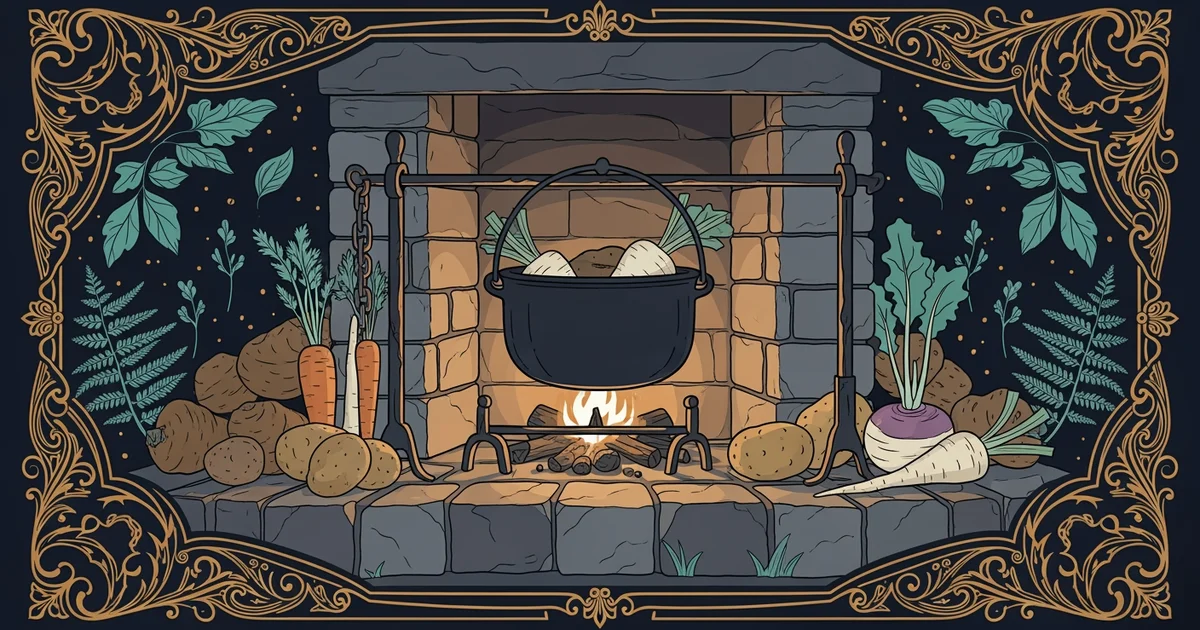
Beyond the ingredients, the physical environment of the kitchen dictates the outcome of any historical recipe. In previous stations, we explored the importance of safety in historical kitchens, but now we must consider how heat control influences flavor profiles. A cast-iron pot over an open wood fire distributes heat differently than a precise electric induction range. These environmental variables are often the missing link when a dish fails to match the historical description. By acknowledging these differences, we gain a deeper appreciation for the technical skill required by historical cooks who managed these variables without modern thermometers or timers.
Reconciling Results With Historical Accounts
To ensure our reenactments are accurate, we must systematically compare our results against the sensory details provided in original texts. This process of validation requires a keen eye for detail and a willingness to iterate on our methods until the output aligns with the documented evidence. Below are the core factors we must track when analyzing our historical outcomes:
- Sensory consistency: We must compare the final color, aroma, and mouthfeel of our dish against the specific adjectives used by historical writers to ensure our interpretation aligns with their lived experiences.
- Technique adaptation: We must adjust our modern cooking methods to mimic the limitations of historical equipment, such as using slower heat sources or manual stirring, to see how these constraints fundamentally alter the dish.
- Ingredient substitution logic: We must document why we chose specific modern ingredients to replace extinct or unavailable historical varieties, ensuring that the chemical properties remain as close to the original as possible.
By keeping a rigorous record of these variables, we turn our cooking session into a legitimate form of historical inquiry. This systematic approach allows us to see past the surface of the recipe and into the daily life of the person who first prepared it. We are not just cooking; we are conducting an experiment that honors the resourcefulness of our ancestors. The tension between our modern expectations and the historical reality forces us to question our own biases about what constitutes a "correct" or "tasty" meal. This process reveals that the history of food is as much about the limitations of the era as it is about the ingredients themselves.
Understanding the divergence between modern results and historical descriptions provides a window into the technical constraints and daily realities of people in the past.
Building on this analytical foundation, we will now explore how to effectively communicate these culinary discoveries to others in our final station.