
Safety in Historical Kitchens
During the 2018 Colonial Williamsburg open-fire cooking festival, a volunteer cook suffered a minor burn while managing an iron pot over an active hearth. This scenario represents the operational hazards discussed in Station 13, where the lack of modern safety features requires constant vigilance from the culinary team. Cooking over an open flame demands a different mindset than using a gas range, as the heat source is far less predictable. You must treat every ember and hot surface as a potential risk to yourself and your guests. Maintaining safety in a historical kitchen is not just about avoiding injury, but about protecting the integrity of the historical site itself. By following strict protocols, you ensure that the reenactment remains a safe environment for everyone involved in the process.
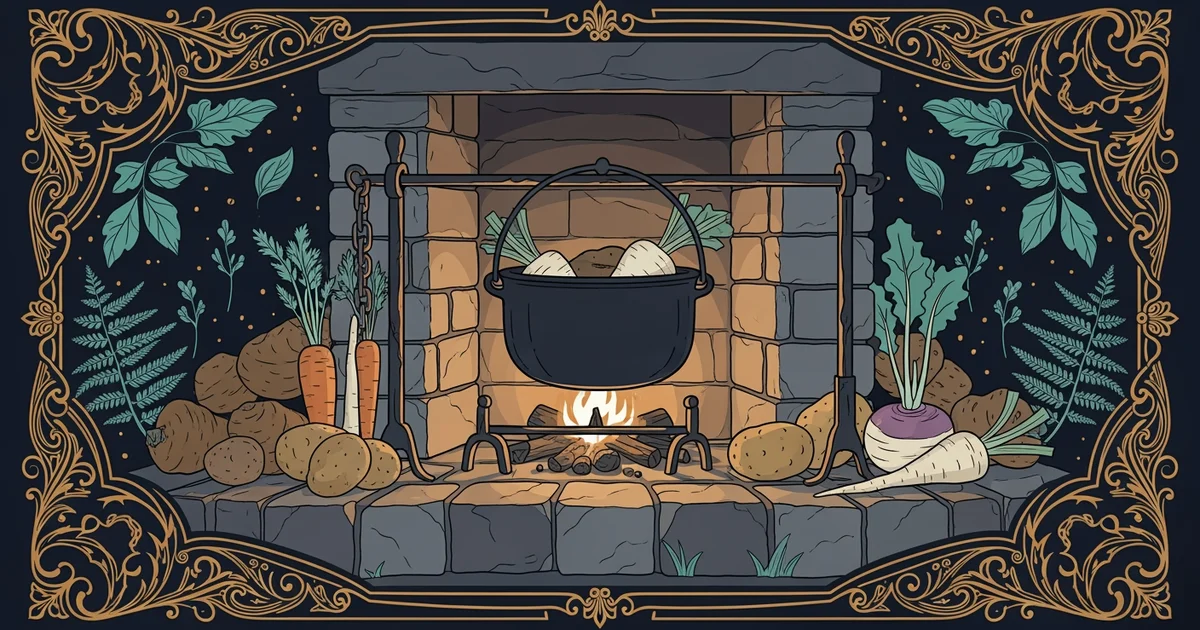
Managing Open Fire Risks
When you work with an open hearth, you must control the environment to prevent fire spread and personal injury. The most important step is establishing a clear perimeter around the cooking area to keep visitors at a safe distance. You should never leave an active fire unattended, even for a brief moment, because sparks can travel quickly to nearby flammable materials. Keeping a bucket of water or sand nearby is essential for immediate fire suppression if a flare-up occurs. Think of these safety tools like an insurance policy, where you pay a small price in effort to avoid a much larger loss. Without these precautions, a single stray ember could turn a historical demonstration into a dangerous emergency for the entire team.
To keep your kitchen area organized and safe, you must follow these standard practices:
- Wear natural fibers like linen or wool because synthetic fabrics melt quickly when exposed to high heat.
- Keep long hair tied back securely to prevent accidental contact with flames while you lean over the hearth.
- Use long-handled iron tools to maintain a safe distance from the intense heat of the fire pit.
- Clear all loose debris from the floor to avoid tripping while you carry heavy pots of hot food.
Maintaining Kitchen Sanitation
Sanitation in a historical setting requires extra effort because you lack modern appliances like dishwashers and refrigerated storage. Maintaining food safety standards is a high priority, especially when preparing dishes that contain perishable ingredients like dairy or meat. You must ensure that all surfaces are cleaned thoroughly after every use to prevent the growth of harmful bacteria. Because you are working in a space that mimics the past, you must rely on manual scrubbing and hot water to sanitize your equipment. This process is similar to managing a budget in a small business, where you must track every single resource to ensure you do not run out of funds before the month ends. If you fail to clean your tools properly, you risk contaminating the food you serve to your guests.
| Hazard Type | Risk Factor | Mitigation Strategy |
|---|---|---|
| Thermal | Open flames | Use long-handled tools |
| Biological | Raw meat | Keep cold and separate |
| Physical | Debris | Maintain clear pathways |
Properly managing these hazards ensures that your historical reenactment remains both authentic and safe for all participants. You must remain alert to the changing conditions of the hearth and the state of your food supplies throughout the entire day. By applying these methods, you create a professional environment that respects the history you are presenting to your audience. Following these rules allows you to focus on the craft of cooking rather than worrying about avoidable accidents or health issues.
Safety in historical kitchens requires constant awareness and the use of physical barriers to protect both the cook and the environment from the unpredictable nature of open-fire cooking.
But this model of safety becomes difficult to maintain when you begin analyzing the historical outcomes of your cooking process.