
Sourcing Authentic Ingredients
You walk into a modern grocery store and find thousands of items ready for purchase within minutes. Imagine instead that you must gather every single ingredient from a local landscape using only tools available centuries ago. This shift in perspective defines the challenge of historical cooking where sourcing authentic materials becomes an essential part of the process. Finding the right components requires more than just visiting a shop because modern farming techniques have altered the very taste and texture of common foods. Understanding these differences allows you to bridge the gap between our current convenience and the labor-intensive reality of past kitchens.
Identifying Period-Appropriate Supplies
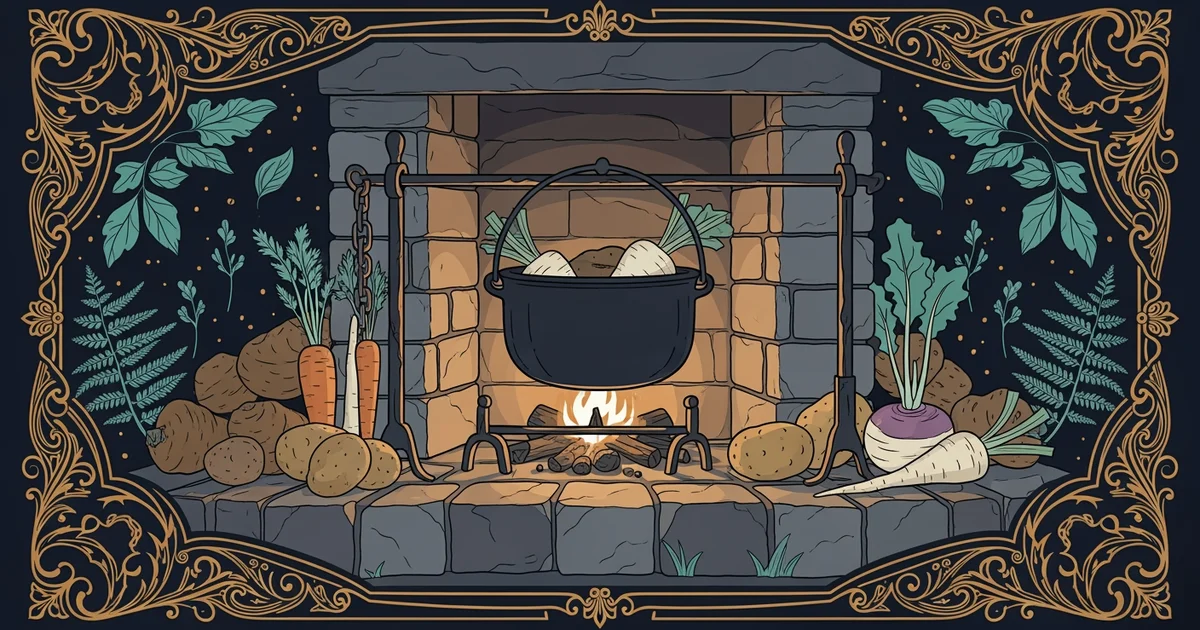
When you begin sourcing for a historical project, you must first recognize that many modern vegetables have undergone significant genetic changes over the last few hundred years. Carrots were once purple or white rather than the bright orange variety found in every supermarket today. You should prioritize heirloom varieties because these seeds preserve the genetic traits that were common in earlier centuries. Think of this process like restoring an old painting where you must use the original pigments to capture the intended color and mood. Using a modern neon orange carrot in a medieval stew is like using a plastic marker on a canvas meant for oil paints.
To ensure your ingredients match the historical timeline, you can follow these general guidelines for selecting your supplies:
- Prioritize heirloom seeds or heritage breeds that retain the original genetic markers of the specific era you are studying.
- Seek out local farmers who grow crops in traditional soil conditions rather than using industrial hydroponic systems which change texture.
- Research the seasonality of your chosen period to ensure you are not using ingredients that were unavailable during that timeframe.
Navigating the Challenges of Authenticity
Once you have identified the right types of food, you must consider the methods used to process and preserve these items. Historical cooks did not have access to modern refrigeration or chemical preservatives, so they relied on salt, smoke, and drying to keep food safe. You should attempt to replicate these preservation techniques because they fundamentally change the flavor profile of the final dish. When you salt a piece of meat for several days, the chemical structure of the protein changes significantly compared to fresh store-bought cuts. This transformation is a vital part of the culinary experience that defines how people lived and ate in the past.
Key term: Heirloom — an open-pollinated plant variety that has been passed down through generations, often preserving traits lost in modern industrial agriculture.
When you select ingredients, you must also consider the economic reality of the time period you are reenacting for your audience. A simple peasant meal would rarely include expensive imported spices like black pepper or cinnamon, which were once worth their weight in gold. You should create a budget or list that reflects the social status of the person whose life you are trying to understand. This exercise forces you to consider the scarcity of resources and how that scarcity influenced the daily diet of ordinary people in the past.
| Ingredient Type | Historical Context | Modern Equivalent |
|---|---|---|
| Sweeteners | Honey or maple syrup | Refined white sugar |
| Grains | Ancient wheat varieties | Highly processed flour |
| Fats | Rendered animal lard | Vegetable shortening |
By comparing these items, you begin to see that historical cooking is an act of research as much as it is an act of preparation. You are not just making a meal, but you are constructing a narrative about how people interacted with their environment. Each choice you make regarding an ingredient reflects a decision made by someone living in a world without global supply chains. This process helps you appreciate the immense effort required to put a simple meal on the table before the age of mass production.
Selecting authentic ingredients allows you to experience the physical constraints and sensory realities that shaped the daily lives of people throughout history.
Now that you have gathered your supplies, you must learn how to investigate the primary documents that provide the instructions for using these ingredients.