
Ethics in Digital Biology
Imagine your most private medical records were suddenly posted on a public website for anyone to see. This terrifying scenario highlights the growing tension between rapid scientific discovery and your personal right to keep sensitive biological information secret. As we continue to unlock the hidden secrets of life through computer power, we must ask if our current safety measures are enough to protect the most intimate data we possess. The surge in digital biology brings massive benefits to medicine, but it also creates significant risks for the individuals who provide the genetic samples that fuel these breakthroughs.
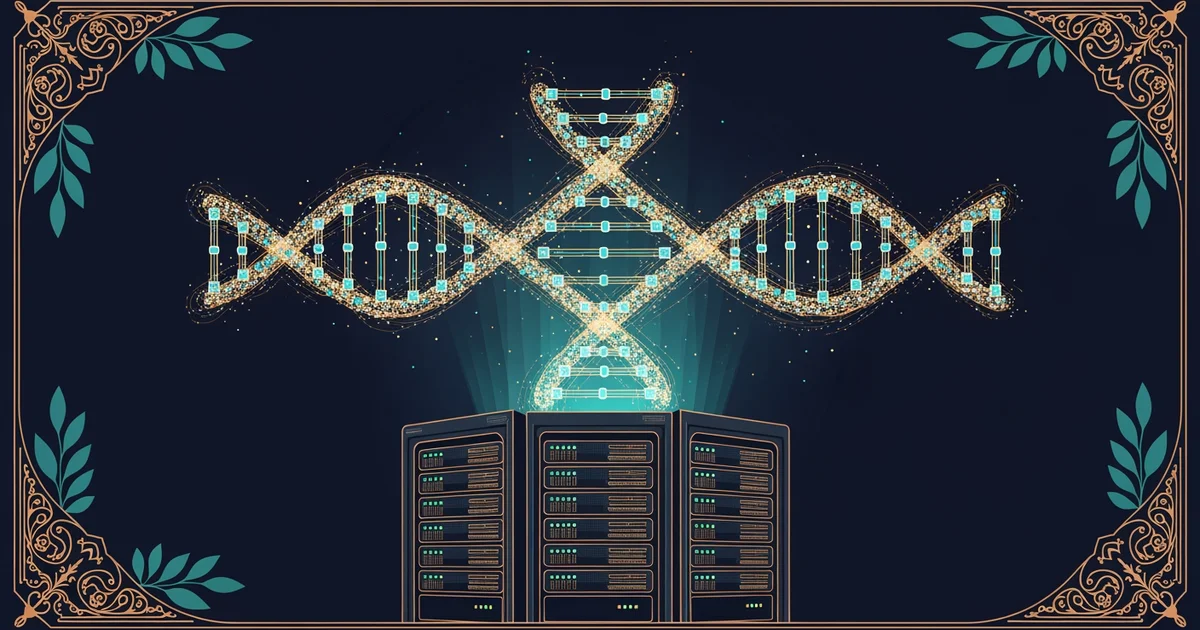
Protecting Genomic Privacy
When researchers analyze your unique genetic sequence, they are looking at the foundational blueprint that makes you who you are. This information is far more sensitive than a standard password because you cannot change your genes if they are leaked or stolen by malicious actors. Digital databases store millions of these sequences to help scientists find patterns that lead to new cures or personalized treatments for diseases. The challenge is that once this data enters a large network, it becomes difficult to track who accesses it or how they might use it later. Think of your genetic code like a key to a safe that stays the same for your entire life. If a hacker copies that key today, they will always have the potential to access your private health future.
Key term: Genomic data — the complete set of genetic instructions found in an organism that researchers use to understand health, traits, and disease risks.
Because this data is so permanent, we must implement strict rules regarding how companies store and share these digital files. Many platforms now use data anonymization to strip away names and addresses before they store genetic information in a shared research pool. However, experts warn that even without a name, a person can often be identified by cross-referencing their genetic markers with public family records. This reality forces us to reconsider if true anonymity is even possible in a world where every piece of digital information leaves a permanent trail. We are building a future where your biology is a product, and we must ensure that you remain the owner of that product at all times.
Ethical Dilemmas in Research
Beyond privacy, the way we use genetic data raises questions about fairness and potential discrimination in society. If an insurance company or an employer gains access to your genetic risks, they might treat you differently based on what they find in your code. This creates a dangerous power imbalance between those who hold the data and the people who provided it for research purposes. We must establish clear boundaries to ensure that computational power serves the public good rather than becoming a tool for exclusion. The following table highlights the risks associated with different types of genetic data access.
| Data Access Type | Primary Risk | Mitigation Strategy |
|---|---|---|
| Public Research | Re-identification | Strict access logs |
| Private Insurance | Discrimination | Legal protection laws |
| Targeted Marketing | Data exploitation | Informed consent forms |
We must also address the issue of informed consent, which is the process of ensuring participants understand exactly how their data will be used. Often, long legal forms hide the true scope of data sharing, leaving people unaware that their information might be sold to third-party companies. True ethics requires transparency, where every person knows how their contribution helps science and who gains from that knowledge. If we fail to build trust, the entire field of digital biology could stall because people will stop sharing the data that scientists desperately need to save lives.
Protecting individual privacy in digital biology requires balancing the urgent need for medical research with the fundamental right to control one's own genetic blueprint.
The next station will explore future frontiers research to see how we might solve these problems through emerging technologies.