
Ethics of Manipulation
Imagine a grocery store where the most expensive items sit exactly at your eye level. You likely grab these products because they are visible, even when cheaper options exist on lower shelves. This common retail strategy represents a subtle form of influence that shapes your choices without you realizing it. When businesses use these tactics, they often blur the line between helpful guidance and manipulative control over the consumer. We must explore the moral weight of these design choices to understand how they impact our daily autonomy.
The Boundary of Choice Architecture
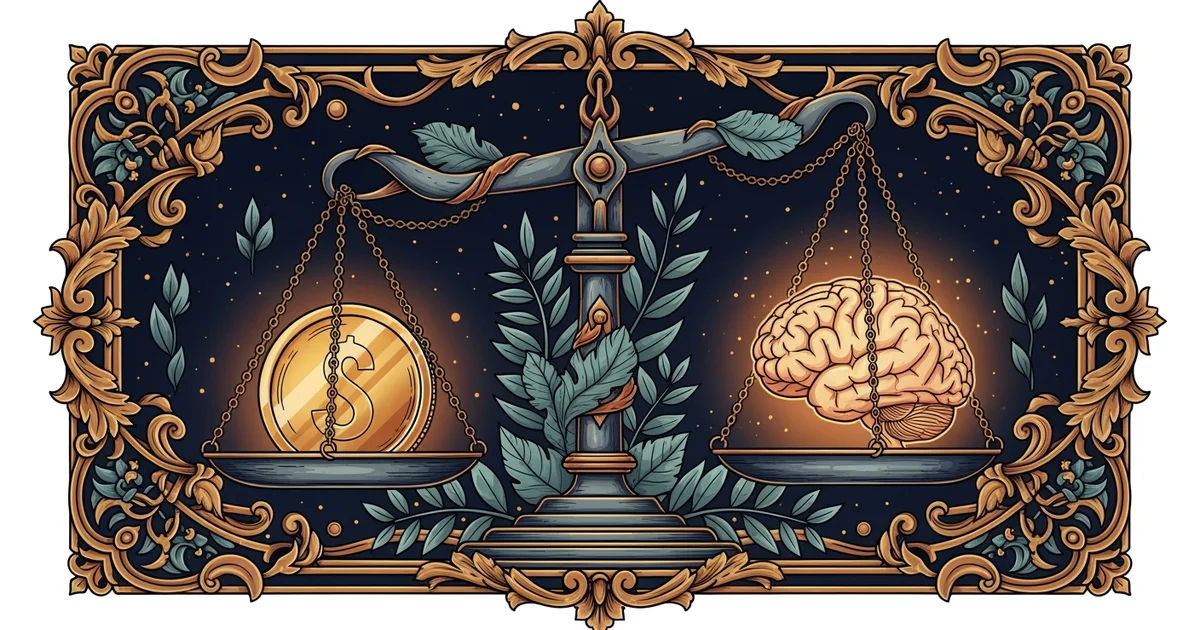
Designers create environments that steer people toward specific outcomes through a process called choice architecture. This framework organizes the context in which individuals make decisions to influence their final selections. While some architects use this to promote healthy habits, others use it to maximize corporate profits at the expense of the user. The ethical dilemma arises when the designer prioritizes their own gains over the well-being of the person making the choice. If a company hides critical information to force a sale, they shift from nudging to outright manipulation.
Key term: Choice architecture — the deliberate design of environments that influences how individuals make decisions by changing how options are presented.
Consider the analogy of a gardener who prunes a hedge to guide visitors along a specific path. If the gardener creates a beautiful, clear walkway that leads to a scenic view, the visitor feels guided toward a pleasant experience. However, if the gardener hides the path to the exit and forces the visitor to walk through a gift shop, the guidance becomes predatory. The intent of the designer dictates whether the intervention serves the user or exploits their natural cognitive biases. Behavioral economics highlights how these subtle changes in the environment alter our decision-making process significantly.
Ethical Implications of Behavioral Design
Previous stations explored how public policy design uses nudges to encourage voting or saving for retirement. These examples show that influence is not inherently evil, as it can help people align their actions with their stated goals. The tension exists when the goals of the designer and the user do not align. When businesses apply these same principles to sell unnecessary products, they exploit the same mental shortcuts that public policy uses for good. This creates a moral conflict for entrepreneurs who want to succeed without losing their integrity.
To evaluate the ethics of these designs, we should consider three main factors that determine if a tactic crosses the line into manipulation:
- Transparency of intent allows the consumer to understand why a specific option is being highlighted or suggested.
- Ease of opting out ensures the user retains control over their final decision without facing heavy penalties.
- Alignment with user interests confirms that the choice provides actual value rather than just serving the company.
These factors help distinguish between a helpful recommendation and a deceptive trap. A transparent system respects the user, while a deceptive one relies on confusion to drive profits. We must ask if the design empowers the individual or merely tricks them into a predictable response. This question is central to the future of decision science and responsible business practices. By balancing profit with ethics, entrepreneurs can build trust instead of short-term revenue. Our irrational choices are often predictable, but that predictability should not become a tool for exploitation. Understanding these dynamics helps us become more conscious participants in the modern marketplace, protecting our agency in an increasingly designed world.
True ethical design respects human autonomy by ensuring that influence serves the user's goals rather than exploiting their cognitive vulnerabilities for profit.
The next station examines how these decision-making insights will shape the future of technology and human behavior.