
System One vs System Two
You are driving down a quiet road when a ball suddenly rolls into your path. Without thinking, you slam on the brakes and bring the car to a safe stop instantly. This quick reaction happens before your conscious mind even processes what you saw on the street. Your brain relies on two distinct systems to navigate the world, and understanding them explains why you sometimes act on instinct while other times you struggle to solve a simple math problem.
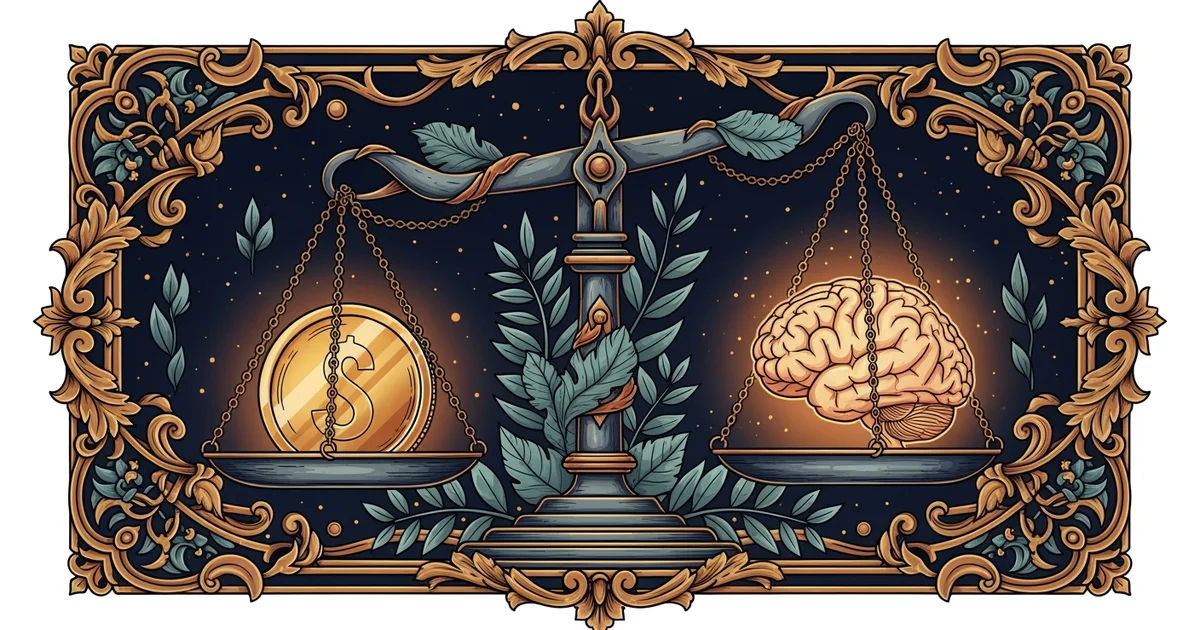
The Two Modes of Human Thought
Human cognition operates through a dual process framework that balances speed against accuracy in every situation. System One acts as your brain’s automatic pilot, handling routine tasks and emotional reactions without requiring any deliberate mental effort. It functions like a reflex, allowing you to recognize familiar faces or read simple sentences without stopping to analyze the individual parts. This system is always running in the background to ensure you can respond to immediate threats or basic needs with great speed. Because it values efficiency, it often relies on patterns and past experiences to make rapid judgments about the world around you.
In contrast, System Two serves as your conscious, effortful mode of thinking that kicks in when you face complex challenges. It requires active attention and deliberate focus to solve difficult problems, such as calculating a large tip or learning a new language. While System One provides constant, effortless impressions, System Two remains dormant until a situation demands deeper scrutiny or logical reasoning. This system is much slower and more taxing on your mental energy, which is why you often feel tired after a long day of intense mental work or high-stakes decision making.
Key term: Dual process theory — the psychological framework suggesting that human thought is split between an automatic, intuitive system and a slow, analytical system.
Navigating Choices and Mental Energy
Your brain constantly shifts between these systems based on the demands of your current environment and the complexity of the task. You can think of these systems like a driver and a navigator in a car during a long road trip. System One is the driver who keeps the car moving smoothly along familiar routes while reacting to traffic signals and road hazards. System Two is the navigator who studies the map, calculates fuel stops, and reroutes the journey when you encounter unexpected construction or detours. The driver handles the routine, but the navigator must step in whenever the path becomes unclear or requires a new strategy.
To see how these systems differ in practice, consider the following traits that shape how you process information every day:
- System One operates intuitively and quickly, generating immediate impressions that feel true even when they lack a logical basis.
- System Two functions through effortful logic, allowing you to override the impulsive reactions generated by your automatic system.
- System One consumes very little mental energy, which makes it the default mode for most of your daily choices.
- System Two requires significant cognitive resources, meaning your brain will naturally try to avoid using it whenever possible.
Because System Two is so demanding, your brain prefers to let System One handle as much as possible to conserve your limited mental reserves. This tendency explains why you might make a snap judgment about a person or a product based on a first impression rather than looking at all the available data. When you are tired, hungry, or distracted, your ability to activate System Two decreases, leaving you more reliant on the shortcuts provided by your automatic, intuitive side. Learning to recognize when you are using System One versus System Two is the first step toward making better, more informed decisions in your personal and professional life.
Human decision making stems from an automatic, fast-acting system that saves energy and a deliberate, slow-acting system that ensures logical accuracy.
Now that you understand the two systems of thought, we will explore how your brain uses mental shortcuts to simplify complex choices.