
Heuristics and Shortcuts
You walk into a grocery store and grab the first brand of cereal you recognize because you are in a rush. This simple act relies on mental shortcuts that help you navigate a world filled with endless choices. Your brain cannot process every tiny detail of every single item on the shelf. Instead, it uses clever filters to save energy and time during your busy day. These filters allow you to function without becoming overwhelmed by the massive amount of information you face.
Understanding Mental Shortcuts
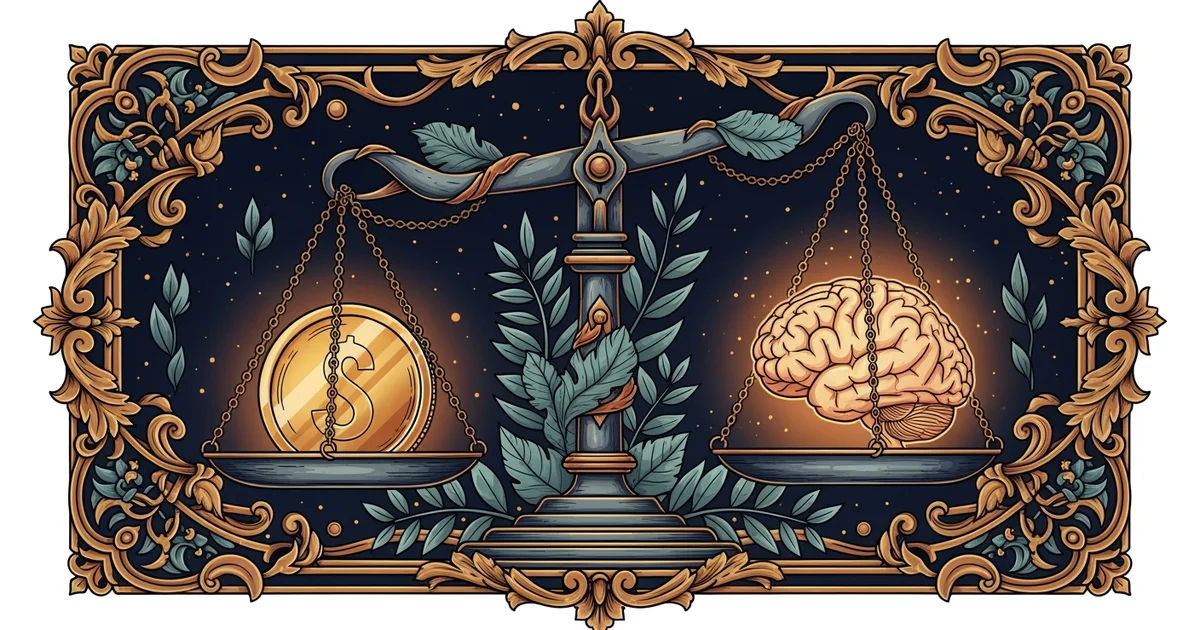
These automatic processes are known as heuristics, which act as efficient rules of thumb for decision making. Think of your brain like a busy chef who uses pre-chopped vegetables to save time during a dinner rush. While the chef could cut every vegetable from scratch, using pre-cut options gets the meal to the table much faster. Similarly, your brain uses these shortcuts to make quick judgments about people, products, or situations. These tools are usually helpful, but they can sometimes lead to errors in judgment.
Key term: Heuristics — simple mental strategies that allow humans to form judgments and make decisions quickly.
When you rely on these shortcuts, you are essentially trading perfect accuracy for speed. You might assume that a more expensive item is always higher quality because your brain links price with value. This is a common shortcut that works in many situations, but it can occasionally lead you to overpay for a basic product. Your brain prioritizes survival and efficiency over deep analysis because it assumes that quick action is better than being paralyzed by too much information.
Common Patterns in Daily Life
Many of our daily choices follow predictable patterns that show how we simplify complex reality. We often lean on past experiences to guide our current actions without realizing the impact of those habits. By categorizing information into groups, we can act faster than if we started from zero every time. This process is essential for learning, yet it requires us to stay aware of how our biases might influence our results. The following table highlights three common ways our minds simplify the world around us.
| Shortcut Type | How It Works | Common Example |
|---|---|---|
| Availability | Judging by recent memory | Fearing plane crashes over car wrecks |
| Anchoring | Relying on the first number | Thinking a sale price is a bargain |
| Representing | Matching a stereotype | Assuming a person is a specific job |
These patterns show that our brains are constantly trying to find the easiest path forward. By understanding these tendencies, you can begin to recognize when your mind is taking a shortcut instead of looking at the facts. You might notice yourself choosing a familiar brand simply because you saw an advertisement for it yesterday. This is the availability shortcut in action, as your brain treats the most recent memory as the most important one. Recognizing these habits is the first step toward making more intentional decisions in your personal and professional life.
Beyond these patterns, we often use social cues to simplify our choices in group settings. If you see a long line outside a new restaurant, you might assume the food is excellent. This shortcut assumes that the crowd knows something you do not, so you join the line without checking reviews. While this can lead to a great meal, it can also lead you into a trap where you follow others blindly. Balancing these shortcuts with careful thought is a skill that improves over time as you gain more experience.
- Availability bias occurs when we rely on the most recent information we heard, even if that data is not the most accurate or relevant for our current problem.
- Anchoring bias happens when we focus too heavily on the first piece of information we receive, which then colors all subsequent judgments we make about a specific situation.
- Representativeness bias involves judging a situation based on how well it matches our existing mental categories, often causing us to ignore statistical facts in favor of simple stereotypes.
By keeping these concepts in mind, you can start to question your gut feelings when they arise. Developing this awareness helps you move from automatic responses to thoughtful choices that align with your long-term goals. This practice does not mean you should ignore your intuition entirely, but rather that you should verify it when the stakes are high.
Mental shortcuts allow for rapid decision making by prioritizing efficiency over perfect accuracy, which creates both speed and potential blind spots.
Next, we will explore how these shortcuts lead us to feel the sting of loss more deeply than the joy of gain.