
Clinical Therapeutic Potential
When doctors at a major Boston hospital recently treated a patient for a severe intestinal infection, they moved beyond standard antibiotics to restore balance. They used a procedure that introduced healthy donor microbes into the patient to outcompete the harmful intruders and stabilize the ecosystem. This real-world event demonstrates the practical application of the microbiome therapy concept, which treats the gut as a living ecosystem rather than just a simple organ system. By focusing on the gut-brain axis, medical professionals now aim to influence mental health outcomes through targeted biological interventions.
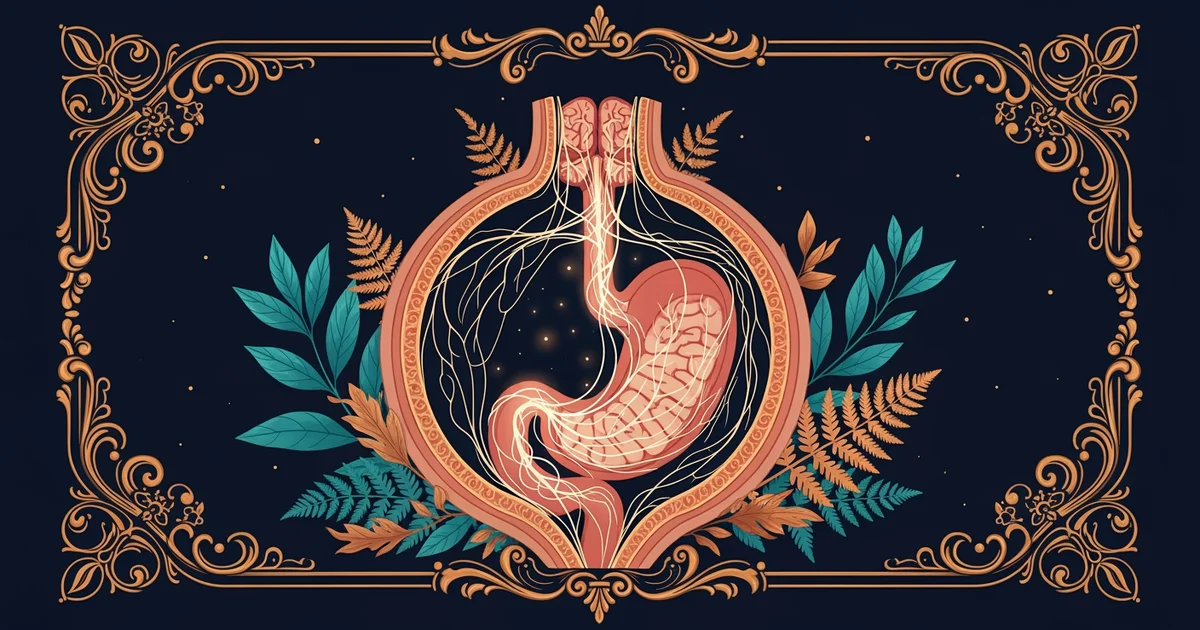
Therapeutic Approaches to Bacterial Balance
Medical practitioners currently explore several ways to modify the gut environment to improve patient health and cognitive function. One primary method involves the use of probiotics, which are live microorganisms that provide health benefits when consumed in adequate amounts. These supplements act like a fleet of specialized workers arriving to repair a damaged infrastructure, ensuring that beneficial bacteria maintain dominance over harmful strains. When these workers occupy the necessary space, they prevent pathogens from gaining a foothold, which stabilizes the chemical signals sent to the brain. This approach mirrors a city council hiring new maintenance crews to fix neglected roads, ensuring that vital traffic flow continues without disruption or dangerous accidents.
Key term: Microbiome therapy — the clinical practice of altering the gut microbial composition to treat or prevent specific physical and mental health conditions.
Another significant avenue for treatment focuses on providing the right fuel for existing beneficial bacteria to thrive and multiply. These substances, known as prebiotics, are non-digestible food components that selectively stimulate the growth of healthy gut flora. By feeding the good bacteria, doctors can indirectly influence the production of neurotransmitters that regulate mood and stress responses. This strategy functions like an economic stimulus package, where targeted funding encourages productive sectors to expand, eventually leading to a stronger and more stable overall economy. The goal remains to create a self-sustaining environment where the gut naturally produces the chemicals needed for optimal brain function.
Future Directions in Clinical Medicine
Researchers are currently investigating how specific bacterial strains might serve as targeted treatments for various neurological disorders. The following table outlines the potential medical applications currently under rigorous scientific investigation by clinical teams worldwide:
| Therapeutic Target | Mechanism of Action | Expected Health Outcome |
|---|---|---|
| Chronic Anxiety | Serotonin production | Reduced nervous tension |
| Cognitive Decline | Inflammation control | Improved mental clarity |
| Sleep Disorders | Melatonin regulation | Better rest cycles |
These treatments rely on the understanding that the gut and brain communicate through complex chemical pathways that require precise balance. If the bacterial population shifts, the signals sent to the brain change, often resulting in negative psychological effects. By carefully managing these populations, clinicians hope to reverse these trends and restore normal signaling patterns.
- Doctors identify the specific bacterial imbalance causing the patient's symptoms.
- Therapists introduce beneficial microbes or specific prebiotics to restore the natural ecosystem.
- Patients monitor their mood and physical health as the bacterial balance stabilizes over time.
- Clinicians adjust the dosage or type of intervention based on the patient's ongoing physiological response.
This structured process ensures that the treatment remains safe and effective while minimizing potential side effects. As the field advances, doctors may soon prescribe specific microbial diets as commonly as they currently prescribe vitamins or basic medications for common ailments. The transition from reactive medicine to proactive ecosystem management represents a major shift in how we approach human health and long-term well-being.
Managing the gut ecosystem through targeted biological interventions offers a promising path to treating complex mental health conditions by restoring the natural chemical balance required for brain function.
But this clinical model faces significant challenges when individual genetic differences and environmental factors disrupt the predictability of bacterial colonization.