
Vagus Nerve Signaling
Your body constantly maintains a private conversation between your stomach and your brain. This vital link remains active even when you are sleeping or resting quietly.
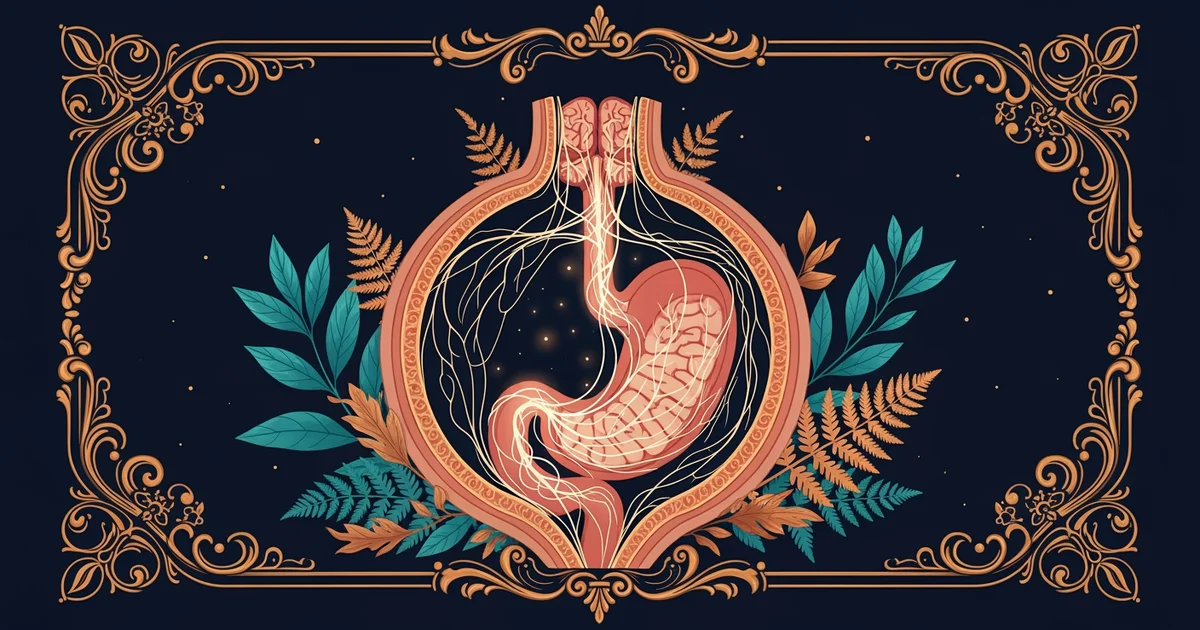
The Anatomy of the Neural Highway
The vagus nerve functions as the primary physical bridge between your digestive organs and your brain. It acts like a massive information highway that carries data in both directions throughout your body. Most people think of the brain as the sole commander of human movement and thought. However, the gut sends more information upward to the brain than it receives from it. This nerve originates in the brainstem and travels downward through the neck into the chest and abdomen. It branches out to connect with your heart, lungs, and stomach to monitor their status. Think of this nerve as a dedicated fiber optic cable connecting two major computer servers. The cable ensures that the central processing unit receives instant updates about the status of the local systems. If the gut detects a problem, the nerve sends an immediate signal to the brain for review. This process happens automatically without any conscious effort from your mind during your daily life.
Signaling Mechanisms and Biological Feedback
Signals travel along this path through a combination of chemical and electrical impulses. When your gut cells sense specific nutrients or potential toxins, they release tiny chemical messengers into the local area. The vagus nerve senses these chemicals and converts them into electrical pulses that travel to the brain. This conversion process is essential because the brain only processes information through rapid electrical firing patterns. Without this translation, your brain would have no way to interpret the chemical data from your digestion. You can imagine this system like a remote weather station that measures wind speed and temperature. The station records physical changes and then transmits that data to a central office via radio waves. Similarly, the nerve translates the chemical environment of your gut into a digital language for your brain. This constant stream of data helps your brain decide whether to increase energy or signal a need for rest.
Key term: Vagus nerve — the primary bundle of neural fibers that transmits sensory data from the gut to the brain and back.
This bidirectional communication ensures that your body remains in a state of balance during stress. When you experience intense anxiety, your brain sends signals down this nerve to slow down digestion. This reaction prioritizes immediate physical safety over the long-term process of breaking down your lunch. Conversely, a healthy gut microbiome sends positive signals upward to promote feelings of calm and mental clarity. This relationship is why you might feel a knot in your stomach during a stressful event. The gut is literally reacting to the electrical commands sent down from your brain via the nerve.
Mapping the Signals
The following table illustrates how different gut signals influence your overall physical state through this nerve path.
| Signal Type | Origin | Primary Effect on Brain |
|---|---|---|
| Nutrient | Stomach | Satiety and satisfaction |
| Inflammatory | Gut | Mental fatigue or mood shift |
| Mechanical | Intestine | Awareness of fullness |
Each of these signals requires the nerve to function correctly to maintain your mood. If the nerve pathway becomes blocked or damaged, your brain may lose track of your gut health. This loss of information can lead to digestive issues or persistent changes in how you feel each day. Scientists study this path to understand why some people struggle with mood regulation based on their diet. By maintaining a healthy environment in your gut, you support the quality of the signals traveling upward. This creates a feedback loop where good nutrition improves your mental state through clearer neural communication. Your brain relies on this accurate data to regulate everything from your heart rate to your emotional responses.
The vagus nerve serves as the primary communication channel that allows your gut to influence your brain through constant electrical and chemical signaling.
The next Station introduces chemical messenger systems, which determine how these signals influence your long-term health and behavior.