
Diversity of Microbes
Imagine your digestive system as a bustling city where millions of tiny workers maintain the infrastructure every single day. Just as a city needs diverse professionals like plumbers, electricians, and chefs to function well, your gut relies on a wide variety of microscopic residents to keep your body running smoothly. These tiny organisms, which we call the microbiome, are not just passive passengers in your digestive tract. They are active participants that interact with your brain, influence your mood, and help you digest the food you consume during your busy daily life.
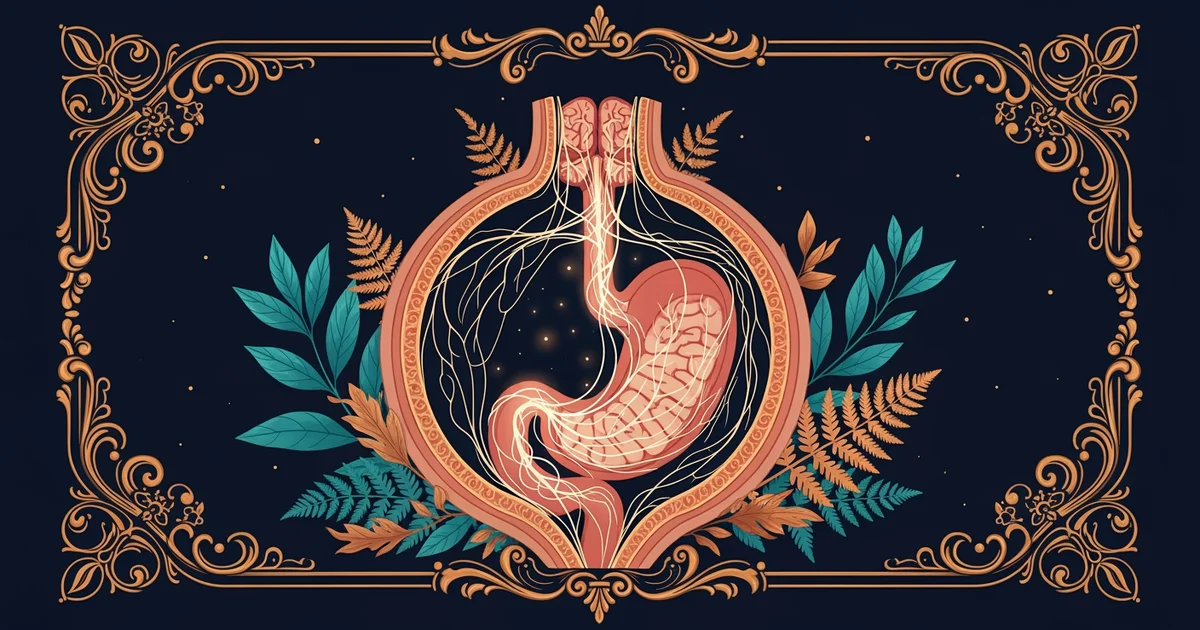
The Landscape of Microbial Diversity
When we look at the composition of your gut, we find that it is not dominated by one single type of organism. Instead, it is a complex ecosystem where different groups of bacteria coexist in a delicate, shifting balance that supports your overall health. This diversity is similar to how a healthy economy relies on different industries to thrive; if one sector fails, others can often compensate to keep the system moving forward. Scientists classify these massive populations of bacteria into large groups known as phyla, which act like the major branches of a family tree for microscopic life. Understanding these branches helps researchers see how your internal environment changes based on the foods you eat or the lifestyle choices you make.
Key term: Microbiome — the vast community of trillions of bacteria and other microbes that live inside your digestive tract and interact with your body systems.
Within this diverse population, three main phyla represent the vast majority of the bacteria residing in your gut. These groups have distinct roles and preferences, meaning your personal microbial makeup is as unique as your own fingerprint. Because each person hosts a slightly different ratio of these groups, your body responds to the world in ways that are entirely specific to you. By focusing on these three major categories, we can begin to see how the smallest parts of your body contribute to the largest aspects of your daily human experience.
Categorizing the Gut Flora
To better understand how these tiny residents operate, we can look at the three most common bacterial phyla that populate the human gut. Each group contributes to the stability of your internal environment in its own special way, ensuring that your gut remains a productive place for digestion and signaling.
- Firmicutes are a very large group of bacteria that help break down complex carbohydrates and fibers, turning them into energy that your body can easily absorb and use.
- Bacteroidetes act as essential partners in the gut by managing the breakdown of proteins and other complex molecules, which helps maintain a balanced and healthy digestive environment.
- Actinobacteria represent a smaller but vital portion of the population, often supporting the protective lining of the gut and helping to regulate the overall immune response of your system.
These groups work together in a complex network, constantly communicating with each other through chemical signals that influence the entire digestive tract. This communication is not just internal; it extends to your brain, which receives constant updates about the status of your gut ecosystem. When the balance between these groups is healthy, your brain receives positive feedback that can help stabilize your mood and energy levels throughout the day. If the diversity drops, the signals sent to your brain may change, which is why maintaining a wide variety of microbes through a balanced diet is so important for your mental well-being.
Think of your gut like a garden where you want to grow many different types of plants to keep the soil rich and healthy. If you only plant one type of flower, the garden becomes vulnerable to pests or changes in the weather that might kill off everything at once. By encouraging a diverse range of bacterial species, you ensure that your internal garden is resilient enough to handle stress, illness, or changes in your diet. This resilience is the foundation of your health, allowing you to adapt to new challenges while keeping your gut-brain connection strong and reliable. Every meal you eat acts like a watering can, providing the specific nutrients that help your favorite microbial species grow and thrive in your unique internal environment.
A healthy gut relies on a diverse community of microbial groups that work together to support digestion and send positive signals to your brain.
Now that you understand the variety of microbes in your gut, we will explore how they send messages to your brain through the vagus nerve.