
Metabolic Byproduct Functions
Imagine your digestive system functions like a busy city factory that produces power for your entire body. While you provide the raw materials through the food you eat, your resident bacteria act as the specialized workers who process these supplies into usable fuel. These tiny microbes perform complex tasks that your own human cells cannot accomplish alone. When they break down fibers that you cannot digest, they create powerful molecules that keep your internal systems running smoothly. Understanding these chemical outputs reveals how your gut health directly supports your daily energy levels and your overall physical mood.
The Role of Short Chain Fatty Acids
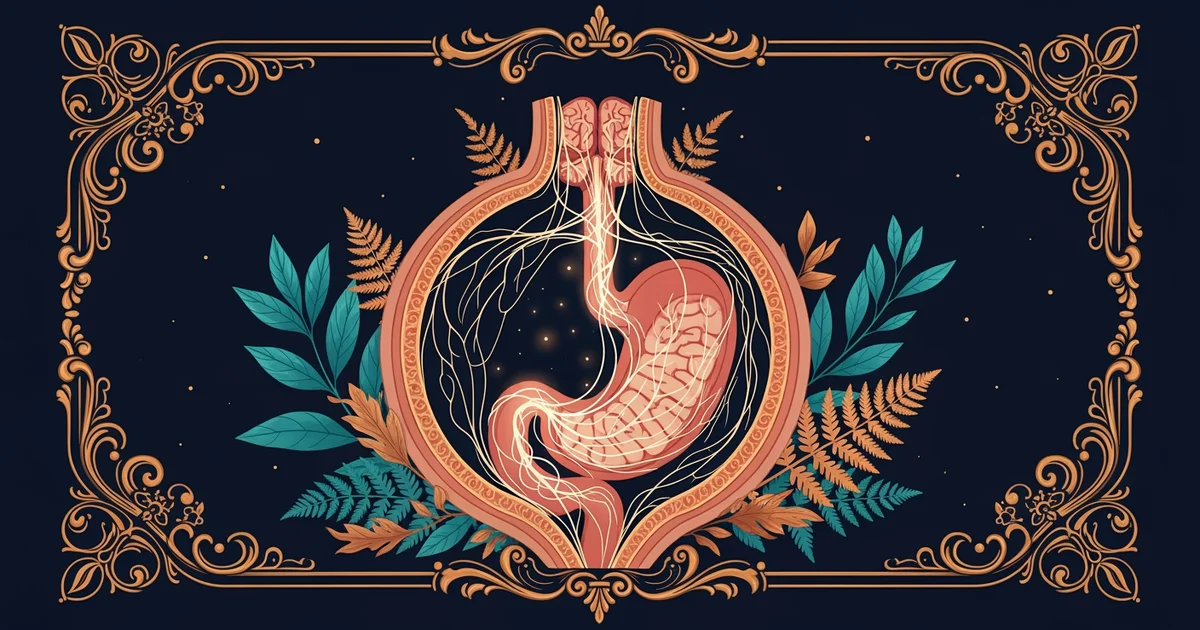
When your gut bacteria ferment dietary fiber, they generate specialized compounds known as short chain fatty acids. These molecules serve as the primary fuel source for the cells lining your colon wall, ensuring that your digestive barrier remains strong and healthy. Think of these acids like the local power grid for your gut, providing electricity to keep the city lights on and the infrastructure intact. Without this consistent supply of energy, the lining of your gut would struggle to maintain its protective role. These acids also travel through your bloodstream to influence organs far away from your stomach, including your brain, where they help regulate how you feel and think. By converting waste into fuel, your bacteria ensure that your body does not waste valuable energy.
Key term: Butyrate — a specific type of short chain fatty acid that provides the main energy supply for colon cells while reducing internal inflammation.
Energy Production and Metabolic Balance
Your body relies on these bacterial byproducts to maintain a stable environment that supports long-term health. The process of creating energy from fiber is a delicate balancing act that requires a diverse community of microbes working in harmony. If your diet lacks enough plant fibers, your bacterial workers lack the raw materials needed to produce these essential fatty acids. This shortage is similar to a factory running out of fuel, which forces the facility to slow down or even stop its production lines entirely. When production drops, your gut lining becomes weaker and more vulnerable to damage from outside influences. Keeping your gut bacteria well-fed with fiber helps them maintain a steady output of these vital energy molecules, which keeps your internal systems functioning at their peak capacity.
| Function | Impact on Body | Result of Deficiency |
|---|---|---|
| Energy Supply | Fuels colon cells | Weakened gut lining |
| Inflammation Control | Calms immune response | Increased body stress |
| Signaling | Communicates with brain | Mood and focus shifts |
These byproducts influence your health through several key mechanisms:
- They strengthen the intestinal barrier by providing direct energy to the cells that create a protective shield against unwanted toxins.
- They modulate immune responses by sending chemical signals that prevent your body from overreacting to harmless substances in your digestive tract.
- They interact with the nervous system by crossing into the bloodstream, which helps stabilize your mood and improves your general cognitive function.
By managing these metabolic pathways, your body ensures that your energy supply remains constant regardless of your immediate environment. This internal efficiency is the reason why a healthy gut is so important for your focus and your physical stamina. When you understand how these byproducts operate, you can make better choices about the food you provide to your microscopic partners. Your daily habits act as the supply chain for these tiny workers, and your choices directly impact the quality of the fuel they produce for you.
Healthy gut bacteria create essential energy molecules from fiber that nourish your body and stabilize your mood.
The next Station introduces neural integration processes, which determine how these chemical signals communicate with your brain.