
Chemical Messenger Systems
Your gut acts like a massive chemical factory that sends messages to your brain every single day. Most people think the brain controls the body, but your stomach is actually a silent partner in your mood.
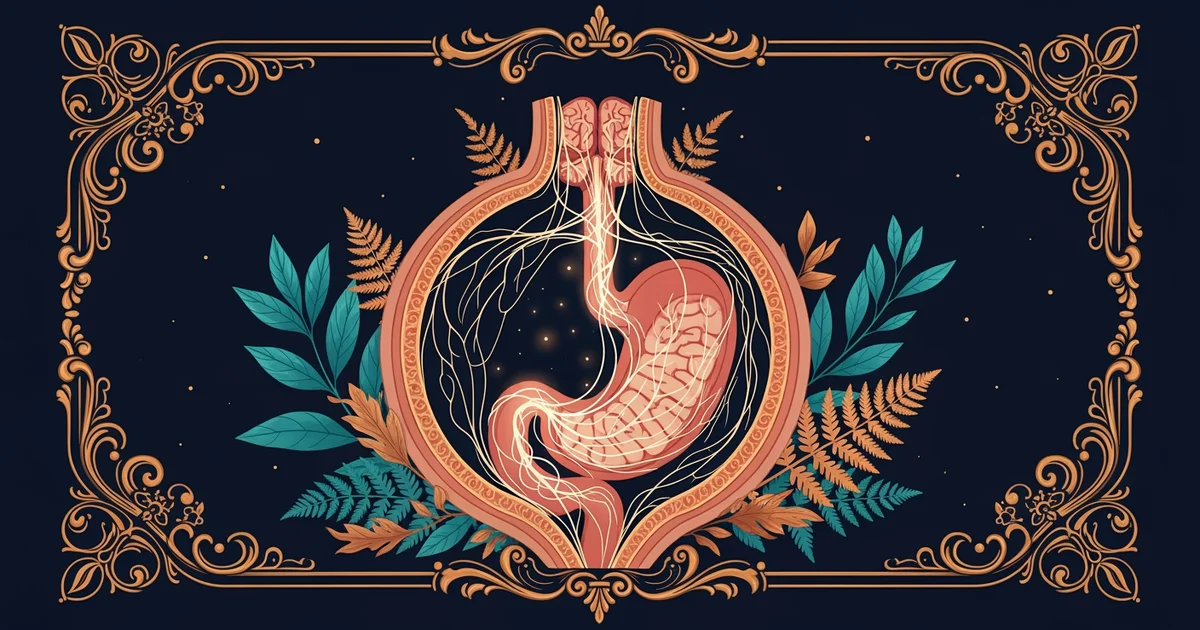
The Production of Gut Signals
Your digestive tract produces a wide range of chemicals that travel through your blood to reach the brain. These chemicals act like tiny couriers delivering packages of information about your physical state. When your gut senses specific foods or bacteria, it triggers the release of these messengers into the bloodstream. This process is essential for maintaining your internal balance, which scientists often call homeostasis. Without these constant updates, your brain would remain unaware of the fuel levels or potential toxins currently inside your digestive system. Think of your gut as an office manager who sends daily reports to the CEO, which is your brain. If the manager sends the wrong report, the CEO makes poor decisions about how to spend energy or manage stress. This continuous flow of data ensures that your mental state matches your physical reality, allowing you to react quickly to changes in your environment.
Key term: Serotonin — a chemical messenger that regulates mood, sleep, and appetite, with the vast majority produced within the gut rather than the brain.
Understanding Chemical Messengers
Because your gut produces most of the body's supply of this specific neurotransmitter, it plays a massive role in your emotional health. Many people assume that their feelings originate entirely within the skull, but the gut provides the foundation for these sensations. When the bacteria in your stomach interact with your food, they influence the production of these vital chemical messengers. You can compare this to a complex economic system where the gut acts as the primary supplier of a currency that the brain spends. If the supply chain experiences a disruption, the brain faces a shortage of the resources it needs to maintain a stable mood. This is why a healthy diet often leads to a more stable emotional state, as you are providing the raw materials needed for these messengers to thrive. By supporting the microbial life in your stomach, you are essentially investing in the stability of your own mental health and daily focus.
| Chemical | Primary Function | Source Site | Impact on Brain |
|---|---|---|---|
| Serotonin | Mood regulation | Gut lining | Calming effect |
| Dopamine | Reward signaling | Gut bacteria | Motivation boost |
| GABA | Stress reduction | Gut microbes | Anxiety control |
This table highlights the diverse range of messengers produced within the digestive environment. Each of these chemicals serves a distinct purpose in helping the brain interpret the state of the body. While the brain is responsible for complex thought, it relies heavily on these gut-derived signals to set the baseline for your emotional well-being. When you eat fiber-rich foods, you feed the microbes that help synthesize these chemicals, which directly improves your ability to manage stress and stay motivated throughout the day. This connection shows that your mental health is not just about your thoughts, but also about the biological environment you cultivate within your own stomach.
The chemical messengers produced in your gut serve as the essential foundation for your brain to regulate mood, energy, and overall emotional stability.
The next Station introduces Immune System Interactions, which determines how gut bacteria influence your body's defense mechanisms.