
Stress and Microbiota
When a student faces a high-stakes final exam, the sudden feeling of butterflies in the stomach is a physical response to mental pressure. This familiar sensation highlights the direct link between our thoughts and our digestive systems. We often view stress as a purely mental state, yet it triggers a cascade of chemical changes throughout the body. These changes directly interact with the trillions of microbes living inside our intestines. Understanding this connection helps us manage how our bodies react to the challenges of daily life.
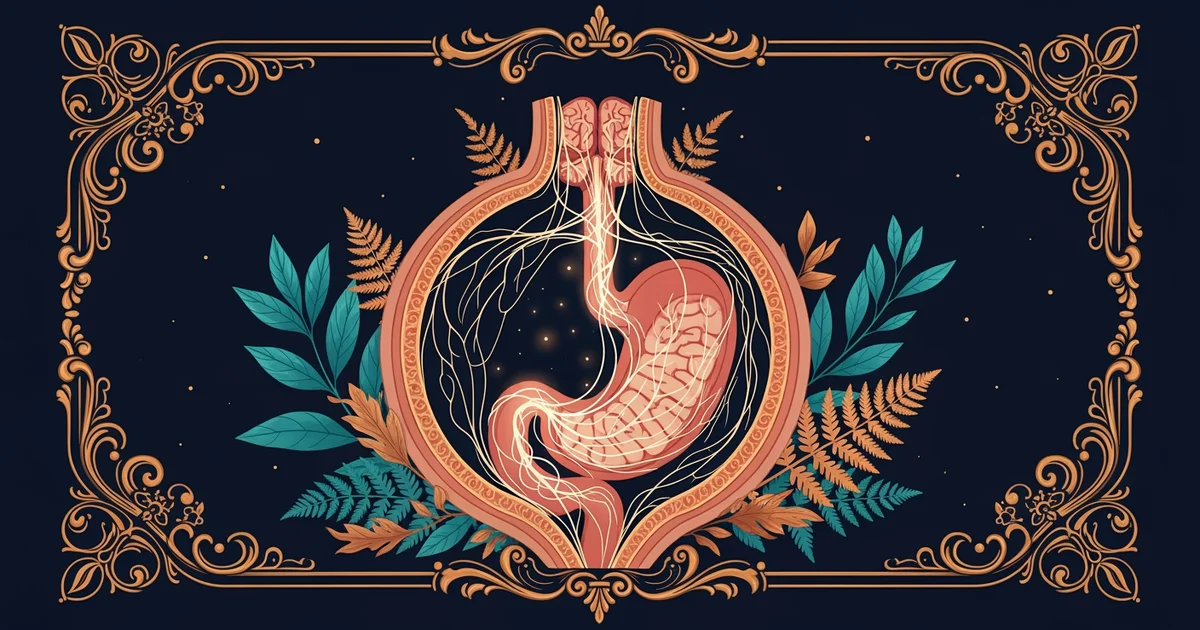
The Biological Pathway of Stress
Stress initiates a rapid response throughout the body by activating the hypothalamic-pituitary-adrenal axis. This system acts like a master control switch that releases hormones like cortisol into the bloodstream. When these hormones reach the gut, they alter the environment where our beneficial bacteria reside. Think of your gut microbiome as a delicate garden that requires stability to thrive. Constant stress acts like a harsh storm that disrupts the soil and forces the plants to struggle for survival. This shift in the environment can reduce the diversity of your gut flora, which often leads to poor digestion or a weakened immune system.
Key term: Hypothalamic-pituitary-adrenal axis — the complex network of glands that manages the body's reaction to stress by releasing hormones.
When the balance of these microbes changes, the gut sends signals back to the brain through the vagus nerve. This nerve serves as a biological highway that allows the gut and brain to exchange constant updates. If the gut environment is chaotic due to stress, it may send signals that increase feelings of anxiety or tension. This creates a feedback loop where stress affects the gut, and the gut then reinforces the stress response in the brain. Breaking this cycle requires intentional actions that calm both the mind and the digestive system.
Managing the Gut-Brain Connection
Scientists have observed that specific activities can help stabilize the microbiome during periods of intense pressure. These techniques work by lowering the levels of stress hormones, which allows the gut environment to return to a balanced state. Incorporating these habits can improve your overall resilience when facing difficult situations at school or home.
| Technique | Primary Mechanism | Impact on Microbiota |
|---|---|---|
| Deep Breathing | Activates vagus nerve | Reduces cortisol levels |
| Fiber Intake | Feeds healthy bacteria | Increases microbial diversity |
| Regular Sleep | Regulates body rhythms | Prevents flora disruption |
We can categorize the most effective ways to support our gut health through these three primary pillars:
- Mindful movement helps the body process stress hormones more efficiently, which prevents those hormones from lingering in the gut environment for too long.
- Consistent sleep patterns allow the gut to perform essential maintenance tasks, ensuring that the microbial community remains strong and capable of resisting stress.
- Balanced nutrition provides the necessary fuel for beneficial bacteria to produce compounds that protect the gut lining against the negative effects of cortisol.
These strategies serve as a buffer against the physical toll of mental strain. By treating your microbiome with the same care as your mental health, you create a stronger foundation for your physical well-being. This is the application of the gut-brain axis from Station 1 working in real conditions. When we intentionally lower our stress, we are actually creating a healthier habitat for the tiny organisms that support our daily mood and energy levels.
Managing stress through lifestyle habits directly protects the balance of your gut microbiome, which in turn helps stabilize your mood and physical health.
But this model breaks down when chronic inflammation from other health issues overrides the positive impact of these simple stress-reduction techniques.
Go Deeper · Amazon
Keep going with Gut Health Guide For Students
Browse Gut Health Guide For Students on Amazon ↗As an Amazon Associate we earn from qualifying purchases. #ad