
Barrier Integrity Maintenance
Imagine your digestive tract as a secure castle wall protecting your inner kingdom from outside invaders. When the stones of this wall fit tightly together, you remain safe and healthy throughout your day. If these stones shift or crack, unwanted materials can slip through the gaps and enter your system. This process is how your body manages the delicate balance of protection and nutrient absorption.
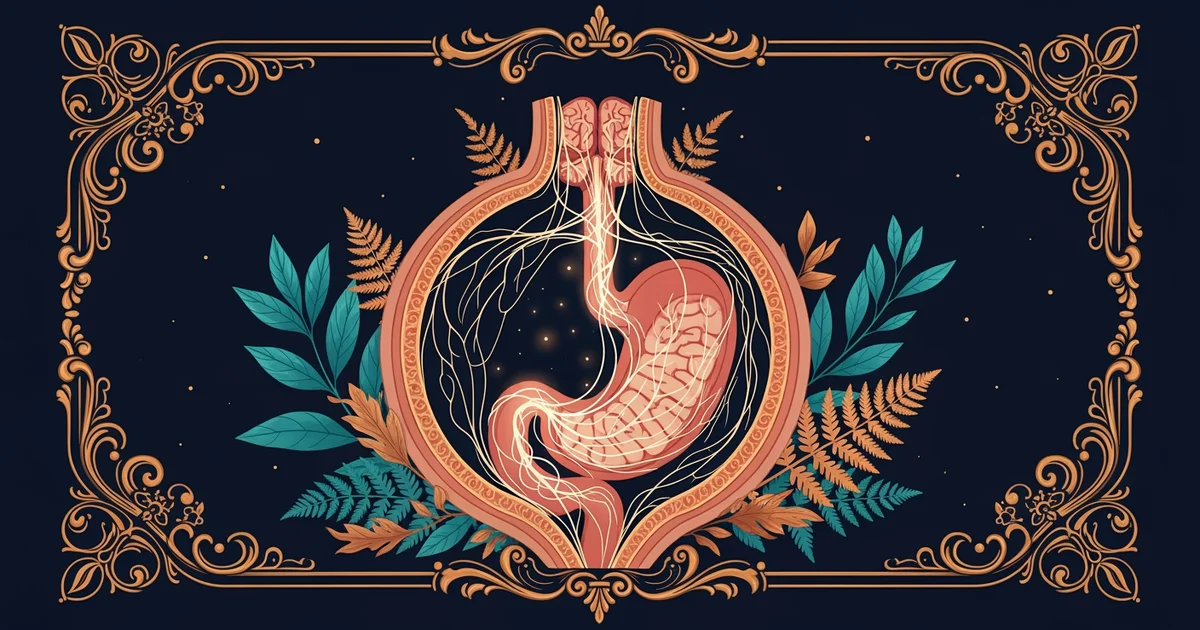
The Architecture of the Gut Lining
The lining of your intestine acts as a sophisticated filter that manages what enters the bloodstream. This structure consists of a single layer of cells that stay connected through specialized protein bridges. These bridges, known as tight junctions, act like the mortar between bricks in a sturdy wall. When these junctions function properly, they allow water and nutrients to pass into the body while blocking harmful toxins. If the junctions weaken, the wall loses its structural integrity and allows large, undigested particles to leak through into the bloodstream. This condition causes the immune system to react as if it were under attack.
Maintaining these junctions is similar to managing a busy toll booth on a major highway system. The toll booth operators must check every vehicle carefully to ensure only authorized traffic enters the city. If the operators become distracted or the gates break, unauthorized vehicles create traffic jams and chaos in the streets. Your gut cells perform this same duty by regulating the flow of molecules into your internal environment. When the cells remain healthy, the traffic flows smoothly and your body receives the fuel it needs for energy. When the barrier fails, your body struggles to maintain order and focus.
Factors Influencing Barrier Health
Several environmental factors influence how well your gut barrier holds up against daily stress and diet. The tiny bacteria residing in your colon play a vital role in keeping these junctions tight and strong. These microbes produce specific substances that nourish the cells lining your digestive tract every single day. Without this constant support, the cells may starve and lose their ability to maintain the structural barrier. Lifestyle choices also impact this delicate system in profound ways by either supporting or undermining the cellular health.
| Factor | Impact on Barrier | Mechanism of Action |
|---|---|---|
| Fiber | Positive | Feeds beneficial gut microbes |
| Stress | Negative | Increases cortisol and weakens junctions |
| Sleep | Positive | Allows for cellular repair and recovery |
Key term: Intestinal permeability — the condition where the gut lining becomes too porous, allowing substances to pass into the bloodstream.
To keep your internal barrier strong, consider these essential habits for gut health:
- Eating diverse plant foods provides the necessary fuel for bacteria to create protective compounds that reinforce your gut lining.
- Managing chronic stress levels prevents the release of hormones that can physically pull apart the tight junctions between your cells.
- Getting enough restorative sleep each night gives your body the time required to repair the microscopic wear on your tissues.
By focusing on these three areas, you support the physical structure of your gut barrier and prevent unwanted particles from entering your system. A healthy gut barrier serves as the first line of defense for your entire body, ensuring that your immune system does not overreact to harmless food particles. When you prioritize these habits, you foster a stable environment that supports both your physical health and your mental clarity. Your gut lining is not just a passive tube but an active, responsive guardian of your well-being.
A healthy gut barrier relies on strong cellular connections maintained by beneficial bacteria and balanced lifestyle habits to protect your internal system.
Now that we understand how the gut barrier is maintained, how do different types of food directly change this fragile environment?