
Digestive Processing
Imagine you are running a complex factory that receives raw materials and must refine them into usable energy for the entire plant. Your body functions exactly like this factory when you consume food, as it breaks down complex structures into basic building blocks for cellular growth. This transformation process relies on a precise sequence of events that begins the moment you take your first bite. Efficient processing is vital because your cells cannot use whole food pieces, so they must be dismantled into tiny, absorbable molecules.
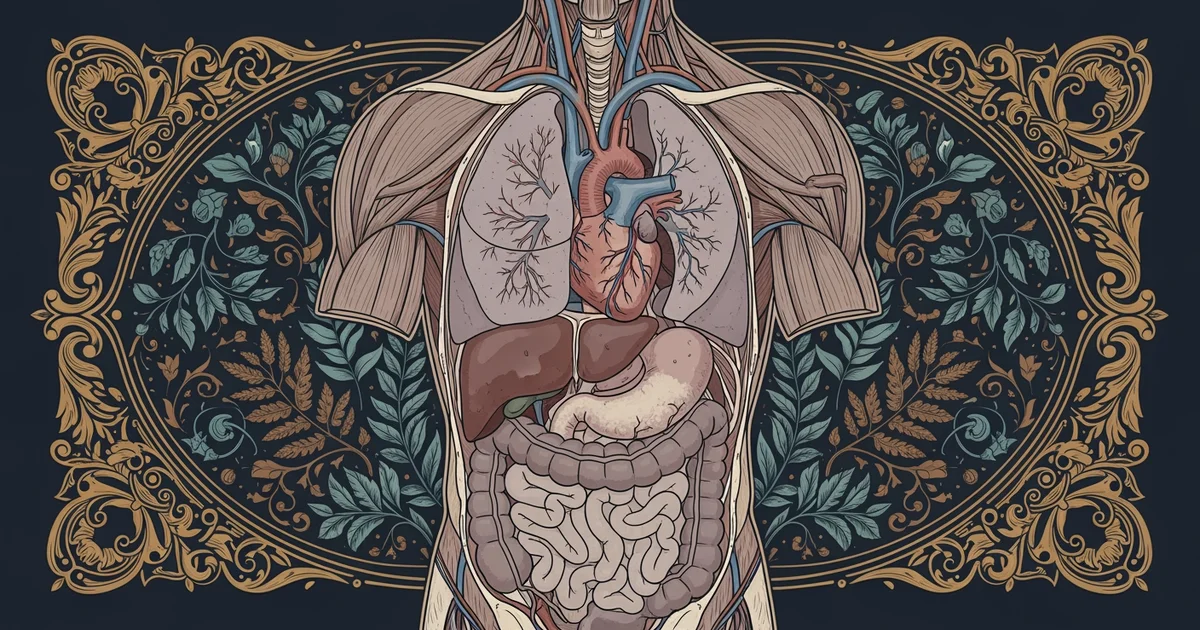
The Alimentary Canal Operations
The digestive system operates through a long, muscular tube called the alimentary canal, which spans from the mouth to the exit point. This tube acts like a conveyor belt in a factory, moving contents forward while different stations perform specific mechanical and chemical tasks. When food enters the mouth, the mechanical breakdown starts through chewing, while enzymes begin the chemical work of splitting starch chains. This initial stage is crucial because it creates a manageable surface area for later digestive enzymes to work upon efficiently. If the food remains in large chunks, the chemical processing stages further down the line will struggle to extract the necessary nutrients.
Once the food reaches the stomach, it encounters a highly acidic environment that serves as a sterilization and breakdown zone. The stomach muscles churn the food into a thick liquid, which allows the digestive juices to coat every part of the mixture thoroughly. This process is similar to how a blender mixes ingredients to ensure that every drop of liquid is consistent in texture and chemical composition. After the stomach completes its work, the resulting mixture moves into the small intestine, where the most important stage of nutrient extraction occurs. The small intestine uses a massive surface area to pull vitamins, minerals, and energy molecules into the bloodstream for transport.
Nutrient Absorption and Waste Management
Absorption happens primarily through the walls of the small intestine, which are lined with tiny, finger-like projections called villi. These structures greatly increase the available space for nutrients to pass from the gut into your circulatory system. Think of the villi as specialized loading docks that only accept specific types of cargo, ensuring that only the correct nutrients enter your bloodstream. Once the valuable materials are removed, the leftover waste moves into the large intestine to prepare for final removal from the body. The large intestine focuses on reclaiming water from the remaining mass, which helps maintain your internal fluid balance while solidifying the waste for excretion.
To understand how these organs coordinate, consider the following functional stages that every meal must undergo during its transit:
- Ingestion begins the process by introducing food into the mouth where mechanical and chemical changes start immediately.
- Propulsion moves the food mass through the esophagus using rhythmic muscle contractions that push the material downward.
- Digestion involves the breakdown of complex food molecules into simpler forms through the use of enzymes and acid.
- Absorption allows the processed nutrients to cross the intestinal wall and enter the blood for distribution to cells.
- Elimination removes the indigestible waste products from the body after water has been reclaimed by the large intestine.
Key term: Alimentary canal — the continuous muscular tube starting at the mouth and ending at the anus that processes ingested food.
This entire system requires constant coordination between the muscles and the chemical glands to ensure that you get the energy you need to survive. If one part of this sequence fails, the entire factory stops receiving the fuel required for basic biological operations. Your body manages this flow automatically, allowing you to focus on daily tasks while your internal systems handle the heavy work of energy conversion. By understanding this path, you can see how your health depends on the smooth movement of materials through these specialized processing zones.
The digestive system functions as a sequential processing factory that breaks down raw food into absorbable nutrients while managing waste removal.
But what does it look like when the body needs to signal that these internal processes are running smoothly or need adjustment?