
Muscular System Dynamics
Imagine you are running a race and your legs suddenly feel like heavy stone blocks. This sensation happens because your muscles are changing how they operate to keep you moving forward.
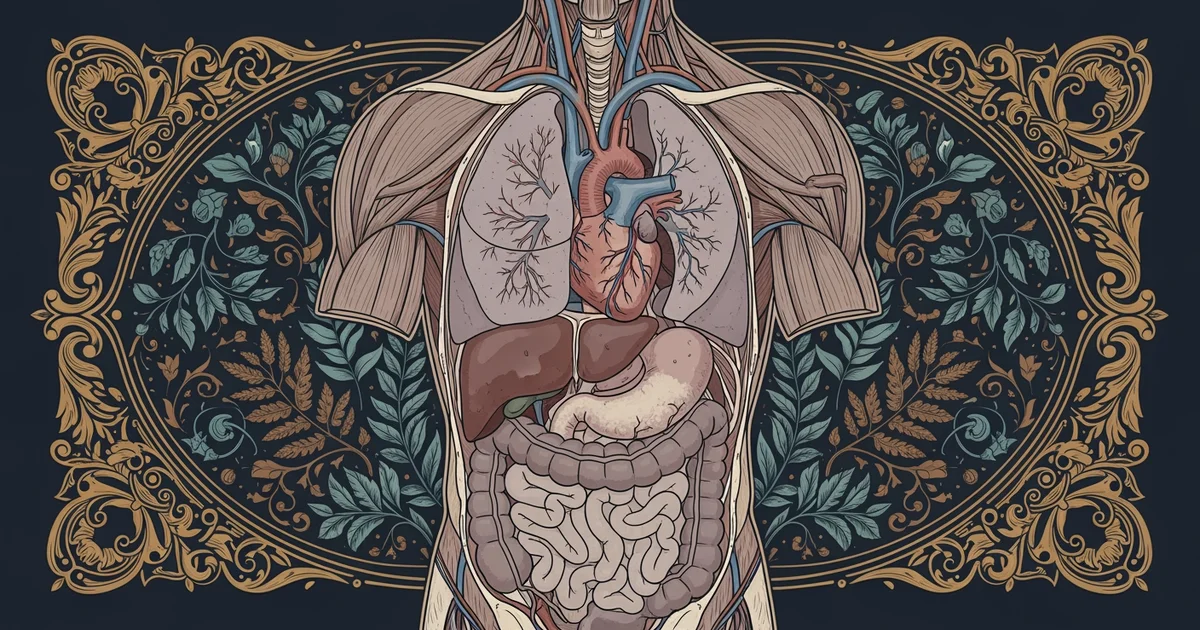
The Three Types of Muscle Tissues
Your body relies on three distinct types of muscle tissues to handle different physical tasks. These tissues work together to keep you alive and allow you to interact with the world. Skeletal muscle attaches to your bones and creates movement through conscious effort and intentional control. Smooth muscle lines your internal organs and works automatically to move food through your digestive tract. Cardiac muscle is found only in the heart and generates the rhythmic contractions needed to pump blood constantly. Think of these tissues like a team of specialized workers in a large factory complex. The skeletal muscles are the heavy machinery operators who only start when the power switch is flipped. The smooth muscles are the automated conveyor belts that run without stopping to keep materials moving. The cardiac muscle is the primary power generator that must never shut down for even a second.
Key term: Myofibrils — the tiny rod-like units that make up muscle fibers and allow for contraction.
Contraction occurs when these tissues receive chemical or electrical signals from your nervous system. Skeletal muscles use a sliding filament mechanism to shorten their length and pull on your bones. This action allows you to walk, lift objects, and maintain your posture throughout the day. Smooth muscles contract in waves to push substances through your body in a process called peristalsis. Cardiac muscles utilize specialized electrical connections to ensure every cell contracts at the same time. This coordination is vital because your heart must beat as a single unit to circulate oxygenated blood. If these muscles did not contract in such a precise manner, your body would fail to function correctly.
Comparing Muscle Tissue Characteristics
| Muscle Type | Location | Control Type | Primary Function |
|---|---|---|---|
| Skeletal | Attached to bones | Voluntary | Movement and posture |
| Smooth | Internal organs | Involuntary | Moving fluids/food |
| Cardiac | Heart walls | Involuntary | Pumping blood |
The table above shows how each muscle type is perfectly suited for its specific role. Skeletal muscle provides the strength needed for external actions like running or jumping toward goals. Smooth muscle manages internal maintenance tasks that you do not have to think about consciously. Cardiac muscle provides the endurance required to sustain life from your very first breath until the end. These systems must balance their energy usage to prevent fatigue while maintaining constant readiness for action. Understanding these differences helps you appreciate how your body manages complex physical demands every single day. Your muscles are constantly adapting to the environment to ensure you remain strong and healthy.
- Skeletal muscles allow for rapid, powerful movements through conscious brain signals.
- Smooth muscles operate automatically to regulate blood pressure and digestion flow rates.
- Cardiac muscles maintain a steady rhythm to ensure consistent oxygen delivery throughout tissues.
These three categories represent the fundamental architecture of the muscular system in all humans. Each tissue type has unique properties that allow it to excel in its specific environment. By working together, these muscles ensure that your body remains stable and functional under pressure. You now understand the basic building blocks of human movement and internal organ regulation. This knowledge provides the foundation for exploring how cells change during exercise and rest. The complexity of these systems ensures that you can perform delicate tasks or intense physical labor without conscious thought for internal processes. Your muscular system is truly a marvel of biological engineering that supports every aspect of your daily existence.
The muscular system uses three specialized tissue types to manage voluntary movement, internal organ regulation, and constant cardiac function.
The next Station introduces integumentary system roles, which determines how the skin acts as a protective barrier for these internal muscles.