
Homeostasis Principles
Imagine you are driving a car on a very hot summer afternoon. The engine needs a cooling system to keep it from overheating during your drive. Your body acts just like that car engine when you exercise or sit in the sun. It works constantly to keep your internal environment steady despite changes in the outside world.
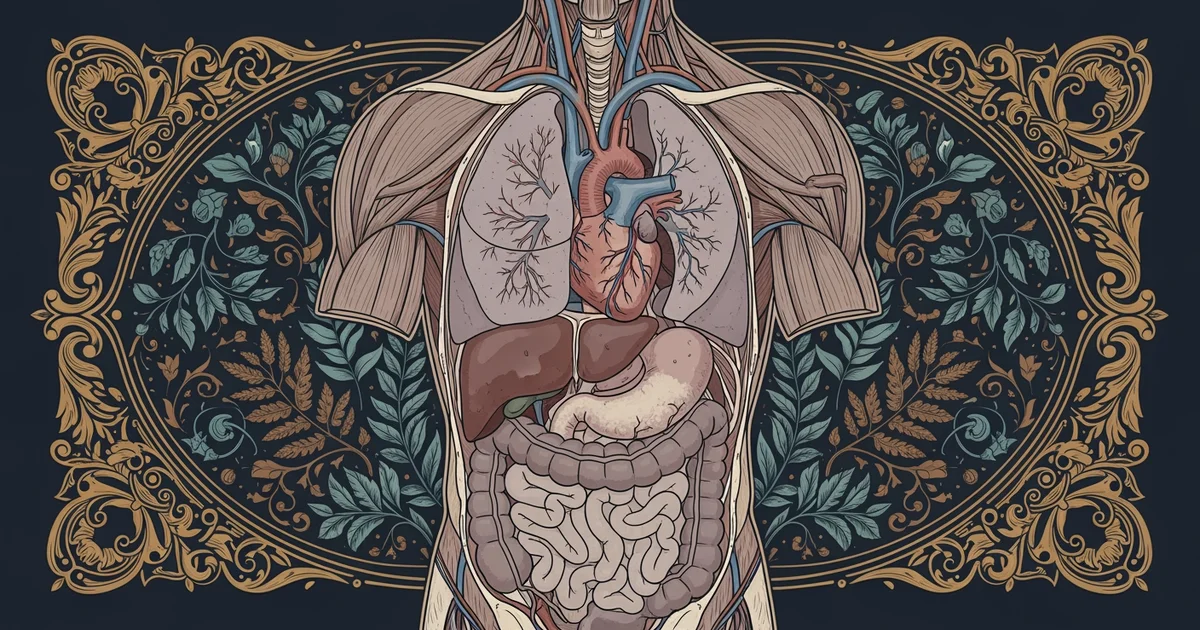
Maintaining Internal Balance
Your body relies on a process called homeostasis to keep your internal state stable. It acts like a thermostat in your home that adjusts the furnace or air conditioning. When your body temperature rises above a set point, your brain sends signals to trigger cooling. You begin to sweat to release heat through the skin to lower your temperature. This process ensures that your cells continue to function properly during daily activities. Without this balance, your body systems would struggle to perform basic tasks like moving or thinking. Think of it as a bank account that always keeps a minimum balance to cover your expenses. If you withdraw too much, the system adds funds to keep you from falling into debt.
Key term: Homeostasis — the biological process of maintaining a stable internal environment despite constant changes in external conditions.
The Mechanism of Negative Feedback
Most systems in your body use a negative feedback loop to maintain this delicate balance. This mechanism works by reversing a change that moves the body away from its normal state. If your blood sugar levels rise after a meal, your pancreas releases insulin to bring them down. Once the levels return to the normal range, the body stops sending the insulin signal. This prevents the body from overshooting the target and causing a new problem like low blood sugar. This loop is essential for survival because it keeps your vital functions within a safe narrow range. It acts as a self-correcting system that prevents dangerous swings in your internal chemistry during the day.
To understand how these loops function, consider the following components that work together in every cycle:
- The sensor detects a change in the environment such as a shift in body temperature or chemical levels.
- The control center receives the data from the sensor and compares it to the ideal set point value.
- The effector carries out the response needed to bring the body back toward the desired set point range.
Why Stability Matters for Life
Your body must maintain this stability because your enzymes and cells are very sensitive to change. If your internal conditions shift too far, your cells cannot produce the energy they need. This is why you feel tired when you are dehydrated or hungry for long periods. Your body is shifting its resources to protect your most vital organs from stress. By keeping your internal world steady, your body saves energy for growth and repair. This efficiency allows you to focus on your environment instead of constantly fighting your own biology. It is a silent process that happens every second to keep you healthy and alert.
| System | Input Change | Response Action | Goal Outcome |
|---|---|---|---|
| Temp | Heat increase | Sweating starts | Cool down |
| Glucose | Sugar rising | Insulin release | Stabilize |
| Water | Dehydration | Thirst signal | Rehydrate |
This table shows how different systems use the same logic to protect your health. Each row represents a pathway that keeps your internal environment in a state of balance. The goal is always to return to the set point after a change occurs. By understanding these patterns, you can see how the human body works as a unified machine. It is a complex network that functions to support your life through every challenge you face.
Homeostasis functions as a self-regulating system that uses feedback loops to keep internal conditions within the narrow range required for life.
Now that you understand how the body maintains balance, we will look at the specific language used to describe its parts.