
Levels of Human Body Organization
Imagine your body as a massive city that never stops working to stay alive. Every single brick, road, and power plant plays a vital role in keeping the city running smoothly. Just like a city, your body has a clear hierarchy that organizes tiny parts into massive, complex structures. Understanding this organization helps you see how simple pieces build a life that functions every day. You start as a single unit and grow into a complex being through layers of organization. This process ensures that your heart beats, your lungs breathe, and your brain thinks without you needing to manage the details.
The Building Blocks of Life
The smallest unit of life is the cell, which acts like a tiny factory inside you. Each cell performs specific tasks like making energy or moving nutrients to where they are needed most. When many similar cells work together for one goal, they form a tissue that performs a shared function. Think of these tissues like groups of workers in a factory who all perform the same specific job. For example, muscle tissue consists of many cells that can contract to create movement in your limbs. These cells rely on each other to maintain the strength of the tissue, just as workers rely on their teammates to finish a project on time.
Key term: Cell — the basic structural and functional unit of all living organisms that performs essential life processes.
When different types of tissues combine, they create an organ that performs a much more complex task. Your stomach is a perfect example of an organ because it uses muscle tissue to churn food and lining tissue to protect itself from acid. Each tissue type brings a unique skill to the organ, allowing it to complete jobs that no single cell could manage alone. You can compare this to a construction site where carpenters, electricians, and plumbers work together to build a functional house. Without the cooperation between these different tissues, your organs would fail to perform their vital roles in digestion or circulation.
Systems Working in Harmony
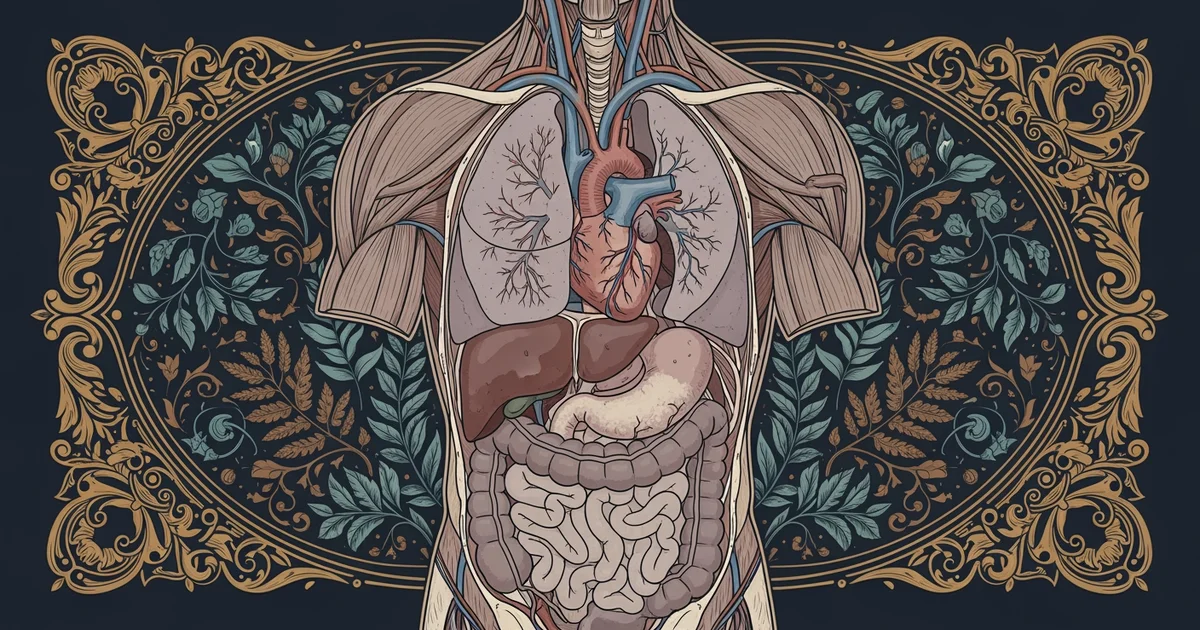
Organs do not work in isolation, as they group together into an organ system to handle major body needs. Your digestive system, for instance, includes the mouth, stomach, and intestines working in a sequence to turn food into energy. This level of organization allows the body to manage large-scale tasks that keep you healthy and active throughout the day. If one organ fails, the entire system struggles, much like a supply chain breaking down when a single truck stops moving. The body maintains this order through constant communication between these systems, ensuring that every part gets the resources it needs to function.
| Level | Description | Example |
|---|---|---|
| Cell | Basic unit of life | Muscle cell |
| Tissue | Group of similar cells | Cardiac muscle |
| Organ | Multiple tissues working | The heart |
| System | Organs working together | Circulatory system |
This table shows how small parts build up into larger systems that manage your daily survival. Each level relies on the one below it to provide the materials and energy required for life to continue. By learning how these levels connect, you gain a clear picture of how your body maintains its health. You will finish this path with a complete understanding of how your body systems work together to maintain life and health.
The human body organizes itself into a hierarchy where cells form tissues, tissues form organs, and organs form systems to maintain life.
This path provides the foundational knowledge needed to understand how every part of your body contributes to your overall health and survival.