
Integrating Global Perspectives
Imagine you are trying to solve a complex puzzle where every piece is shaped by a different culture. When we look at plant management, we see that people across the globe have developed unique ways to interact with their local nature. These methods are not just random habits but are deep systems built on centuries of trial and error. Just as a diverse investment portfolio lowers risk for a bank, using multiple cultural perspectives helps us find the most resilient ways to protect our plant life. By combining these different views, we can create a stronger, more sustainable plan for the future of our botanical world.
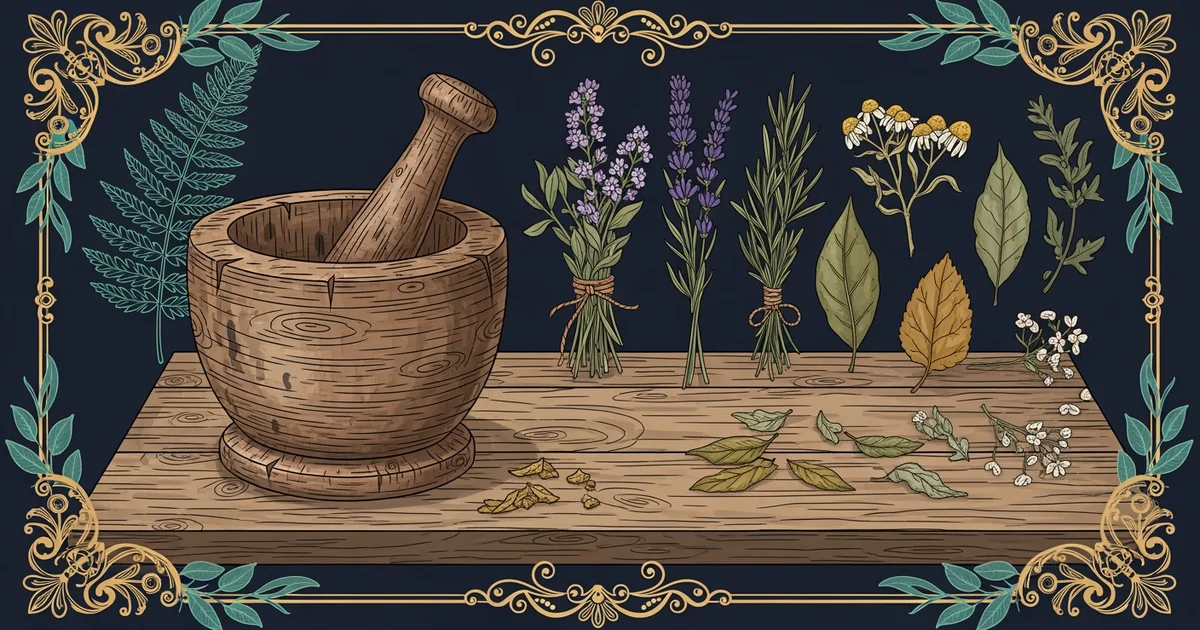
Integrating Diverse Cultural Knowledge
To understand how these systems work, we must first look at how different societies define value. Some cultures prioritize the medicinal properties of a plant, while others focus on its role in spiritual rituals or food security. These priorities determine how they manage, harvest, and protect specific species within their environment. When we integrate these perspectives, we move beyond a single-minded approach that might ignore the broader benefits of a plant. This synthesis requires us to listen to local experts who understand the specific needs of their unique landscape.
Key term: Ethnobotanical Synthesis — the process of combining diverse cultural knowledge systems to create a more comprehensive and sustainable approach to plant management.
Integrating these views is similar to a global potluck dinner where each guest brings a unique dish. If everyone brings only bread, the meal is limited and lacks the nutrients found in a variety of foods. By sharing knowledge about plant cultivation, soil health, and seasonal harvesting, we build a complete table of resources. This exchange helps us identify which techniques are most effective across different climates and social conditions. We must be careful, however, to respect the origins of this knowledge while we adapt it for modern use.
Developing Sustainable Management Plans
Creating a sustainable plan for plant management requires us to look at the interaction between human needs and ecological limits. Earlier, we explored how climate change shifts the availability of native species, creating a major tension in modern research. We must now synthesize these findings to ensure that our management strategies remain flexible. A good plan should account for both the immediate survival needs of a community and the long-term health of the ecosystem. We can organize these management strategies into three main categories of focus:
- Cultural Heritage Preservation involves protecting plants that hold deep meaning for a specific group, ensuring that traditional practices survive alongside environmental changes.
- Ecological Resilience Building focuses on maintaining the biodiversity of an area to ensure that plants can survive unpredictable weather patterns and new pests.
- Economic Resource Management balances the need for harvesting plants for medicine or food with the goal of keeping the population levels healthy and stable.
These categories help us see that management is not just about counting plants but about sustaining the relationship between people and nature. When we apply these strategies, we must ask ourselves how our actions today affect the generations that will come after us. The challenge is to find the right balance between using resources and letting them regenerate. This requires constant monitoring and a willingness to change our methods as the environment changes. By working together, we can bridge the gap between traditional wisdom and modern science to secure our botanical future.
Integrating diverse cultural perspectives allows us to build a more resilient and sustainable framework for managing the botanical world.
The next step in our journey involves exploring how these synthetic approaches will shape the future of ethnobotany.