
Defining the Ethnobotanical Lens
Imagine walking through a dense forest and realizing that every single plant you see serves a specific purpose for someone living nearby. You might see a simple green leaf, but a local person sees a bandage, a meal, or even a sacred tool for a ritual. This is the core of our study today, as we explore how human societies interact with the botanical world. We are looking at the deep, ancient links between our survival and the plants that grow all around us.
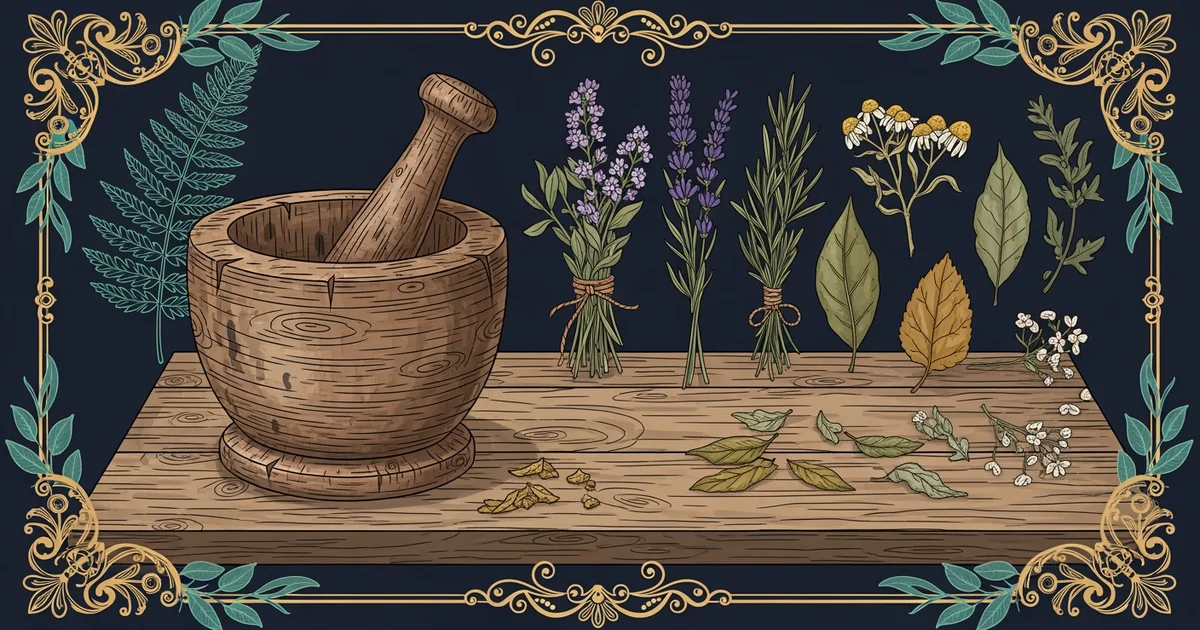
The Human Connection to Plant Life
Plants provide the foundation for almost every aspect of human existence, acting as the primary source of our food, clothing, and shelter. When we study this relationship, we are looking at ethnobotany, which is the scientific study of how people of a particular culture and region make use of native plants. Think of this relationship like a complex bank account where humans are the account holders and the natural world is the vault. We constantly withdraw resources like oxygen, medicine, and fuel, while our cultural practices act as the transaction records that explain how we manage these assets. Without this deep knowledge of which plants heal and which plants nourish, early human groups would have struggled to survive in diverse environments across the globe.
Key term: Ethnobotany — the study of the complex relationship between human cultures and the plants they rely on for daily survival and tradition.
This bond is not just about physical survival, as plants also shape the spiritual and social identities of many communities. People often name their children after plants, use specific flowers in wedding ceremonies, or designate certain trees as markers for ancestral burial grounds. These practices turn a simple forest into a living library of cultural history that is passed down through generations. When a community loses its connection to its local plants, it often loses the stories and traditions tied to those specific species. This makes the preservation of plant knowledge a vital part of protecting human cultural diversity.
Why Plants Are Essential for Survival
Plants are the silent engineers of our world, constantly working to keep the environment stable and productive for human use. They filter the water we drink, stabilize the soil where we grow our crops, and provide the raw materials for nearly all of our early tools. We can categorize these essential roles into three primary areas that define how humans interact with their environment:
- Nutritional Support: Plants provide the bulk of human energy intake through fruits, seeds, and roots, which have been carefully selected and cultivated by humans over thousands of years.
- Medicinal Application: Many traditional societies identify specific chemical properties in local flora to treat common ailments, ranging from skin infections to digestive issues.
- Material Utility: Humans utilize fibers, woods, and resins from plants to build homes, weave clothing, and create containers that allow for the storage of food and water.
By examining these categories, we can see that human culture is essentially a reflection of the botanical diversity available in a given region. If a group lives in a desert, their culture will emphasize water-storing plants and drought-resistant crops to ensure their survival. In contrast, a group living in a tropical rainforest will focus on the vast variety of medicinal herbs and edible fruits found in the canopy. This regional adaptation demonstrates that human ingenuity is always guided by the limitations and opportunities provided by local plant life. Understanding this lens allows us to appreciate how every human society has developed a unique way of managing its natural resources.
The ethnobotanical lens reveals that human culture is not separate from nature, but is instead deeply woven into the botanical world through survival, medicine, and identity.
By the end of this learning path, you will understand how to analyze the historical, scientific, and cultural intersections that define the relationship between humanity and the plant kingdom.