
Historical Roots of Plant Study
Imagine walking through a dense forest and needing to know which plants will heal a wound or provide a meal. Early humans faced this exact challenge every single day as they moved across changing landscapes. They had to organize their knowledge to survive, turning raw observations into a survival guide that passed between generations. This process marks the very beginning of how we categorize the natural world around us today.
The Evolution of Early Plant Classification
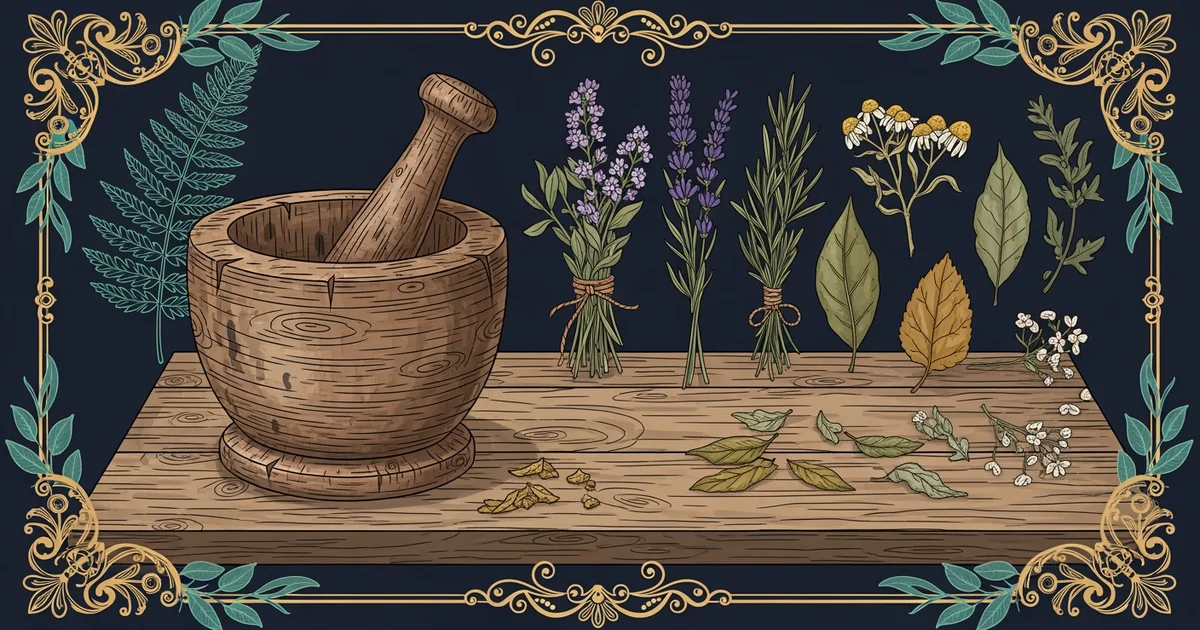
Ancient civilizations relied on plants for almost every aspect of existence, including food, clothing, and medicine. To manage this vast information, they developed systems that grouped plants based on their utility rather than their physical traits. Think of this like a modern kitchen pantry where you organize items by meal type instead of by the shape of the cans. By grouping a plant with others that served the same purpose, people could quickly identify reliable resources in an emergency. This functional approach allowed communities to build a shared memory of which roots provided energy and which leaves could soothe an aching stomach.
Key term: Ethnobotany — the study of how people of a particular culture and region make use of native plants.
As societies grew more stable, their methods for cataloging plants became increasingly sophisticated and detailed. They began to record these findings on clay tablets, papyrus scrolls, or through complex oral traditions that acted as a living library. These records often included specific details about the environment where a plant thrived, such as soil quality or sun exposure. This shift moved plant study from simple survival necessity toward a structured form of science. It allowed later generations to build upon the successes and failures of their ancestors, creating a cumulative record of botanical wisdom that spanned centuries of human history.
Cataloging Methods Across Ancient Cultures
Different cultures established unique ways to track their botanical findings to ensure the survival of their people. While some focused on medicinal properties, others prioritized agricultural yield or ritual significance. These diverse methods demonstrate that human interaction with the environment is deeply tied to cultural values and local needs. The following table highlights three distinct approaches used by ancient groups to document their botanical knowledge:
| Culture Type | Primary Focus | Cataloging Method | Goal of Study |
|---|---|---|---|
| Nomadic Tribes | Immediate Survival | Oral storytelling | Finding food and water |
| Agrarian Societies | Crop Management | Seasonal calendars | Maximizing harvest yields |
| Healing Traditions | Medical Utility | Herbarium scrolls | Curing common ailments |
These methods were not just lists of names, but integrated systems that taught people how to engage with their surroundings. For instance, an agrarian society would track the exact timing of plant growth cycles to ensure the best harvest. This required constant observation, leading to a deep understanding of botanical rhythms that still informs modern agricultural practices. By documenting these patterns, these cultures ensured that their knowledge remained accessible even as the seasons shifted or new generations took over the work.
Effective cataloging required more than just memory, as it demanded a way to communicate these findings to others clearly. Many cultures developed standardized naming systems that described a plant by its most distinct feature, such as its smell or color. This helped avoid confusion and ensured that a life-saving plant was never mistaken for a dangerous lookalike. This early dedication to accuracy serves as the foundation for how we classify life today. It shows that the human drive to organize the world is a fundamental part of our history and our future success.
Humanity has always transformed raw environmental observations into structured systems to ensure survival and cultural continuity.
The next step is to explore how these historical plant studies function within the broader ecological context of our changing planet.