
Foraging and Wild Harvesting
Walking through a dense forest, you might spot wild berries or medicinal herbs waiting for harvest. The simple act of picking these plants connects us directly to the natural cycles of our local environment. Many people assume that taking a few plants from the wild is always harmless for the ecosystem. However, even small actions can have large impacts when many people forage in the same area. Understanding the balance between human needs and plant health is essential for long-term survival.
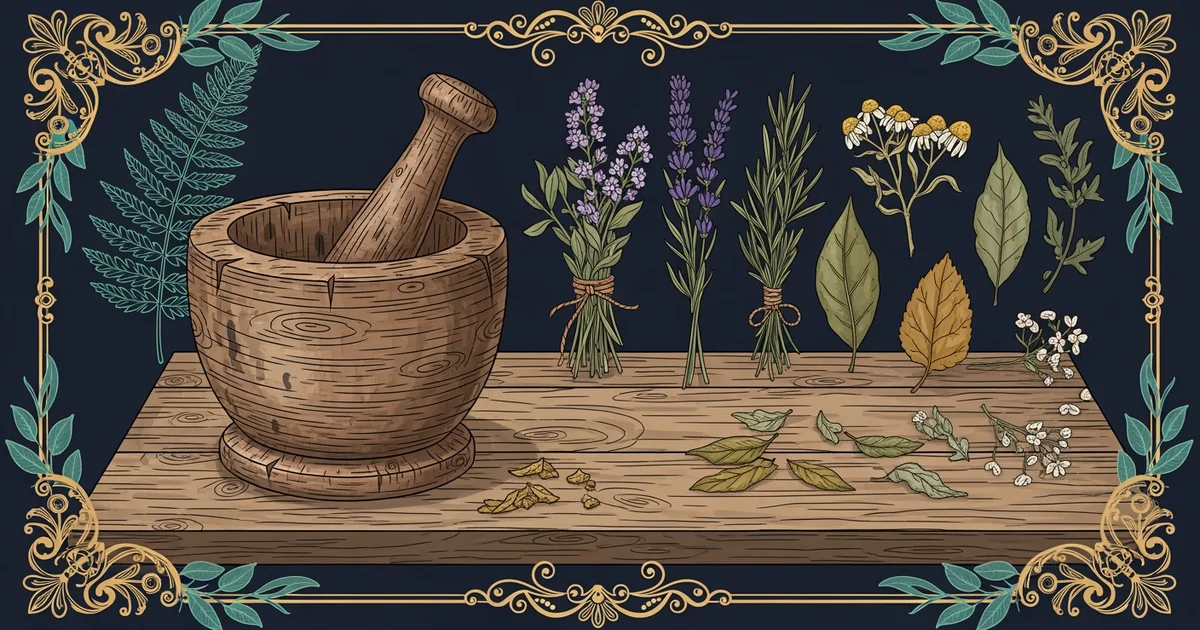
The Principles of Sustainable Foraging
Sustainable foraging requires a mindset that treats wild resources like a shared bank account. If you withdraw more money than you deposit, the account eventually hits zero and closes forever. Similarly, plants need enough individuals left behind to reproduce and maintain a healthy population size. When we harvest, we must leave the most vigorous plants to ensure the next generation thrives. This practice mimics natural thinning processes while protecting the genetic diversity of the wild patch. By taking only what we truly need, we allow the forest to replenish its natural inventory for future seasons.
Key term: Foraging — the act of gathering wild food or medicinal resources from the natural environment without planting or tending them.
Industrial resource extraction differs from this approach by focusing on mass removal for profit rather than survival. Large machines often clear entire areas of vegetation, which destroys the habitat for animals and insects alike. This method ignores the complex web of life that depends on those specific plants for food or shelter. While industrial systems prioritize speed and volume, sustainable foraging prioritizes the long-term health of the entire biological community. This difference in philosophy is the primary reason why wild harvesting must remain careful and controlled to prevent permanent damage to our native landscapes.
Methods for Responsible Harvesting
Identifying the right methods for wild plant harvesting helps protect sensitive ecosystems from human interference. One effective strategy involves the rule of thirds, which ensures that a large majority of the patch remains untouched. You should take only one part of the plant while leaving the rest for the local wildlife and future regrowth. This approach prevents over-harvesting that could otherwise lead to the local extinction of rare or slow-growing species. Following these simple steps ensures that your presence in the wild remains a positive interaction rather than a destructive force.
| Practice | Goal | Impact on Habitat |
|---|---|---|
| Selective picking | Protect growth | Minimal disruption |
| Harvesting seeds | Future plants | Supports expansion |
| Leaving roots | Regeneration | Prevents erosion |
To keep the ecosystem balanced, you should follow these specific guidelines when you go out into the field:
- Always verify the identity of the plant twice before you harvest any part of it to ensure safety and avoid rare species.
- Avoid harvesting in areas that might be contaminated by road runoff or chemical sprays that could make the plants unsafe for use.
- Practice ethical gathering by leaving enough of the plant behind so that the colony can continue to thrive throughout the entire year.
- Document your findings to track how the population changes over time, which helps you decide if you should return to that spot later.
By following these rules, you act as a steward of the land rather than just a consumer of its resources. This stewardship is the foundation of a healthy relationship with the botanical world, ensuring that we can continue to benefit from these gifts for many years to come. Every plant we leave behind acts as a seed for the future, maintaining the vibrant diversity that makes our natural world so valuable.
Sustainable foraging acts like a careful withdrawal from a shared resource bank, ensuring that the natural population can replenish itself through responsible harvesting limits.
The next Station introduces Ethnobotanical Data Collection, which determines how researchers document and preserve traditional knowledge about these plant species.