
Plants as Cultural Symbols
Imagine a wedding where guests toss white petals to bless the couple. This simple act transforms a fragile flower into a powerful vessel for human hope. We often view plants as mere food or scenery, but they serve as deep anchors for our shared identity. Every culture selects specific species to represent values that remain hidden within the plant's biology. By elevating these organisms to symbols, we create a language that transcends words and connects us to our history.
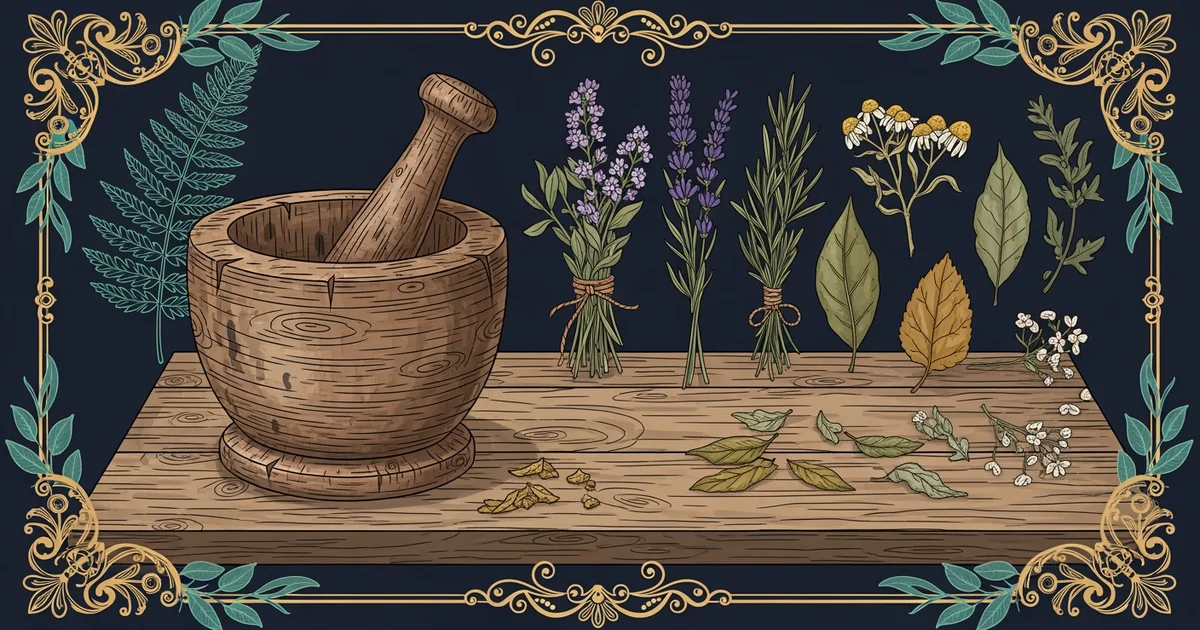
The Language of Botanical Meaning
Plants function like a shared currency within a society, allowing people to trade in abstract concepts like peace or courage. Just as a gold coin holds value because a group agrees on its worth, a specific flower holds weight because a community assigns it meaning. This process of assigning value is not random, as it often reflects the local environment and the unique challenges faced by the culture. For example, a plant that thrives in harsh conditions might become a symbol for resilience and endurance. By observing which plants a culture highlights, we gain a clear window into what that group values most.
Key term: Ethnobotany — the study of how people of a particular culture and region make use of native plants.
When we analyze these symbols, we must look beyond the surface to understand the ritual context. A plant used in a funeral rite carries a different emotional weight than one used in a harvest festival. These symbols are not just static decorations, as they actively perform work by reinforcing social norms and guiding human behavior during key life transitions. The botanical world acts as a mirror, reflecting our internal state through the physical forms of leaves, stems, and roots. This reflection helps us navigate complex social landscapes with a sense of shared purpose and continuity.
Rituals and Symbolic Integration
Integrating plants into rituals allows us to solidify our cultural ties through physical interaction. Whether through garlands, incense, or sacred meals, the act of handling plants bridges the gap between the human mind and the natural world. This physical connection is vital because it turns abstract beliefs into tangible experiences that everyone can share. Consider the following ways that cultures utilize plants to maintain these deep social bonds:
- Sacred offerings involve presenting specific fruits or flowers at altars, which creates a formal link between the living community and their ancestral heritage.
- Ritual purification uses aromatic herbs to cleanse a space or a person, which signals a transition from the everyday world into a protected, holy state.
- Symbolic adornment requires wearing plant materials during ceremonies, which visually marks an individual as a representative of the group's collective identity and status.
These practices ensure that the cultural meaning of a plant is passed down through generations without needing written instructions. By participating in these rituals, young members of a society learn the values associated with these plants through direct action. This experiential learning is much more powerful than simply reading about a symbol because it engages the senses and the emotions simultaneously. The plant becomes a living teacher that reminds the community of its roots and its future goals. As we continue to examine these relationships, we see that humans and plants have formed a partnership that defines human culture itself.
Cultural identity is deeply rooted in the symbolic use of plants, which transform natural specimens into meaningful tools that guide human rituals and social values.
The next Station introduces Agricultural Origins, which determines how early societies transitioned from symbolic plant use to systematic cultivation.