
Medicinal Plant Traditions
A local healer walks into the forest to find a specific leaf for a fever. This simple act connects ancient wisdom to the complex world of modern medical science today.
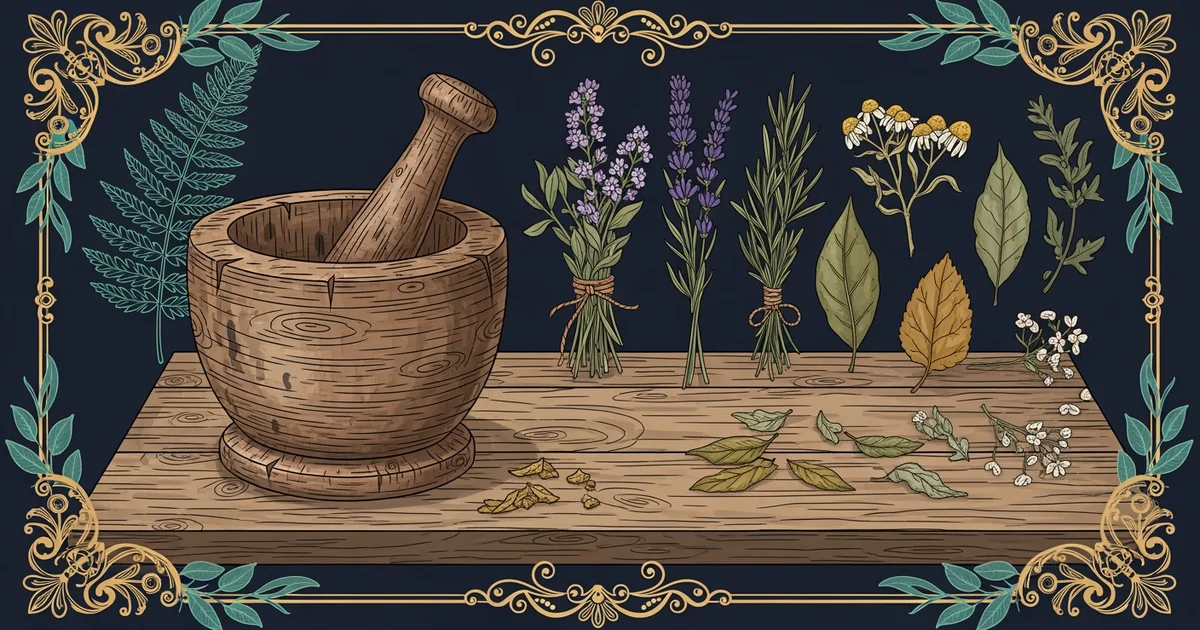
The Foundation of Traditional Remedies
Traditional medicine relies on the long history of human observation regarding plants in nature. People have spent thousands of years testing various roots, leaves, and barks to find relief. This knowledge passed down through generations creates a deep map of how nature serves human health. These early practices often focused on treating the symptoms of illness rather than understanding the chemical base. Modern science now looks at these old traditions as a library of potential new treatments. By studying how a specific culture uses a plant, researchers can isolate the exact compounds that provide relief. This process turns long-standing cultural habits into data for medical development. It is like searching for a lost treasure using a map drawn by those who lived there first. The map helps scientists avoid wasting time on plants that offer no real healing benefits to patients.
Key term: Ethnobotany — the study of how different cultures interact with plants for medicine and food.
Bridging Tradition and Modern Synthesis
When scientists identify a useful compound, they often move away from raw plant harvesting. Growing enough plants to supply global demand is difficult and can harm the local ecosystem. Instead, researchers analyze the molecular structure of the active ingredient found in the plant sample. They then attempt to recreate this exact structure in a laboratory setting through chemical synthesis. This shift allows for the creation of standardized drugs that are safer and more reliable than raw plants. The following table highlights the key differences between using traditional raw materials and modern synthesized drugs for medical treatment.
| Feature | Traditional Remedy | Modern Synthesis |
|---|---|---|
| Source | Raw plant material | Chemical laboratory |
| Purity | Varies by harvest | Strictly regulated |
| Dosage | Hard to measure | Precise and exact |
| Supply | Depends on nature | Scalable production |
This transition from field collection to lab production ensures that patients receive the correct dose every time. While the plant provides the original blueprint, the lab provides the scale needed for mass health care. Chemists must ensure the lab version works exactly like the original natural version to be effective.
The Complexity of Natural Compounds
Nature creates complex molecules that are sometimes difficult to copy perfectly in a small laboratory setting. Some plants contain multiple active ingredients that work together to produce a healing effect on humans. This synergy makes traditional remedies unique and sometimes harder to replicate with just one chemical. Researchers often study these combinations to see if they can create a more powerful medicine. They must balance the cost of synthesis against the benefit of a more complex drug formula. If the lab process becomes too expensive, the drug might not reach the people who need it most. Balancing these factors requires a deep understanding of both biology and chemical engineering principles. The goal remains the same regardless of the method: finding the most effective way to improve human health outcomes globally. By respecting the traditional origins, science keeps a vital link to the past while building the future of medicine.
Modern medicine uses traditional plant knowledge as a guide to discover and create precise, scalable treatments for global health.
The next Station introduces plants as cultural symbols, which determines how botanical identity shapes human societies.