
Climate Change Impacts
In the high-altitude valleys of the Peruvian Andes, traditional farmers have noticed that the native potato crops now ripen weeks earlier than they did twenty years ago. This shift in timing reflects the broader reality of how global temperature increases force plants to abandon their historical growing cycles to survive. When the environment changes, the delicate link between human culture and botanical resources begins to fray and break down rapidly. This is the concept of ecological mismatch from Station 12 working in real conditions, where historical knowledge no longer matches current field results.
Shifting Patterns in Plant Growth
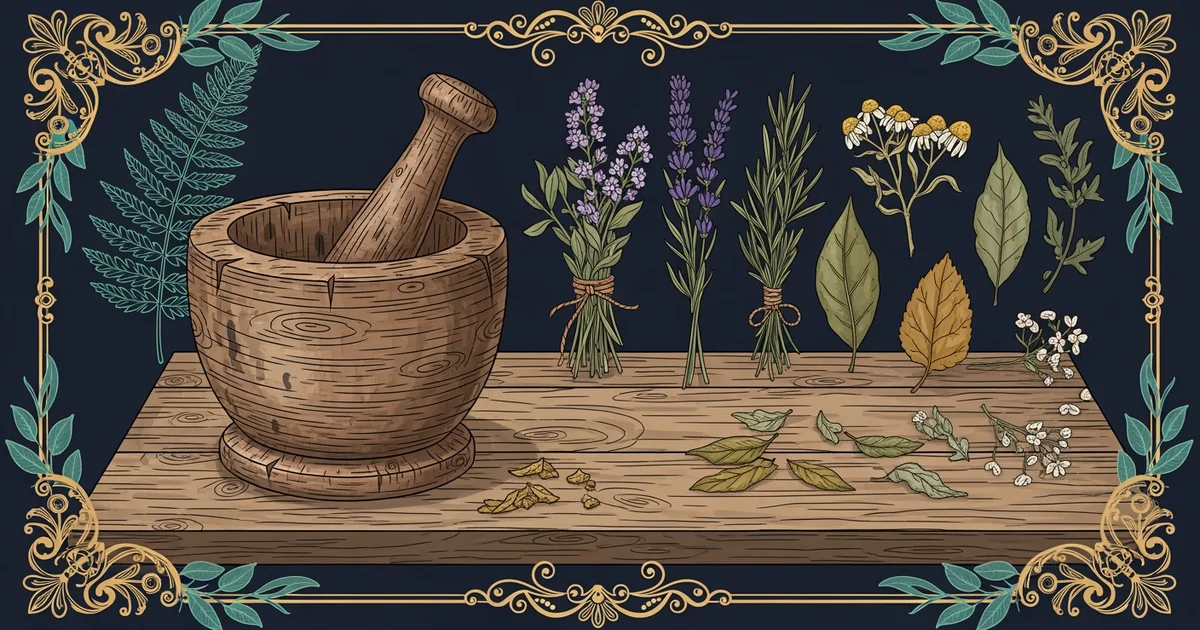
Plants rely on specific cues like temperature and daylight hours to trigger blooming or fruit production. As global temperatures rise, these cues become unreliable for many species that have evolved over thousands of years. A plant that expects a cooling period to signal the start of dormancy might instead experience an early warmth that forces it to expend energy prematurely. This process is like a baker who starts mixing dough before the oven reaches the correct temperature, leading to a loaf that never rises properly. When traditional healers go to harvest medicinal plants, they often find that the plants have already flowered and dropped their seeds. This mismatch makes it impossible to gather the necessary ingredients for traditional medicine, effectively erasing centuries of collected cultural knowledge. The timing of harvest is not just a logistical concern but a fundamental threat to the survival of cultural practices.
Environmental Stress and Resource Scarcity
Beyond simple timing shifts, climate change introduces severe stress that alters the chemical composition of plants used for medicine. Plants produce specific compounds as a defense mechanism against insects, drought, and heat, which are often the exact elements humans value for their health properties. When a plant faces constant water scarcity or extreme heat, it redirects its energy away from growing and toward basic survival. This reallocation means the plant may produce fewer of the active compounds that traditional healers rely on for treating common ailments. We can compare this to a factory that stops producing luxury goods to focus entirely on basic supplies during a supply chain crisis. The quality of the botanical resource declines, forcing communities to seek alternatives or abandon traditional remedies entirely. This loss of potency serves as a silent erosion of the cultural identity that is tied to these specific plant species.
Key term: Phenology — the study of cyclical and seasonal natural phenomena, especially in relation to climate and plant life.
Traditional knowledge systems often track these changes through specific observations that help communities adapt to the new reality of their environment:
- Observation of flowering times: Elders record when plants bloom to predict the best harvest windows for medicine, ensuring they collect materials at peak potency.
- Monitoring soil moisture levels: Communities track how rainfall patterns change to decide which areas remain viable for cultivating sensitive botanical species for local use.
- Tracking insect migration cycles: Changes in pollinator arrival times signal to farmers that they must adjust their own planting schedules to match the local ecosystem.
The Impact on Cultural Identity
Culture is deeply rooted in the landscape, and when the landscape changes, the culture must undergo a painful transformation. Many traditional groups view specific plants as ancestral partners that provide both physical healing and spiritual connection to the land. If these plants disappear or move to higher elevations to find cooler temperatures, the connection between the people and their heritage is severed. This displacement forces younger generations to rely on external, commercial products rather than the botanical knowledge passed down by their ancestors. The loss of traditional botanical use is not merely a scientific issue but a profound cultural tragedy that weakens the social fabric of the community. Protecting these resources requires a deep commitment to understanding how plants respond to the changing climate across different regions.
Climate change forces plants to alter their growth cycles and chemical production, which disrupts the traditional botanical knowledge that sustains cultural health and identity.
But this model breaks down when we consider how human migration and the introduction of non-native plant species might create new, artificial ecosystems in the future.