
Conservation Ethics
In 1995, the San people of Southern Africa discovered that their traditional knowledge of the hoodia plant was being patented by outside researchers without their consent. This conflict highlights how indigenous wisdom can be exploited for commercial gain while the original guardians of that knowledge receive nothing in return. This is a direct application of the ethics of resource management discussed in Station 10 regarding the chemical ecology of plants. Protecting this knowledge requires more than just legal frameworks because it demands a fundamental shift in how we value cultural heritage.
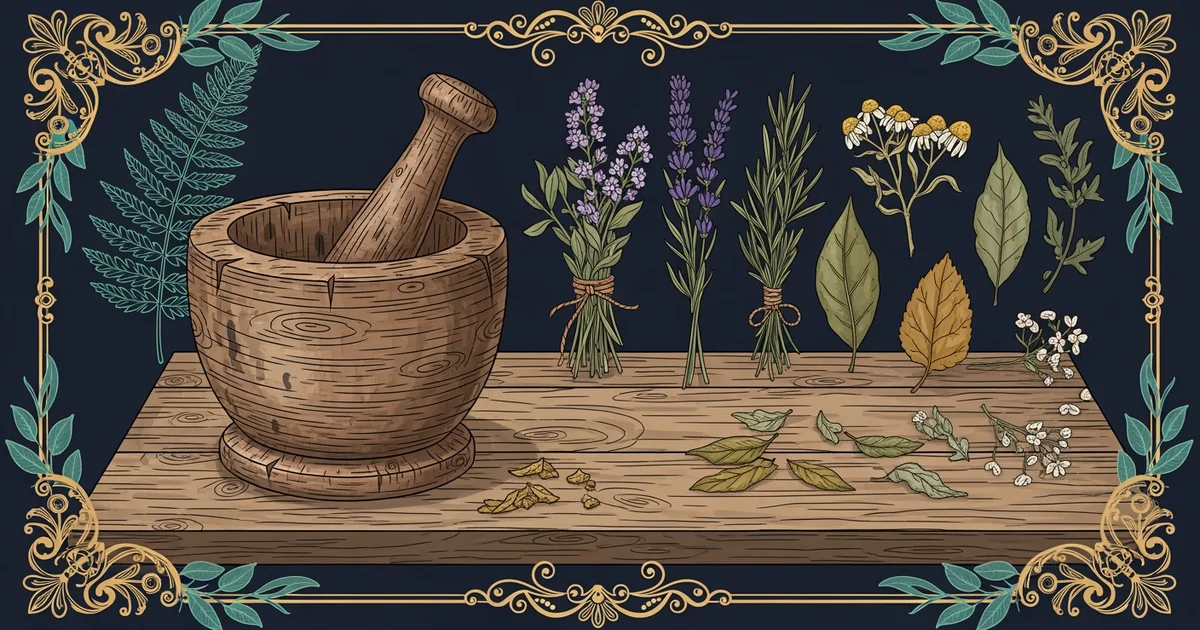
The Moral Imperative of Traditional Knowledge
Traditional botanical knowledge represents centuries of careful observation and trial regarding the natural world. Indigenous communities have mapped the medicinal properties of thousands of species through generations of lived experience. When outsiders extract this data to create new drugs, they often ignore the social context that makes the plant useful. Treating this information as an open-access commodity is like entering a private library and stealing the books because the doors were left unlocked. We must recognize that this knowledge is a form of intellectual property that belongs to the groups who cultivated it. Respecting these boundaries is essential for maintaining trust between global scientific communities and local practitioners.
Key term: Bioprospecting — the process of searching for and collecting biological samples for commercial use, often without proper compensation or consent from local groups.
Establishing Ethical Frameworks for Conservation
Preserving indigenous botanical wisdom requires creating systems that prioritize the rights of the knowledge holders over the interests of corporations. These frameworks must ensure that benefits are shared fairly whenever a discovery leads to a profitable product. A fair system would include the following pillars to protect the integrity of traditional practices:
- Informed consent ensures that communities understand how their knowledge will be used before they share any secrets with outside researchers.
- Equitable benefit sharing guarantees that a portion of profits from new medicines or products flows back to the original guardians of the plant data.
- Cultural recognition mandates that the scientific community acknowledges the specific indigenous origins of any discoveries made through traditional ecological knowledge.
By implementing these standards, we move toward a model where science supports the survival of both plants and the cultures that protect them. This approach prevents the erosion of biodiversity while simultaneously honoring the human history attached to every medicinal leaf or root.
Comparing Approaches to Botanical Protection
Different methods exist for managing the intersection of local knowledge and global research. We can evaluate these methods by looking at how they balance commercial interests against the protection of indigenous rights and environmental health.
| Strategy | Primary Focus | Benefit to Community | Risk Involved |
|---|---|---|---|
| Patenting | Market control | High financial gain | Loss of access |
| Collaborative | Partnership | Shared resources | Slow progress |
| Open Access | Global sharing | Wide distribution | Exploitation |
Each of these strategies carries different outcomes for the long-term survival of traditional knowledge. A collaborative model is often the most ethical choice because it treats the community as a partner rather than a mere source of information. When we view traditional knowledge as a collaborative asset, we encourage deeper cooperation between modern medicine and age-old wisdom. This shift in perspective is necessary to ensure that the botanical world remains a shared heritage rather than a contested battlefield of ownership. We must choose paths that prioritize the dignity and autonomy of the people who have lived in harmony with these ecosystems for millennia.
True conservation of botanical knowledge requires honoring the intellectual property and cultural autonomy of the communities that have cultivated that wisdom for generations.
The next step in this journey examines how these conservation ethics apply to the rapidly changing landscape of modern urban ethnobotany.