
Future Trends in Science
Imagine a future where empty lots in cities transform into self-sustaining forests overnight through advanced engineering. Scientists now look at ways to heal damaged ecosystems using tools that mimic nature itself rather than just fighting against human decay.
Emerging Restoration Technologies
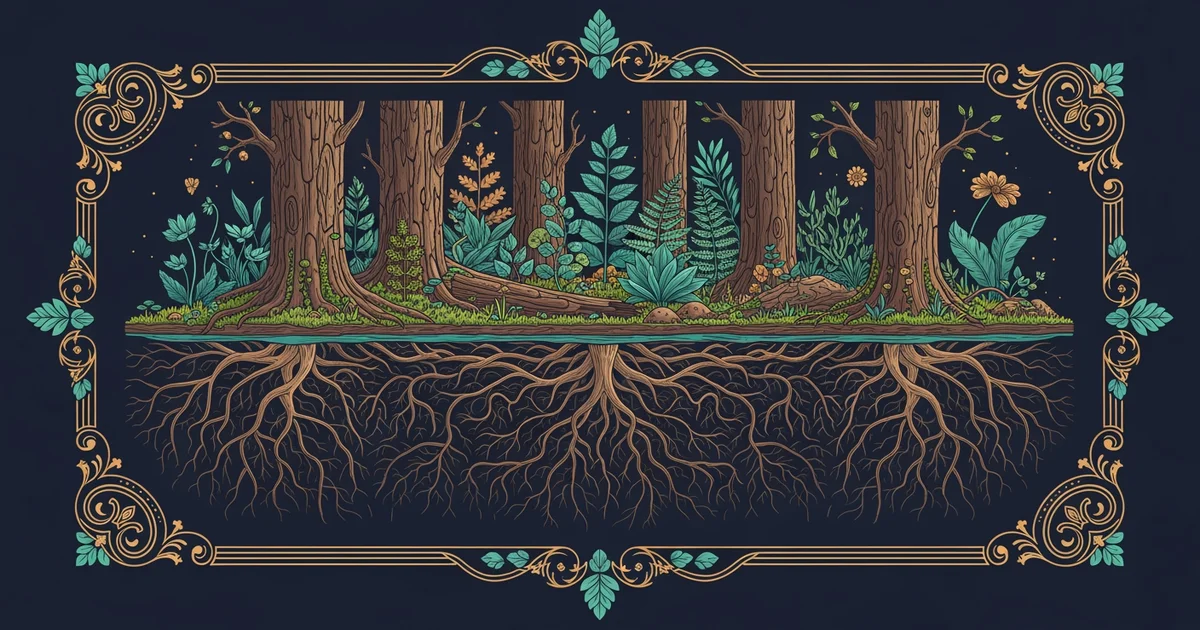
Modern science shifts focus toward biomimicry to solve complex environmental problems by observing how nature designs its own solutions. This approach views biological systems as blueprints for engineering durable, efficient, and sustainable restoration tools that can function without constant human intervention. Think of this process like upgrading a home heating system by using natural insulation instead of adding more electric heaters. By copying the way trees cycle nutrients or how fungi break down waste, researchers create synthetic systems that restore soil health in record time. These methods rely on understanding the delicate balance of local species to ensure that new growth supports existing wildlife. As we refine these techniques, we move away from temporary fixes and toward permanent solutions that evolve alongside the environment they aim to protect.
Key term: Biomimicry — the practice of learning from and mimicking the strategies found in nature to solve human design challenges.
Beyond basic observation, scientists now use synthetic biology to engineer organisms that perform specific environmental tasks like cleaning up toxic spills or capturing carbon from the air. This field creates life forms with enhanced abilities to thrive in degraded areas where natural life might struggle to survive. These engineered organisms act like a specialized cleaning crew that enters a polluted site, performs a targeted task, and then naturally declines as the environment returns to health. The power of this technology lies in its precision, as it allows us to address specific pollutants without damaging the surrounding habitat. While this technology offers great hope, it also requires careful monitoring to ensure that synthetic organisms do not disrupt local food webs or outcompete native species for essential resources.
Evaluating Restoration Impact
New restoration strategies are often compared based on their long-term effectiveness, cost, and ecological impact on the surrounding landscape. The following table highlights how different modern approaches compare when applied to large-scale habitat recovery projects in urban or rural settings.
| Technology | Primary Goal | Implementation Cost | Ecological Risk |
|---|---|---|---|
| Biomimicry | Design efficiency | Moderate | Very low |
| Synthetic Biology | Targeted cleanup | High | Moderate |
| Robotic Seeding | Rapid reforestation | Low | Very low |
| Soil Remediation | Nutrient recovery | Moderate | Low |
These technologies represent a shift toward proactive management of our natural resources rather than reactive cleanup efforts that often fail to address root causes. Robotic seeding, for instance, uses drones to plant thousands of native seeds in hard-to-reach areas, which mimics the natural dispersal patterns of birds and wind. This method is far more efficient than manual planting and allows for the rapid restoration of large forests after fires or storms. By combining these different tools, we create a layered defense system that protects the complex web of life that sustains our planet for future generations. This synthesis of biology and engineering allows us to repair damages faster than natural succession could ever achieve on its own.
We must consider the potential impacts of these technologies on global biodiversity, as the introduction of synthetic organisms or automated systems could have unforeseen consequences. The research community remains divided on the speed at which we should deploy these tools, given the risks of permanent changes to local biomes. This tension between the need for urgent action and the desire for caution defines the current frontier of conservation science. We are essentially learning to act as stewards of a living machine that requires constant, precise, and thoughtful maintenance to function correctly. By integrating these strategies, we ensure that the natural world can continue to provide the essential services needed for human survival and prosperity.
Future ecological restoration depends on our ability to integrate natural biological patterns with advanced synthetic tools to create resilient, self-sustaining environments.
Protecting the complex web of life requires using both traditional conservation methods and modern technological innovations to ensure long-term environmental stability.