
Protected Area Design
Imagine you are building a bridge for animals to cross a busy road safely. Animals often face dangerous barriers when they try to move between different patches of wild land. These barriers prevent them from finding enough food or finding new mates to start families. To solve this, scientists design special paths that reconnect these isolated pockets of nature. This process helps maintain a healthy balance in the local environment.
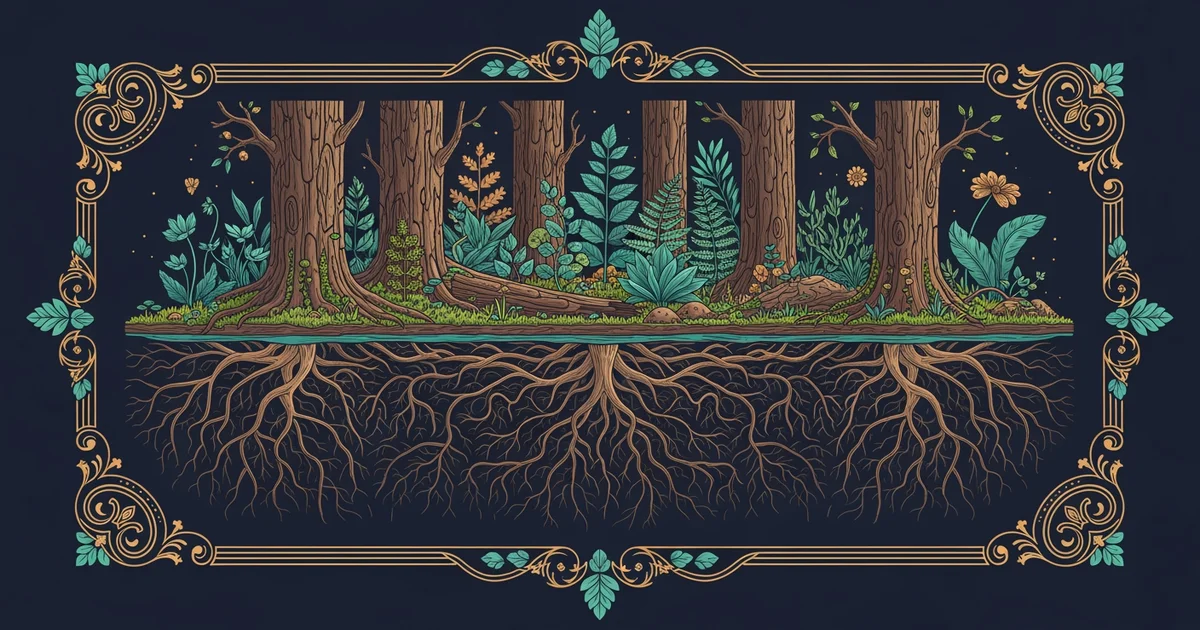
Designing Effective Wildlife Corridors
When we plan these paths, we must think about the specific needs of the local wildlife. A corridor acts like a safe hallway for animals to travel between two large rooms. If the hallway is too narrow, animals might feel exposed to predators or human noise. We must make sure the path provides enough cover so they feel safe while moving. Think of this like a busy city street where you need sidewalks to walk safely. Without sidewalks, you would have to dodge cars, which is exactly what animals do when they cross roads. By building wide, natural bridges, we allow animals to move across the landscape without human interference.
Key term: Wildlife corridor — a strip of natural habitat that connects two larger areas to allow safe animal movement.
Effective design requires us to consider the specific habits of the species we aim to protect. Some animals prefer dense forests, while others need open grasslands to travel comfortably. We must ensure the vegetation in the corridor matches the surrounding environment to encourage natural use. If we plant the wrong types of trees, animals will avoid the path entirely. Careful planning ensures that the corridor does not become a trap where predators wait for prey. By studying movement patterns, we can place these paths exactly where animals already want to go.
Strategic Layout and Connectivity
Building a successful corridor involves more than just planting trees in a straight line. We must consider how different habitats connect to create a larger, more resilient network. A single corridor might help one species, but a network helps many different types of animals. This approach is similar to how a city plans its highway system to move people efficiently. We look at the landscape to find the most natural routes that animals use for migration. When we connect these routes, we create a web of life that supports many different species.
To ensure these designs work, we follow specific steps to evaluate the quality of our plan:
- Habitat suitability ensures the corridor contains the right plants and water sources for local wildlife. Without these basic needs, animals will not use the path to travel between larger areas.
- Structural complexity provides different layers of cover, such as tall trees and low shrubs, to hide animals from potential threats. This variety helps different species find the specific shelter they need.
- Human disturbance management keeps the corridor away from loud roads or bright lights that might scare sensitive animals. Reducing these negative impacts makes the path feel more like a natural home.
When we evaluate these corridors, we often compare their features to ensure they provide the best possible support for the local ecosystem. The table below shows how different design factors impact our success.
| Design Factor | High Impact | Low Impact | Goal |
|---|---|---|---|
| Path Width | Wide | Narrow | Maximize safety |
| Vegetation | Native | Invasive | Support health |
| Noise Level | Quiet | Loud | Reduce stress |
By focusing on these factors, we create paths that allow nature to thrive despite human growth. We must keep our designs flexible so they can adapt to future changes in the land. This work ensures that the complex web of life stays connected for a long time. Our goal is to create a world where humans and wild animals can coexist peacefully. Every path we build is one step closer to protecting the future of our planet.
Effective wildlife corridors act as vital links that allow species to maintain genetic health by safely connecting fragmented habitats.
But what does it look like in practice when we try to move a species back into a place it once lived?
Want this with sources you can check?
Premium Learning Paths for Biological Sciences are researched against open-access libraries — PubMed, arXiv, government databases, and more — with their distinctive claims cited to real sources and independently checked.
See what Premium includes