
Defining Conservation Science
Imagine you are managing a small family garden that must provide food for the next ten years. If you harvest every single vegetable today, you leave nothing for the future and destroy the soil health for later seasons.
The Purpose of Preservation
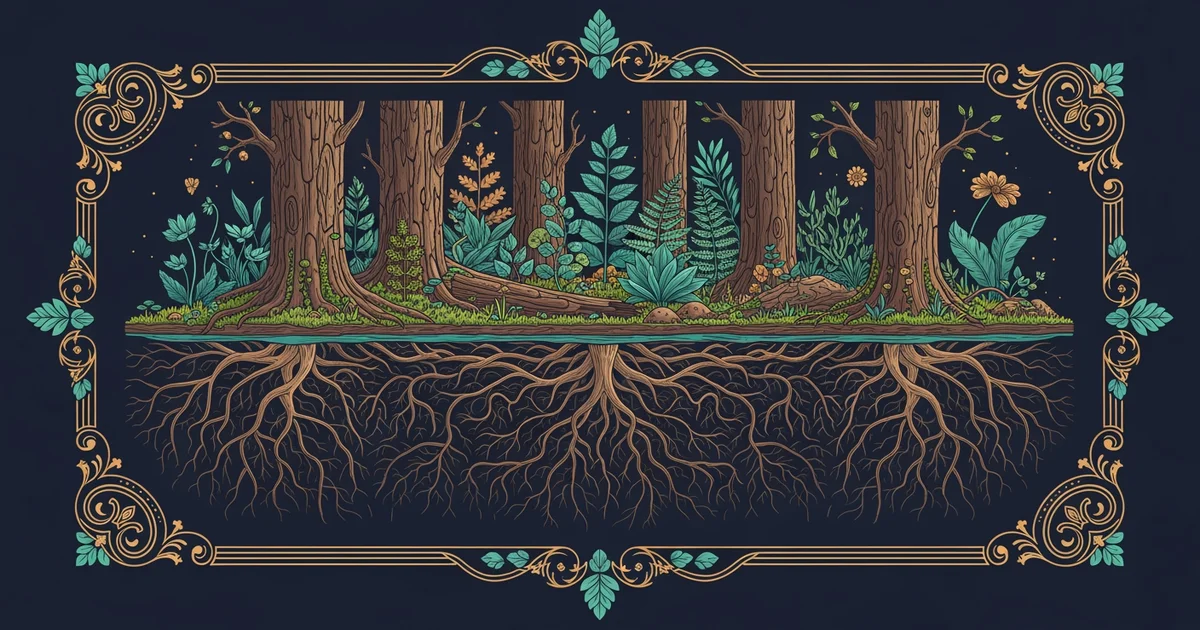
Conservation science is the formal study of how we protect the natural world from permanent loss. It acts like a financial plan for the planet by balancing our current needs with the survival of future life. Scientists look at how plants and animals interact to create a stable environment for everyone to share. They do not just look at one animal, but at the entire web of connections that keep ecosystems running smoothly. By understanding these links, we can make smart choices about how we use water, forests, and land. This field helps us avoid the mistake of using up all our resources before we find ways to replace them. It turns out that a healthy planet is the most valuable asset we can ever possess.
Key term: Biodiversity — the wide variety of all living things on Earth, including different species, their genetic makeup, and the ecosystems they form.
When we talk about saving nature, we are really talking about keeping the systems that support human life intact. Think of the Earth like a massive, complex machine where every single part has a specific job to do. If you remove too many gears, the entire machine eventually stops working, even if it runs for a little while longer first. Conservation science identifies which parts of this machine are the most important for keeping everything moving forward safely. It is not just about saving a cute animal, but about protecting the services nature provides for us for free. These services include clean air, fresh water, and fertile soil that we rely on every single day.
Tools for Measuring Health
Scientists use specific methods to track the health of our environment over long periods of time. They gather data to see if populations of plants or animals are growing or shrinking in size. This information helps them decide which areas need the most help to recover from damage or stress. You can think of this like checking your bank balance to ensure you are not spending more money than you earn. If the balance drops too low, you must adjust your habits to avoid running out of funds entirely. The following table shows how scientists evaluate the health of different natural systems across the globe.
| Indicator | What it measures | Why it matters |
|---|---|---|
| Population count | Number of individuals | Shows if a species is thriving |
| Habitat range | Available living space | Ensures animals have enough room |
| Resource density | Amount of food/water | Predicts the carrying capacity |
By monitoring these indicators, experts can predict potential problems before they become impossible to fix later on. They work to create solutions that allow people to live alongside nature without causing permanent harm to the environment. This process requires patience, careful observation, and a willingness to change our behavior when the data shows a decline.
Conservation science is not just a hobby for experts, but a vital practice for our collective future survival. It connects the tiny details of how a single plant grows to the massive patterns of global climate change. We learn that every small action contributes to the larger health of the entire planet we call home. By studying these patterns, we gain the knowledge needed to act as better stewards of the land.
Conservation science provides the data and strategies needed to protect the complex web of life that sustains our planet for future generations.
In the next station, we will explore how historical figures first recognized the need for environmental stewardship.