
The Ethics of Preservation
Imagine you own a vast, ancient forest that provides clean air and water for everyone living nearby. If you decide to clear the land for a shopping mall, you gain immediate profit but lose the long-term benefits provided by the trees. This dilemma highlights the core tension between human progress and the protection of natural systems. We must decide if nature has a right to exist for its own sake or only for what it offers us.
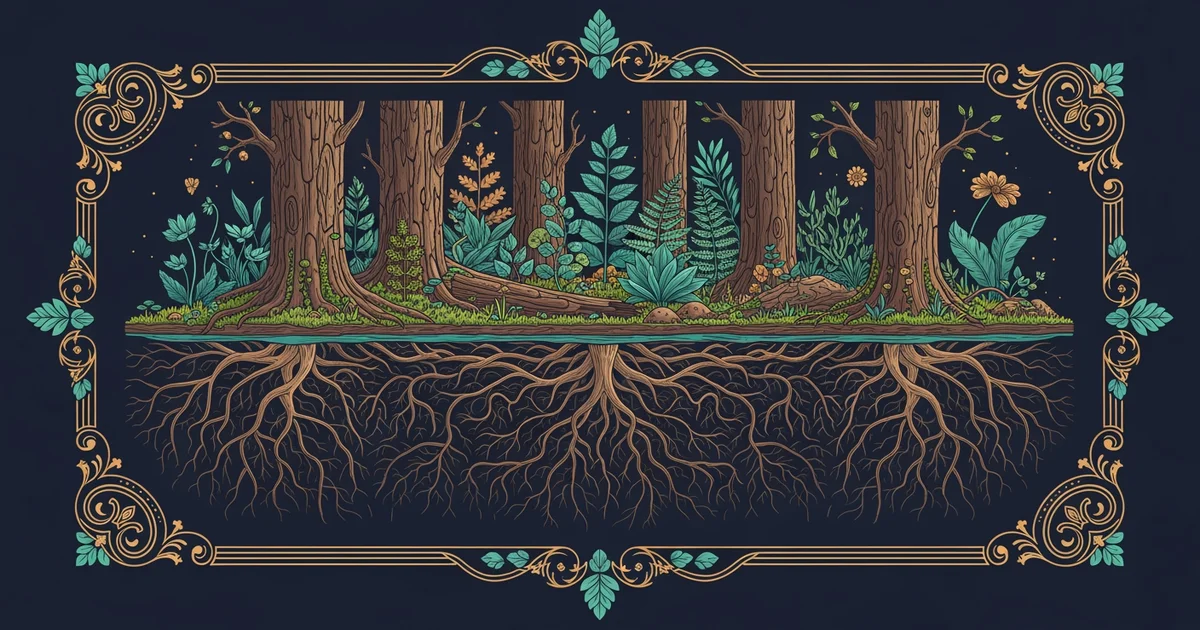
The Philosophical Divide in Conservation
When we discuss the ethics of preservation, we often encounter two primary schools of thought that guide environmental policy. The first view is anthropocentrism, which places human needs and interests at the very center of all moral considerations. Under this framework, we protect nature because it provides essential services like clean water, timber, and stable climates for our survival. If a species does not provide a direct benefit to humanity, an anthropocentric approach might suggest that its preservation is not a priority. This perspective treats nature like a savings account that we must manage wisely to ensure that we do not run out of resources for future generations.
In contrast, the second view is biocentrism, which argues that all living things have inherent value regardless of their utility to humans. This philosophy suggests that every organism, from the smallest insect to the largest mammal, possesses a right to exist and thrive in its own environment. Biocentrism shifts our focus from what nature can do for us to what we owe to nature as fellow inhabitants of the planet. While anthropocentrism asks how we can sustain our lifestyle, biocentrism asks how we can respect the intrinsic worth of the living world. These two paths often lead to very different decisions when governments debate land use or conservation funding.
Key term: Intrinsic value — the quality of being valuable in and of itself, rather than being valuable only for its usefulness to others.
We can compare these viewpoints to how a city manages its public parks. An anthropocentric manager views the park as a space for exercise and relaxation that keeps the population healthy and productive. If the park becomes too expensive to maintain, they might consider selling the land for development because the human benefit has decreased. A biocentric manager views the park as a sanctuary for local plants and animals that deserve protection. Even if the park is rarely visited by humans, they would fight to keep it open to ensure the survival of the wildlife living within its borders.
Balancing Competing Ethical Obligations
Determining which approach to follow creates a complex challenge for scientists and policymakers who must balance immediate needs against long-term ecological health. Most modern conservation strategies attempt to blend these two philosophies to create a middle ground that acknowledges human necessity while respecting biological integrity. We often find that protecting a diverse ecosystem naturally supports both human and non-human interests simultaneously. By preserving a wetland, we protect the habitat of rare birds while also creating a natural filter that cleans the water supply for nearby human towns.
| Ethical Viewpoint | Primary Focus | Goal of Conservation |
|---|---|---|
| Anthropocentrism | Human welfare | Resource sustainability |
| Biocentrism | All life forms | Protecting existence |
| Integrated Model | Shared survival | Ecosystem resilience |
This table illustrates how different motivations lead to the same goal of conservation, even if the underlying logic remains distinct. When we choose to protect a forest, we might do so because we value the timber industry or because we believe the trees have a right to grow. Both reasons encourage us to stop the destruction of the habitat. Understanding these ethical frameworks helps us engage in better debates about the future of our planet. We no longer have to choose between people and nature when we realize that our own survival is tied to the health of the broader web of life.
Conservation ethics require us to balance the practical needs of human society with the inherent value of the living systems that support all life on Earth.
The next Station introduces climate change impacts, which determines how these ethical frameworks influence our response to global warming.