
Historical Roots of Stewardship
Imagine you are managing a shared garden where everyone picks vegetables but nobody ever plants new seeds. Eventually, the soil becomes bare and the harvest stops completely because the resources were used without any thought for the future.
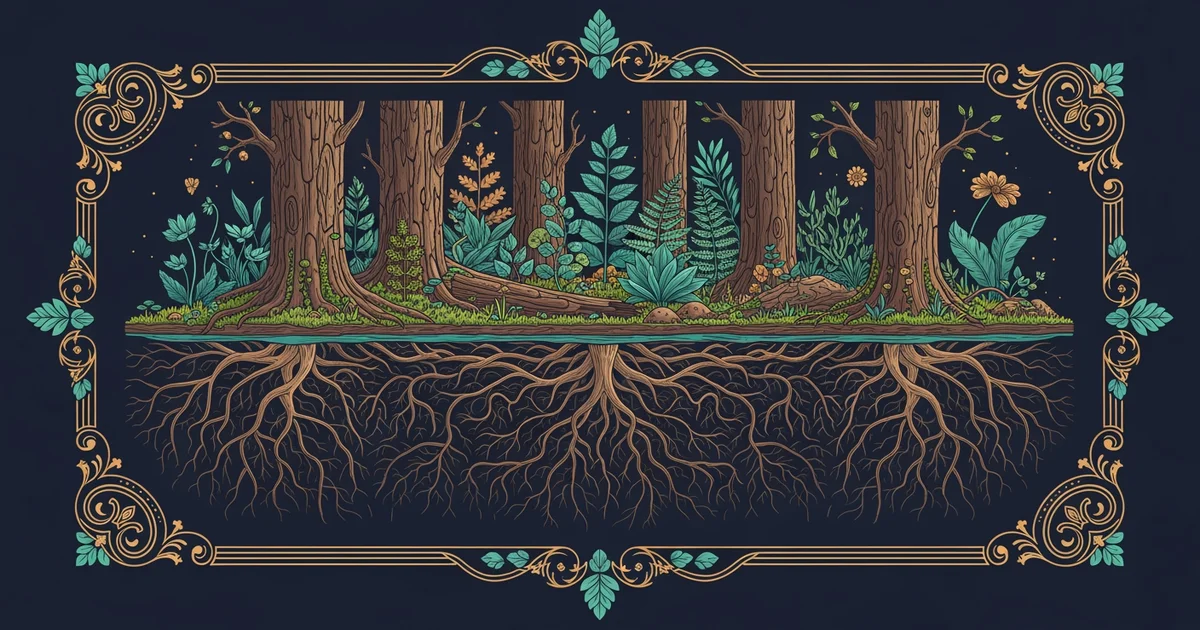
The Evolution of Land Management
Human history reveals a long transition from viewing nature as an endless warehouse to recognizing it as a fragile system. Early societies often viewed vast forests and rivers as infinite supplies that could never be depleted by human effort. As populations grew and technology improved, the speed of consumption began to outpace the ability of the land to recover naturally. This shift forced early thinkers to consider the long-term consequences of their actions on the environment. Stewardship emerged as a practical way to manage resources so that they would remain available for those who came later. Think of this like a household budget where you must save a portion of your income to cover future expenses instead of spending every single dollar today. Without this careful planning, the entire system eventually crashes under the weight of immediate demands.
Shifting Perspectives on Nature
Societies moved toward modern conservation as they realized that human survival depends on the health of the entire ecosystem. This change in thinking required people to see themselves as part of nature rather than masters of it. The following list highlights how our collective perspective on the natural world changed over several centuries:
- Early survival strategies focused on immediate extraction of resources like timber or game to ensure safety and comfort for the community.
- Scientific observation began to document how removing certain species could cause a chain reaction that harms the surrounding landscape and local water sources.
- Modern environmental policy emerged when nations recognized that clean air and healthy soil are public goods that require protection through organized laws and regulations.
These changes represent a growing maturity in how we treat the planet. We transitioned from impulsive taking to a model of responsible management that values stability over quick profit. This process was not always smooth or fast, but it reflects a deeper understanding of our role within the web of life. We now know that protecting a specific habitat is actually an investment in our own future security.
The Role of Ethical Responsibility
Ethical responsibility acts as the bridge between scientific discovery and actual change in our daily environmental habits. Once researchers proved that human actions directly influence the health of the planet, the conversation turned toward our moral duty to act. If we know that our choices cause damage, we are obligated to change those choices to prevent harm. This concept is similar to a business owner who chooses to pay for expensive waste filters because they care about the health of the local town. Even though the filters cost money, the long-term benefit of a healthy community is worth the investment. Stewardship essentially means accepting that we are caretakers of the earth rather than just consumers of its many gifts. This mindset shift is essential for any society that hopes to thrive across many generations.
Balancing Needs and Sustainability
Achieving a balance between human needs and environmental protection remains one of the most difficult challenges for modern science. We must find ways to produce food and energy without destroying the very systems that provide those essential resources. This requires constant innovation and a willingness to adapt our methods as we learn more about the planet. By focusing on sustainability, we ensure that the natural world can continue to support life for a very long time. It is not about stopping all human activity, but rather about performing that activity in a way that respects the limits of nature. We are learning to work with the natural cycles instead of fighting against them. This path leads to a future where both humans and the planet can coexist and flourish together.
True stewardship requires managing natural resources with the understanding that our current actions directly determine the survival of future ecological systems.
Now that we understand the history of our responsibility to the land, we will explore the intrinsic value of biodiversity in the next station.