
Final Synthesis of Knowledge
Imagine you are tracking a high-speed vehicle that suddenly stops and changes direction without any visible propulsion. This scenario represents the core mystery that scientists face when they study aerial objects that defy standard flight physics. These reports force us to rethink how we measure motion and energy in our atmosphere. By combining historical data with modern sensor readings, we can build a more rigorous approach to this complex field of study. We must move beyond simple observation to reach a deeper, more scientific understanding of these events.
Integrating Data and Methodology
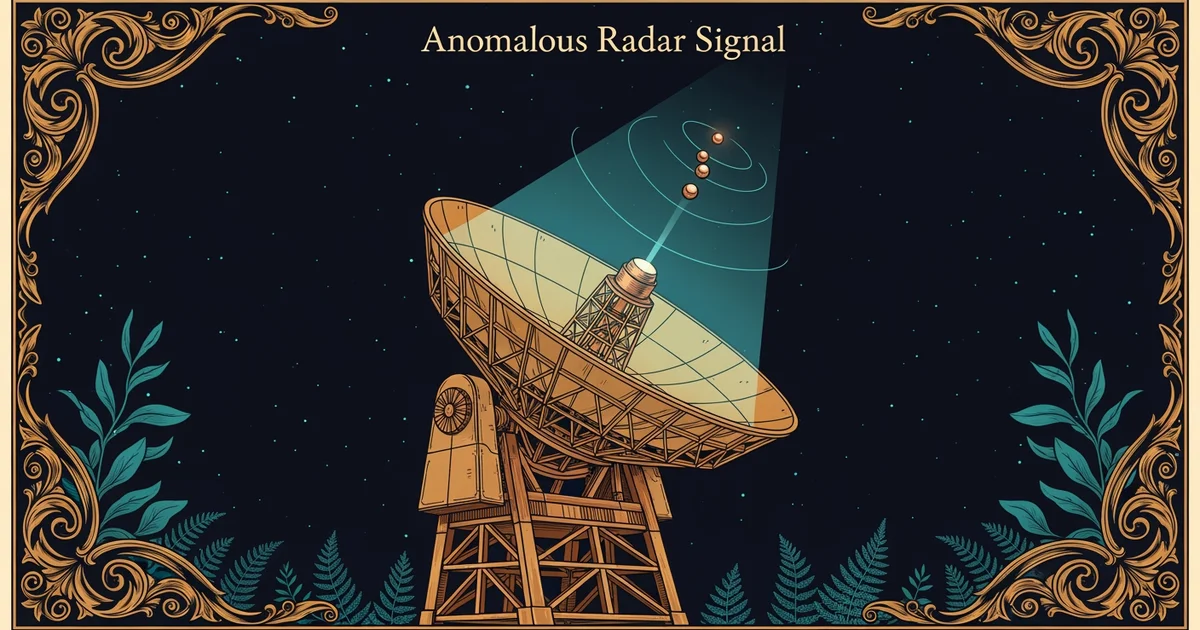
Scientific inquiry into these objects requires a synthesis of disparate data streams gathered over many years. Researchers now combine radar logs, infrared imagery, and pilot testimony to create a unified picture of an event. This integration allows experts to filter out common errors like weather balloons or optical illusions. We use a method similar to auditing a complex company budget where every single expense needs a verified source. Just as a financial expert checks multiple ledgers to find a hidden discrepancy, investigators cross-reference sensors to confirm an object is truly anomalous. This process ensures that we do not mistake sensor noise for physical reality.
Key term: Anomalous Aerial Phenomena — the formal label for objects that demonstrate flight characteristics that currently exceed our known aerospace technology.
Researchers often encounter a tension between the need for open data and the reality of national security protocols. Some of the best evidence remains locked away in classified archives, which prevents the global scientific community from conducting a full peer review. This lack of transparency slows progress because independent labs cannot test the data for themselves. We must find a balance between protecting sensitive technology and advancing human knowledge. When we share information across borders, we turn isolated sightings into a global database of patterns that reveal the nature of these objects.
Analyzing Movement and Physics
To understand these objects, we must look at how they interact with the laws of motion. Many reports describe instantaneous acceleration, where an object reaches extreme speeds without a gradual buildup of energy. In traditional aviation, a craft needs fuel and time to overcome inertia, but these objects seem to ignore those limits. If we observe an object moving at $10,000$ m/s without a sonic boom, we know our current models of aerodynamics are incomplete. This requires us to develop new physics frameworks that account for propulsion systems that do not rely on combustion or lift.
| Observation Type | Standard Aircraft | Anomalous Object | Physical Implication |
|---|---|---|---|
| Speed Change | Gradual | Instantaneous | Inertia violation |
| Propulsion | Visible exhaust | No exhaust | Unknown energy |
| Flight Path | Aerodynamic | Erratic | Anti-gravity usage |
This table highlights the gap between known technology and the sightings reported by trained pilots. We can see that standard aircraft follow predictable paths, while anomalous objects operate on a different logic. By categorizing these traits, we create a roadmap for future research that targets the most baffling behaviors first. This structured approach helps us isolate the specific physical anomalies that require the most attention. We are essentially building a diagnostic tool for the sky.
- First, we collect raw sensor data from multiple independent sources to ensure accuracy.
- Next, we apply known laws of physics to see if the object can be explained.
- Finally, we isolate the remaining cases that defy our current scientific models for study.
This systematic process allows us to separate genuine mysteries from simple misidentifications. By focusing on the residual data, we target the specific areas where our current knowledge fails to explain the physical world. This is how we push the boundaries of science forward, one observation at a time.
Scientific progress in this field depends on integrating multi-sensor data to isolate genuine physical anomalies from common misidentifications.
Understanding aerial phenomena involves rigorous data analysis that bridges the gap between known physics and unexplained flight behaviors.