
Future Retail Design
Imagine walking into a store where the walls shift color to match your current mood. Retail spaces are moving beyond simple shelves toward environments that sense your every movement and need. This evolution marks a major departure from the static layouts of the past decade. Designers now prioritize fluid, responsive spaces that adapt to the shopper in real time. We are witnessing a transition from passive showrooms into active, living ecosystems of commerce.
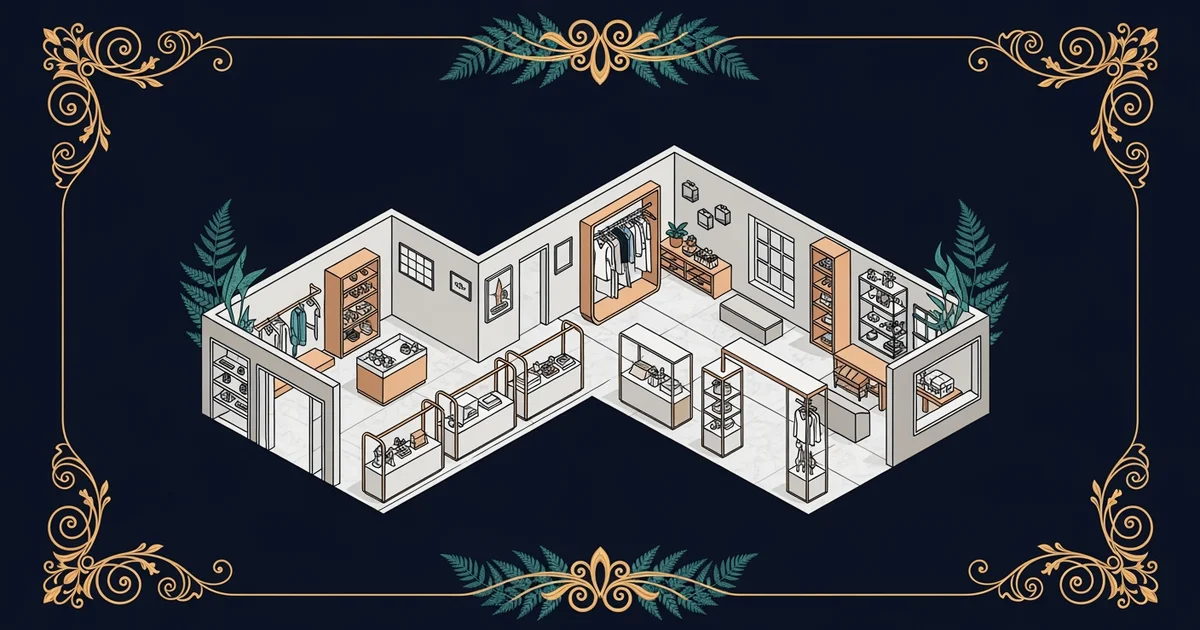
The Rise of Responsive Architecture
Modern retail design now incorporates ambient intelligence to create a seamless shopping experience for every visitor. This technology allows the physical store to collect data on customer preferences without requiring direct input. Think of this process like a skilled tailor who observes your posture to adjust a suit perfectly. The store observes your path to predict which items you might want to see next. By mapping these movements, brands can reorganize their floor space to highlight popular products instantly. This dynamic approach ensures that the layout remains relevant to the specific needs of the current crowd.
Key term: Ambient intelligence — the integration of digital sensors and smart systems into physical spaces to provide personalized customer interactions.
Designers utilize several core strategies to implement these responsive environments in high-traffic shopping zones. These methods help brands maintain a competitive edge while ensuring that the store feels fresh every single day:
- Modular fixtures allow staff to change the store layout in minutes rather than hours of labor.
- Haptic feedback surfaces provide sensory information to shoppers as they interact with different product displays.
- Predictive lighting systems shift intensity based on the dwell time of customers in specific store zones.
These physical changes depend on how well the store integrates its digital and analog elements together.
Integrating Digital Layers into Physical Spaces
Future retail design relies on the successful marriage of digital tools with traditional architecture to drive sales. This integration builds upon the layout audit strategies we explored earlier by adding a layer of agility. When a store uses data to track customer flow, it can identify bottlenecks that hinder the shopping process. You might find that a display intended to boost sales actually blocks the natural path of customers. By using digital overlays, designers can test new configurations without moving a single heavy display unit. This process of constant refinement turns the store into a laboratory for testing new consumer engagement methods.
| Design Element | Traditional Method | Future Method | Impact on Shopper |
|---|---|---|---|
| Store Layout | Fixed shelving | Modular zones | Higher flexibility |
| Information | Paper signs | Digital glass | Real-time updates |
| Interaction | Staff-led | Sensor-based | Private discovery |
This table illustrates how the shift toward technology changes the fundamental relationship between the brand and the shopper. By moving from fixed to modular designs, stores can respond to shifts in demand with speed and precision. The goal is to make the shopping journey feel intuitive rather than forced or confusing for the average person.
Future retail design is not just about fancy gadgets or bright lights in a dark room. It is about creating a space that respects the time and energy of the modern customer. As we look ahead, the most successful stores will be those that treat the building as a living, breathing entity. This approach ensures that the physical environment remains a powerful tool for driving engagement and building brand loyalty. The future of retail lies in the ability to adapt to the human experience as it unfolds inside the store.
Future retail design transforms static environments into dynamic spaces that learn from and adapt to the unique behaviors of every customer.
Understanding these architectural shifts allows you to predict how shopping habits will evolve in the coming years.