
Future Workspace Trends
Imagine your office desk sensing your stress levels and automatically adjusting the lighting or temperature to help you focus better. This vision of the future moves beyond static furniture toward a living, breathing environment that responds to your physical needs in real time. We are shifting from fixed spaces into fluid, adaptive systems that prioritize human comfort above traditional corporate aesthetics. By integrating advanced technology with human-centric design, architects now create spaces that actively support your mental clarity throughout the busy work day.
The Rise of Adaptive Environments
Future workspaces will rely heavily on biophilic design to bridge the gap between indoor monotony and natural stimulation. This approach incorporates living plants, natural sunlight, and organic textures to reduce the psychological fatigue often found in sterile office settings. Much like a high-performance athlete requires specific nutrition to sustain peak energy, your brain requires a varied sensory environment to maintain consistent productivity. When we integrate these natural elements, we lower cortisol levels and foster a sense of psychological safety that static cubicles simply cannot provide. This creates a foundation where employees feel connected to their surroundings rather than isolated by them.
Key term: Biophilic design — the practice of integrating natural elements like plants, light, and organic patterns into built environments to improve human well-being.
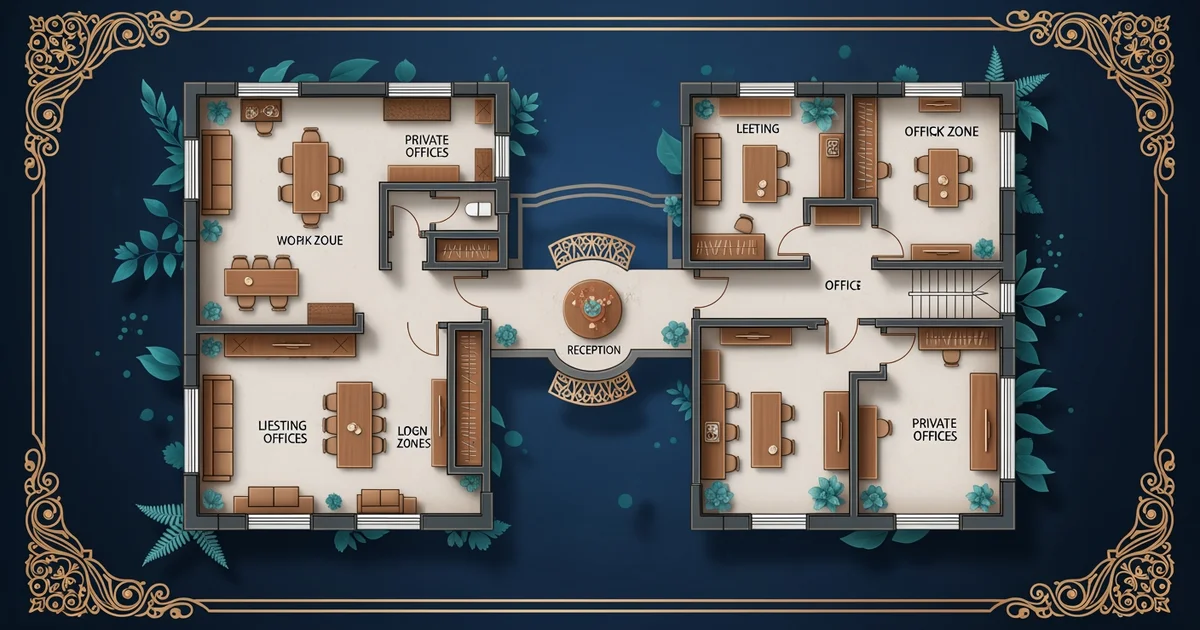
As we look ahead, the physical office must function as a service rather than just a destination for tasks. This evolution mirrors the transition from owning physical media to using subscription-based streaming services for our entertainment needs. You no longer need a permanent desk if your office provides a menu of spaces designed for specific tasks. Some areas might focus on deep concentration, while others encourage spontaneous collaboration through open, modular layouts. This flexibility allows the office to grow and shrink based on the daily requirements of the workforce.
Technology and Spatial Intelligence
Beyond aesthetics, the integration of smart infrastructure will dictate how we interact with our physical surroundings in the coming years. Sensors embedded in furniture and floors will track usage patterns, allowing facility managers to optimize heating, cooling, and lighting based on actual occupancy. This data-driven approach removes the guesswork from office management and ensures that energy resources are used only where people are present. Consider the following ways that smart technology will fundamentally alter our daily office experience:
- Automated climate control adjusts the air quality in meeting rooms when carbon dioxide levels rise during long team brainstorming sessions.
- Dynamic lighting systems mimic the natural progression of daylight to keep your circadian rhythm stable throughout the afternoon slump.
- Predictive maintenance alerts staff to broken equipment before it impacts your workflow or causes unnecessary frustration during a project.
These systems act as a silent partner in your productivity, removing friction from the physical environment. By automating the mundane aspects of office maintenance, companies can focus on creating spaces that inspire creativity and social connection. The goal is to make the office a tool that enhances your output rather than an obstacle you must navigate each morning. As we move away from the rigid structures of the past, we find that the most effective workspaces are those that change alongside the people who use them.
| Feature | Traditional Office | Future Workspace |
|---|---|---|
| Layout | Fixed cubicles | Modular zones |
| Lighting | Static overhead | Circadian-synced |
| Data | Manual checks | Sensor-driven |
This shift toward intelligent, adaptive design proves that our physical environment is not just a backdrop for work but a critical component of our professional success. By embracing these changes, we can turn the modern office into a space that truly supports both our output and our mental health. The future of design is about creating a dialogue between the user and the room.
Future workspace trends prioritize human-centric, adaptive environments that use sensor-driven technology to align the physical office with our biological and psychological needs.
Understanding how your workspace adapts to your needs is the first step toward reclaiming your productivity in any professional setting.