
The Modern Office Definition
Imagine you are trying to assemble a complex puzzle while someone constantly rearranges the table underneath your hands. This frustration is exactly how many employees feel when their office design ignores the basic needs of their daily work tasks. The modern office is no longer just a collection of desks and chairs arranged in neat rows. It has evolved into a strategic tool that shapes how people communicate, focus, and find comfort throughout the working day. Understanding this shift is essential for creating spaces that actually support the people who occupy them.
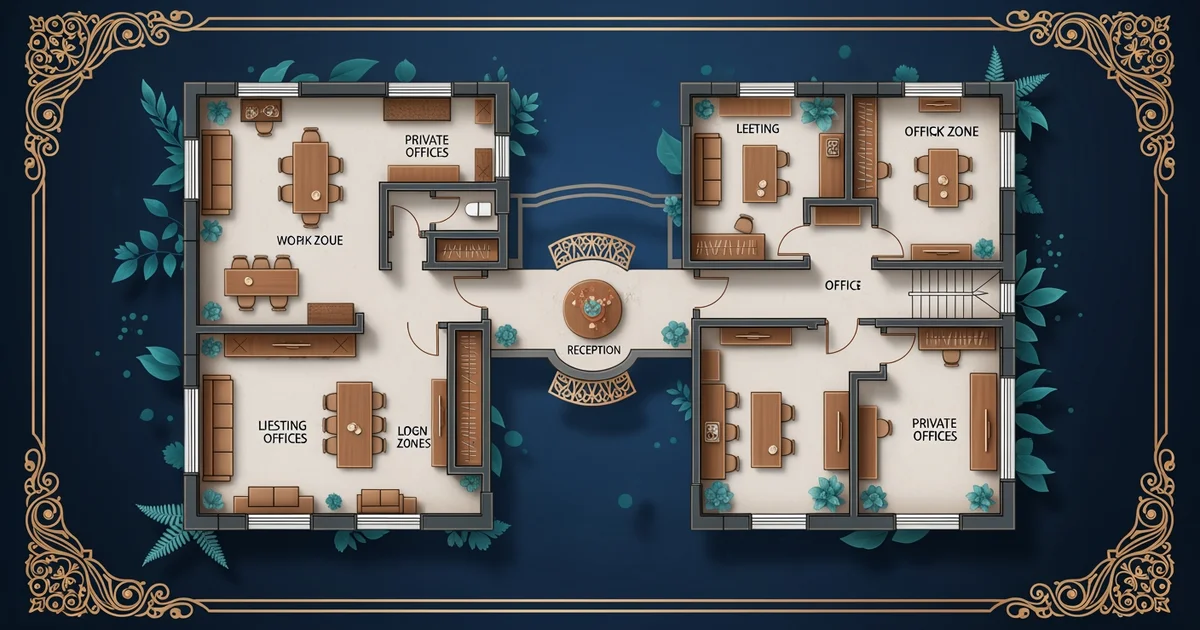
The Evolution of Spatial Utility
Traditional office layouts often prioritized density by packing as many workers as possible into a single floor. This approach treated the workspace like a factory floor where output was measured by simple physical presence. Modern design now views the office as a dynamic ecosystem that must balance high-intensity focus with casual social interaction. Think of this design shift like a well-planned kitchen where the stove, the sink, and the pantry are placed to save your energy. If the layout forces you to walk across the room for every single ingredient, your cooking process becomes slow and exhausting. A smart office layout minimizes these friction points to keep your mental energy focused on the actual work at hand.
Key term: Workplace ergonomics — the science of designing furniture and workspaces to fit the physical capabilities and limitations of the human body.
Effective office design relies on three core pillars that ensure the environment remains functional for a diverse range of professional activities. These requirements serve as the foundation for modern spatial planning:
- Acoustic management provides necessary sound barriers to prevent noise pollution from disrupting deep concentration while still allowing for natural team collaboration in shared zones.
- Adaptive furniture systems offer modular desks and chairs that adjust to individual body types, ensuring that physical fatigue does not interfere with daily mental performance.
- Environmental control manages lighting, temperature, and air quality to maintain a steady baseline of comfort that prevents the common distractions caused by extreme heat or dim light.
Balancing Interaction and Autonomy
Modern offices must provide a variety of settings to accommodate the different ways that people process information and solve problems. Providing only one type of desk layout is like giving a chef only one knife for every single task in the kitchen. You need a sharp blade for delicate chopping and a heavy cleaver for tough cuts, just as you need quiet corners for writing and open tables for team brainstorming. By offering diverse zones, the office allows workers to choose the environment that best matches their current task requirements.
| Workspace Type | Primary Activity | Design Priority |
|---|---|---|
| Focus Pods | Deep analytical work | Sound isolation |
| Team Tables | Collaborative brainstorming | Surface space |
| Social Hubs | Informal networking | Casual comfort |
When companies ignore these needs, they inadvertently create environments that drain energy rather than fueling it. A balanced office recognizes that humans require both social stimulation and periods of complete isolation to perform at their best level. If you force a collaborative team into total silence, you stifle their creativity and slow down the flow of new ideas. Conversely, if you force an analytical worker into a noisy open space, their ability to produce high-quality work suffers significantly. The goal is to provide a menu of options that empowers the worker to manage their own environment effectively throughout the day.
By intentionally designing these spaces, organizations signal that they value both the output of the individual and the collective health of the group. This intentionality reduces unnecessary stress and helps maintain a higher level of daily engagement across the entire staff. As we look closer at these designs, we must consider how the physical walls and furniture dictate our social behaviors and professional habits. The layout of your desk is not just a choice of decor, but a silent architect of your daily productivity and mental well-being.
Modern office design functions as a strategic ecosystem that balances individual focus needs with the collective requirements of a collaborative team.
Now that we understand the basic requirements of the modern workspace, we will explore how open floor plans influence the way teams interact and share information.