
Open Plan Office Dynamics
Imagine you are trying to study for a final exam while sitting in a busy coffee shop. The constant clatter of cups and the low hum of voices create a background layer that somehow helps you focus on your work. This experience mirrors the design of an open office, where physical walls are removed to encourage interaction and a shared sense of purpose among the team. By eliminating barriers, companies aim to foster spontaneous collaboration and keep employees connected to the broader goals of the organization without the physical constraints of traditional cubicles or closed doors.
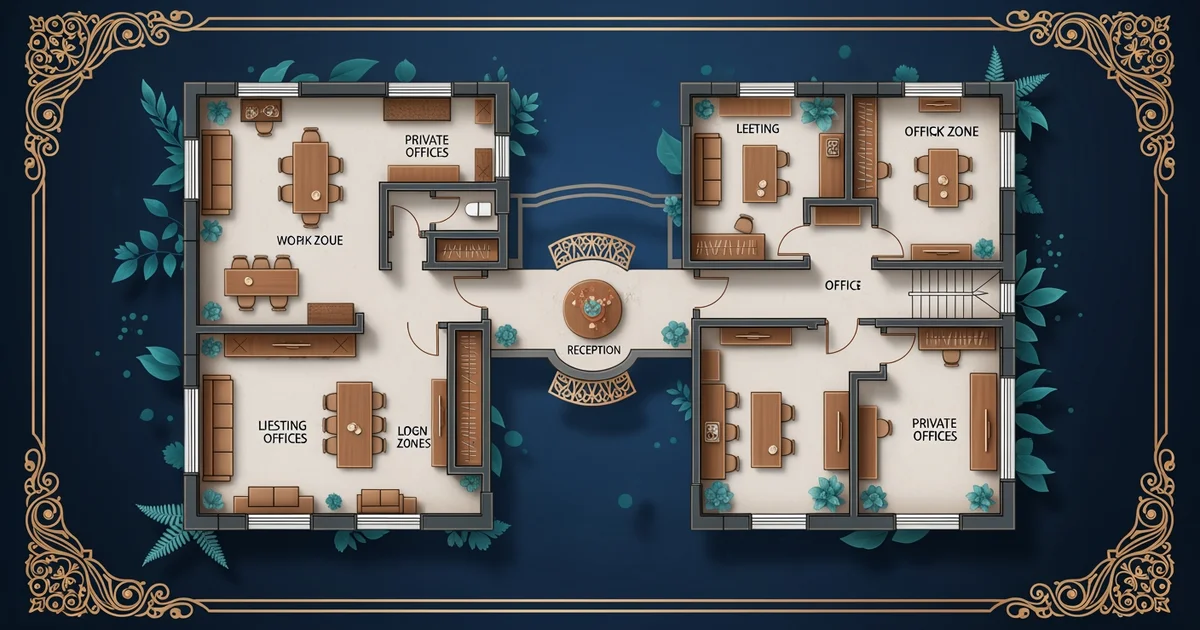
The Advantages of Shared Physical Space
When we remove walls, we create an environment where information flows more freely between team members throughout the day. This design choice, often called an open plan office, relies on the idea that proximity drives innovation and speeds up decision-making processes. Think of this layout like a bustling town square where citizens naturally bump into one another and exchange important news during their daily routines. In a structured office, this dynamic means that a quick question about a project can be answered in seconds rather than waiting for a scheduled meeting or an email reply.
Key term: Open plan office — a workspace design that removes physical barriers like walls or partitions to promote social interaction and information sharing.
This layout also helps to normalize the workflow by allowing team members to observe how others manage their tasks effectively. When you see your colleagues working through challenges, you gain a better understanding of their roles and the specific pressures they face. This level of transparency builds trust and creates a stronger sense of unity across different departments that might otherwise remain isolated from one another. By sharing a common space, the team feels more like a single unit working toward a shared outcome rather than separate individuals working in silos.
Maximizing Interaction Through Design
Beyond simple visibility, the physical arrangement of desks plays a critical role in how people choose to engage with their peers. When teams are grouped by project rather than by department, the speed of communication increases significantly because the most relevant people are always within reach. This setup encourages a natural rhythm of interaction that feels less like a formal requirement and more like a helpful part of the work day. The following table highlights the primary benefits that organizations expect when they choose to implement this specific style of office design:
| Benefit Type | Description of Impact | Expected Outcome |
|---|---|---|
| Communication | Faster access to peers | Reduced project delays |
| Collaboration | Spontaneous problem solving | Better team innovation |
| Transparency | Visible work processes | Increased group trust |
Organizations often find that the removal of physical boundaries leads to several measurable improvements in how their teams function on a daily basis:
- Enhanced social cohesion occurs when team members interact frequently in an informal setting, which strengthens interpersonal relationships and reduces the social friction that often happens in more rigid, separated office environments.
- Increased knowledge transfer happens because junior staff members can overhear discussions among senior leaders, providing them with valuable context and professional insight that would otherwise remain hidden behind closed doors.
- Improved space efficiency allows companies to accommodate more staff members within the same square footage, which is a practical economic advantage for growing businesses that need to manage their overhead costs.
By carefully managing the density of these spaces, companies can balance the need for social interaction with the need for a professional atmosphere. The goal is to create a space that feels open enough to be inviting but structured enough to ensure that the primary work objectives remain the main focus of the day. As we evaluate these benefits, it becomes clear that the physical environment is not just a place to sit, but a tool that actively shapes how we communicate and perform our duties.
Physical workspace design acts as a catalyst for team connectivity by removing structural barriers to spontaneous communication and collective problem solving.
The next Station introduces private workspace needs, which determines how personal focus time can be balanced within the broader open plan office framework.