
Comprehensive Office Audit
Walking into a workspace that feels cluttered or disorganized often leads to an immediate drop in focus. You might notice that your physical surroundings dictate your mental clarity more than you ever realized.
Assessing Physical Workspace Efficiency
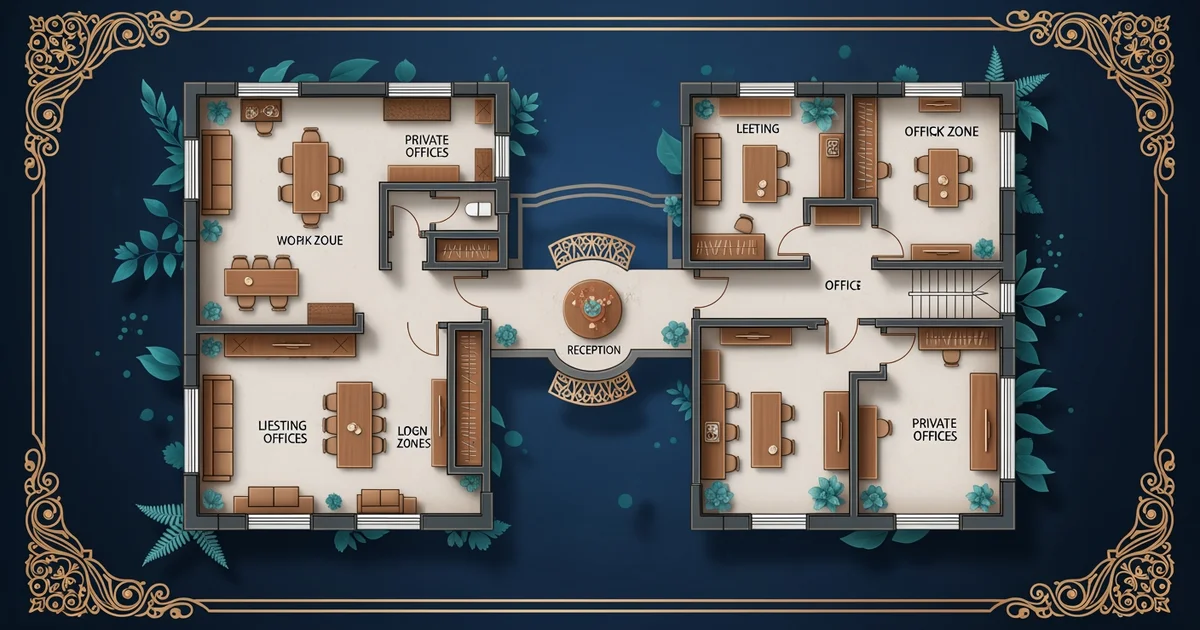
Conducting a comprehensive office audit serves as a vital step in optimizing how your team interacts with their daily environment. Think of this process like performing a routine maintenance check on a high-performance vehicle to ensure every part functions at its peak. You must first observe how people move through the space while noting any bottlenecks that hinder their natural workflow. An effective audit requires you to look beyond the surface level of tidiness to identify deeper design flaws. You should document where team members struggle to reach necessary tools or where lighting creates uncomfortable glare on computer monitors. By gathering this data, you establish a baseline for understanding how the current layout impacts overall output and personal comfort levels.
Key term: Comprehensive office audit — a systematic review of physical workspace elements to identify design inefficiencies that negatively impact employee productivity and well-being.
Once you gather initial observations, you must analyze the relationship between furniture placement and task completion. Many offices suffer from poor traffic flow, which forces employees to navigate around obstacles just to reach shared resources. This constant movement acts as a tax on their cognitive energy throughout the day. You should evaluate whether the current desk arrangements support the specific types of work performed by your staff members. For instance, teams that require frequent collaboration need open zones, while those needing deep focus require quiet, secluded areas. Balancing these needs prevents the friction that arises when conflicting work styles share the same cramped physical territory.
| Audit Category | Primary Focus Area | Success Metric |
|---|---|---|
| Ergonomics | Support and comfort | Reduced physical strain |
| Traffic Flow | Movement efficiency | Faster task transitions |
| Lighting | Visibility quality | Lower eye fatigue |
Integrating Design Elements for Success
After evaluating the physical layout, you must consider how earlier concepts like safety codes and accessibility standards influence your design choices. A space that meets legal requirements but fails to provide intuitive navigation will still frustrate users every single day. You need to ensure that your audit highlights where these regulatory standards might conflict with the practical needs of your daily operations. For example, a wide hallway required for emergency egress should also serve as a functional path that encourages natural interaction between different departments. This synthesis of strict compliance and user-centered design creates a workspace that feels both safe and incredibly welcoming for everyone involved.
When you review the results of your audit, you should categorize your findings into three distinct priority levels to guide your future improvements:
- Critical safety hazards require immediate attention to protect the physical well-being of all employees in the space.
- Workflow bottlenecks demand moderate planning to improve how teams move and share resources during their busy hours.
- Comfort enhancements represent long-term goals for boosting overall morale and sustaining energy levels through better lighting or seating.
By addressing these priorities in a structured manner, you transform a disorganized office into a high-functioning asset for your business. This process forces you to ask how the physical environment acts as a silent partner in every project your team attempts to complete. If the space works against the user, productivity will inevitably suffer regardless of how talented the individuals are. You must remember that an audit is not a one-time event but a continuous cycle of improvement. As your team grows or their tasks evolve, the office must adapt to support those new requirements effectively. This ongoing commitment to design excellence ensures that the physical environment remains a catalyst for success rather than a hidden obstacle.
A successful office audit aligns the physical layout with human needs to ensure the workspace actively supports rather than hinders daily productivity.
Future workspace trends will build upon these audit findings to create even more flexible and responsive environments for modern teams.