
Ethical Preservation Debates
Imagine you must decide whether to tear down a crumbling, historic schoolhouse to build a modern, energy-efficient community center. This choice highlights the deep tension between honoring our past and meeting the urgent needs of our present world.
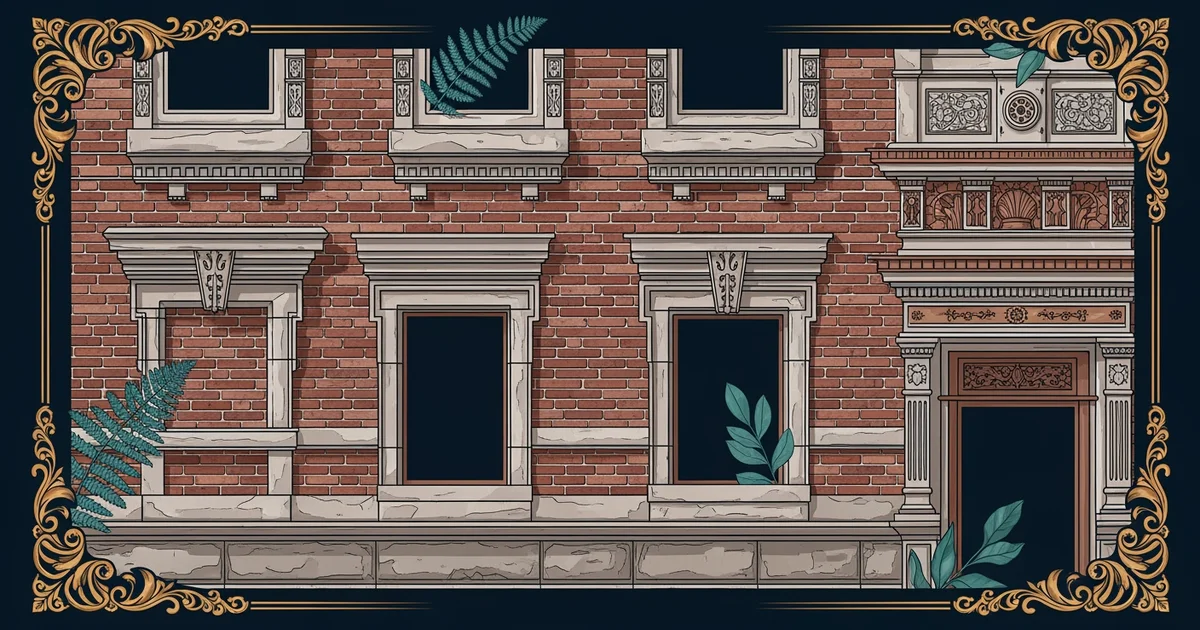
The Conflict of Values in Heritage Management
Preservationists often argue that old buildings serve as physical anchors for our collective memory and identity. When we erase these structures, we risk losing the tangible stories that define our unique local heritage. However, urban planners frequently point out that historic buildings can be incredibly inefficient, expensive to maintain, and poorly suited for modern accessibility requirements. This creates a difficult trade-off where the desire to keep history alive clashes with the need for functional, sustainable infrastructure. Think of it like deciding whether to keep a vintage car that requires constant, costly repairs or buying a new, reliable vehicle that gets better gas mileage. Both options have clear benefits, yet they serve entirely different goals for the owner.
Key term: Adaptive reuse — the process of repurposing an existing building for a use other than that for which it was originally built.
We must consider how these choices impact our communities over the long term. If we prioritize only the newest, most efficient designs, our cities might become sterile and disconnected from their roots. Conversely, if we freeze every old building in time, we might stifle economic growth and prevent the creation of spaces that people actually need today. This tug-of-war shows why site management planning is so essential to navigate these competing interests. We need to balance the cultural value of the past with the practical demands of our current, evolving society.
Ethical Dilemmas in Development Decisions
When communities face these preservation debates, they often weigh several competing priorities to reach a final consensus. These priorities often shift based on the specific needs of the local population and the condition of the structure in question.
| Priority | Focus Area | Primary Goal |
|---|---|---|
| Cultural | Heritage value | Keeping historical stories alive |
| Economic | Cost efficiency | Reducing long-term maintenance costs |
| Social | Community needs | Providing functional modern public space |
Deciding which priority takes precedence requires a transparent and inclusive process that listens to all stakeholders involved. For instance, some residents might value a building for its architectural beauty, while others might view it as a wasted space that could house a new clinic or school. This illustrates the core dilemma of modern preservation: how do we honor the past without becoming prisoners to it?
We can look at the following factors to guide these difficult development decisions:
- The historical significance of the site helps determine if the structure holds enough cultural weight to justify the high costs of restoration.
- The structural integrity of the building indicates whether it can safely support new uses or if it has reached the end of its life.
- The long-term environmental impact of the project forces us to compare the carbon cost of new construction against the energy efficiency of retrofitting old walls.
By examining these factors, we move beyond simple nostalgia and engage with the reality of building a sustainable future. We must ask ourselves if the preservation of a specific site truly benefits the community or if it merely serves as an aesthetic choice for a few. This critical thinking helps us avoid the traps of blind sentimentality while ensuring we do not destroy our history for short-term gains.
True preservation requires us to balance the tangible value of our history with the functional requirements of our living, changing communities.
Now that we understand the ethical tensions in preservation, we will explore how emerging technologies and design trends will shape the future of our built environment.